Mexico Right Now
Revolution Day
Interest in travel to Mexico rose 7% from a year ago, suggesting demand is growing.
When to go to Mexico
November to April are the best months across most of the country, dry and sunny from the highlands to both coasts. June to September is the rainy season, mostly afternoon storms, and hurricanes are most likely from August to October on the Caribbean and in September and October on the Pacific. April and May bring the worst heat to Yucatán.
Best monthsAvoid
| Region | Jan | Feb | Mar | Apr | May | Jun | Jul | Aug | Sep | Oct | Nov | Dec |
|---|---|---|---|---|---|---|---|---|---|---|---|---|
| Mexico City | Best month22°2 rainy days | Best month24°1 rainy days | Best month26°2 rainy days | Best month28°4 rainy days | Fine27°8 rainy days | Fine26°13 rainy days | Avoid25°18 rainy days | Avoid25°17 rainy days | Fine24°14 rainy days | Best month23°7 rainy days | Best month23°2 rainy days | Best month22°1 rainy days |
| Cancún | Best month29°8 rainy days | Best month30°5 rainy days | Best month32°4 rainy days | Best month33°3 rainy days | Fine34°6 rainy days | Fine34°9 rainy days | Fine35°7 rainy days | Fine35°9 rainy days | Avoid34°12 rainy days | Avoid32°14 rainy days | Fine30°10 rainy days | Best month29°8 rainy days |
| Puerto Vallarta | Best month27°2 rainy days | Best month27°1 rainy days | Best month27°1 rainy days | Best month28°1 rainy days | Fine30°2 rainy days | Fine30°13 rainy days | Fine31°18 rainy days | Avoid32°19 rainy days | Avoid31°19 rainy days | Fine31°9 rainy days | Best month30°2 rainy days | Best month27°1 rainy days |
| Mérida | Best month30°3 rainy days | Best month32°2 rainy days | Fine33°2 rainy days | Avoid35°2 rainy days | Avoid36°4 rainy days | Fine35°10 rainy days | Fine35°10 rainy days | Fine35°11 rainy days | Fine34°12 rainy days | Fine33°10 rainy days | Best month31°5 rainy days | Best month30°3 rainy days |
Each month shows the average daily high, and a weather icon with the number of rainy days.
Need to Know
- Population
- 130,900,000 INEGI (National Institute of Statistics and Geography) · 2025 Intercensal Survey
- International visitors
- 21,322,357 (2025) +4.0% YoY Unidad de Política Migratoria (SEGOB), Boletín Estadístico, Cuadro 1.4: entries of foreigners by air, by country of residence, excluding foreigners resident in Mexico. Counts entries, not people, and leaves out land arrivals and cruise passengers. · Last updated: 2026
- Annual visitors per resident
- 0.16× Annual international visitors divided by the population
Top visitor markets
- United States 66.9%
- Canada 13.3%
- United Kingdom 2.1%
- Colombia 2.0%
- Argentina 1.6%



Show fewer Show 5 more
- Spain 1.5%
- France 1.2%
- Germany 1.1%
- Costa Rica 0.9%
- Chile 0.9%



Source: Unidad de Política Migratoria (SEGOB): air arrivals of foreigners by country of residence, excluding residents of Mexico · 2025
Annual visitor arrivals
- 2019 18,464,809
- 2020 7,704,511 COVID
- 2021 13,717,090 COVID
- 2022 20,030,046
- 2023 19,443,658 -2.9%
- 2024 20,502,410 +5.4%
- 2025 21,322,357 +4.0%
International visitor arrivals. COVID years (2020-2021) are included for completeness. Source: Unidad de Política Migratoria (SEGOB), Boletín Estadístico, Cuadro 1.4: entries of foreigners by air, by country of residence, excluding foreigners resident in Mexico. Counts entries, not people, and leaves out land arrivals and cruise passengers. · Last updated: 2026
- Currency
- Mexican Peso (MXN)
- Language
- Spanish. English is common in Cancún, Los Cabos and Puerto Vallarta hotels and restaurants, much less so elsewhere.
- Tap water
- Not safe to drink
- Time zone
- GMT-6 in Mexico City and Puerto Vallarta, GMT-5 in Cancún and the rest of Quintana Roo, GMT-7 in Los Cabos. No daylight saving time except in border cities.
- Power plug
- Type A / B, 127V
- Dialing code
- +52
- Driving side
- Right
- Tipping
- Expected: 10 to 15% in sit-down restaurants, small change for baggage help, and a few pesos for gas station attendants and supermarket baggers.
- Internet
- Fast 4G and 5G in the cities and along the main highways, patchy in the mountains and on rural roads. Fiber Wi-Fi is standard in hotels and cafes in the big cities.
- Emergency
- 911 (Police, ambulance and fire), 078 (Ángeles Verdes roadside and tourist assistance), 089 (anonymous crime report)
When not to go
-
Hurricane season on both coasts
Aug to Oct · peaks in SepThe Atlantic season runs June to November and hits the Caribbean coast hardest from August to October. On the Pacific, Puerto Vallarta and Los Cabos are most at risk in September and October. A direct hit is rare in any one year, but a storm passing offshore still brings days of rain, closed ports and canceled flights. Cancún is also at its wettest in October.
Go here instead:
- Portugal The Algarve is dry and warm in September and October.
-
Semana Santa and the Christmas holidays
Mar or Apr · late Dec to early JanSemana Santa (Holy Week) moves with Easter and falls in March or April, and with the Christmas and New Year weeks it is when Mexican families head to the beach. Resort prices peak, first-class buses and domestic flights sell out, and Acapulco, Puerto Vallarta and the Caribbean beaches fill up. Mexico City empties out and is pleasant to visit.
-
Spring heat in Yucatán
Apr to MayBefore the rains arrive, Mérida reaches about 36°C (97°F) most afternoons and the ruins at Uxmal and Chichén Itzá have little shade. Sightseeing is only comfortable early in the morning. Mexico City is warm and dry then, but hot, still days can bring ozone alerts and driving restrictions.
Upcoming Holidays
Public holidays & observances, next 12 months
Mexico Visa & Entry
- Visa type
- No visa needed for US, UK, Canadian, Australian and EU passports. You get a visitor's permit (FMM) on arrival.
- Length of stay
- Up to 180 days, but the immigration officer decides how many and writes the number on your entry stamp or digital FMM. In 2026 many travelers report getting 30 days or less, so check the number before you leave the desk.
- Extension
- Not possible. A tourist permit cannot be extended or renewed inside Mexico; to stay longer you leave and come back, or apply for residency at a Mexican consulate abroad.
- Passport validity
- Valid for your whole stay.
- Onward ticket
- Officers can ask for a return or onward ticket, proof of where you are staying and proof of funds, and often give fewer days to people who cannot show them.
- Tourist tax
- The non-resident fee (DNR) is MXN 983 in 2026 and is normally included in your airfare. Quintana Roo (Cancún, Tulum, Playa del Carmen) adds its own VISITAX of about MXN 290, paid online before you fly home.
- Eligible nationalities
- US, UK, Canada, Australia, New Zealand, Japan, all EU countries and most of Latin America enter visa-free as tourists.
- Entry process
-
Immigration and entry process
At most big airports the paper tourist card is gone: immigration records your entry digitally, and some airports have e-gates for adults. Arriving by land, you fill in the digital FMM online.
The officer can ask about your plans, return flight and hotel, and then sets the days you get. If you use an e-gate, keep the printed ticket for departure. You can download proof of entry and your permitted stay from the INM (National Migration Institute) website. Overstaying means a fine when you leave.
Getting To Mexico
-
From Mexico City International (MEX)
Inside the city, about 5 km east of the Centro and 30 to 60 minutes from Roma and Condesa
Most long-haul flights land at Benito Juárez, which has two terminals linked by a free airport train. Buy a prepaid taxi at an official booth inside the terminal or take the Metrobús. Uber and DiDi drivers cannot pick up inside the airport zone, so app rides start from marked bays outside it.
-
From Cancún International (CUN)
About 20 km south of downtown Cancún and the gateway to the whole Caribbean coast
Mexico's busiest airport for foreign visitors. ADO buses leave from outside Terminals 2, 3 and 4 for downtown Cancún, Playa del Carmen and Tulum. There is no public bus to the Hotel Zone, so most people take a taxi or a pre-booked shuttle. The Tren Maya station is a short free shuttle ride from the terminals.
-
From Puerto Vallarta International (PVR)
On the north edge of town, 15 to 30 minutes from the Centro and the Zona Romántica
Taxis inside the terminal are federal airport taxis with fixed zone prices. Cross the pedestrian bridge over the highway and city taxis and Uber cost much less. Local buses into town stop on the same highway.
-
From Guadalajara International (GDL)
About 20 km south of central Guadalajara, with direct flights from the US
Guadalajara is Mexico's third-busiest airport and the usual way into Jalisco and Lake Chapala. Ride-hailing cars cannot enter the terminal area: order your Uber, DiDi or inDrive, then take the free electric shuttle to the app pickup lot.
Safety Advice
Safety depends on the state. Mexico City, Yucatán, Oaxaca City and the big beach resorts see little crime aimed at visitors, while cartel violence is concentrated in states such as Sinaloa, Guerrero and Michoacán. The everyday risks are pickpockets, drink spiking and taxis hailed on the street, so book rides through an app or a taxi rank.
Travel Advisories
Natural disasters
- Hurricanes occur from June to November on both coasts, bringing floods and landslides.
- Earthquakes strike regularly, particularly in Oaxaca and Guerrero.
- Active volcanoes like Popocatepetl and Colima pose risks of ash fall and exclusion zones.
Health & vaccinations
- Drink spiking and methanol in tainted alcohol cause serious illness and death.
- Traditional hallucinogenic retreats involve unregulated drugs, lack medical access, and carry risks of assault.
Unrest & security
- Drug cartel violence creates risks of crossfire and extortion in various regions.
- Street crime, pickpocketing, and express kidnappings target tourists in cities and resorts.
- Political protests occur frequently and can turn confrontational or violent.
Transport & infrastructure
- Only use licensed taxis or rideshare apps like Uber, and avoid hailing cabs on the street.
- Stick to toll roads and avoid driving between cities after dark to minimize carjacking risks.
- Carry your physical passport and entry stamp at all times to avoid detention by police.
Other notes
Importing, buying, or using e-cigarettes and vaping devices is illegal and leads to confiscation or fines.
Always check your own government's official travel advice before traveling.
Money & Payments
Cards work in hotels, chains and most restaurants in the cities. Carry pesos for markets, street food, buses and small towns, and always pay in pesos, not your home currency.
-
Cards in the cities, cash everywhere else
Visa and Mastercard are taken in hotels, supermarkets, OXXO convenience stores and most restaurants in the big cities. Markets, street stalls, colectivos (shared minibuses) and many small-town restaurants are cash only, and small shops often cannot break a MXN 500 note.
-
Pick the ATM by its fee
The screen shows the bank's fee before you confirm, and it varies a lot: from about MXN 35 at Santander to nearly MXN 200 at BBVA, plus whatever your own bank charges. Use machines inside bank branches or shopping malls rather than standalone ones on the street.
-
Always pay in pesos
Card terminals and ATMs often offer to charge you in your home currency. Decline and choose pesos (MXN): the home-currency option uses a worse exchange rate. Prices shown with a $ sign are pesos unless they say USD.
-
Top up and pay bills at OXXO
OXXO convenience stores, on almost every corner, sell phone top-ups and take cash for many bills and online orders. Paying cash for a bus ticket or an online purchase at OXXO is common.
-
Tourist VAT refund exists but is unreliable
Foreign visitors leaving by air or sea can claim back the 16% VAT on purchases of MXN 1,200 or more per store, paid by card, with the store's official electronic invoice (CFDI). Few shops take part and refunds are often slow, so do not count on it.
Costs in Mexico
Food, buses and mid-range hotels cost far less than in the US or Canada, and less again away from the resorts. Cancún's Hotel Zone, Tulum and Los Cabos charge close to US resort prices, and domestic flights and first-class buses add up on a long trip.
Groceries and fuel
Send money to Mexico
Compare Providers









Save money?
Sign up for our guide on how to save money on your next trip.
SIM Cards & Data
Best option for most travelers: an eSIM you set up before you arrive. You'll be online the moment you land, with no airport line and no tourist pricing.
Travel eSIMs Connect the second you land. Zero hassle. Skip the airport line and paperwork. Activate before you fly and land connected. Find the best eSIM →Prefer a local SIM?
4G and 5G cover the cities, the resorts and the main highways. Coverage drops in the mountains and on long rural roads. Every mobile line in Mexico, including a tourist's, must now be registered to its owner: foreigners link the line to their passport in a carrier store or online, and an unregistered line is cut off except for emergency calls. Prices below are for prepaid plans and change often.
-
Telcel
Largest network
Telcel has the widest coverage, especially outside the cities, and its prepaid Amigo Sin Límite plans include calls and social media use in Mexico, the US and Canada. Buy a SIM at a Telcel store, where staff can also register it to your passport.
30 days, 3.5 GB: MXN 200
-
AT&T
Second-largest network
AT&T gives more data for the money than Telcel and works well in the cities and resorts. Coverage thins out faster in the countryside.
30 days, 18 GB: about MXN 300
-
Bait
Cheapest data
Walmart's mobile brand, sold at Walmart and Bodega Aurrera stores. Good value for a month in a city; weaker outside urban areas.
30 days, 12 GB: MXN 200
Liveability
Mexico City, Guadalajara and Mérida have fiber internet and good private hospitals. Few people drink the tap water, so homes buy it in 20-liter jugs, and sidewalks are uneven even in wealthy neighborhoods.
Sustainability
Mexico City pumps so much water from its aquifer that parts of the city are sinking, and Monterrey has had taps run dry in drought years. On the Caribbean coast, sargassum seaweed piles up on the beaches in summer, and new hotels keep going up around Tulum.
Frequently Asked Questions
Planning & moving around
-
How long should I spend in Mexico?
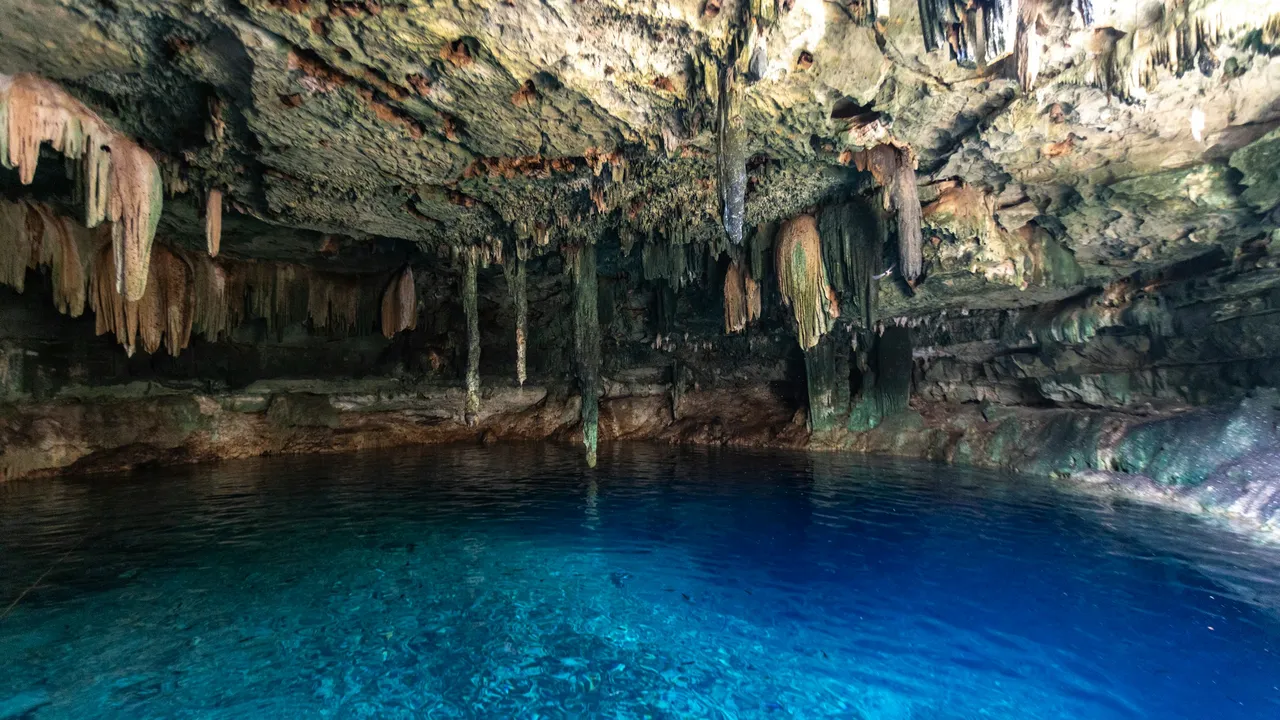
A week covers Mexico City and a side trip to Puebla or Teotihuacan, or the Caribbean coast from Cancún to Tulum. With two weeks, add Oaxaca or a loop through Mérida and the Yucatán's ruins and cenotes (natural sinkhole pools). Distances are long, so fly between regions rather than taking buses.
-
How long can I stay in Mexico as a tourist?
Up to 180 days, but the immigration officer decides and writes the number on your entry record. Many travelers now get 30 days or less. Bring a return ticket and your hotel booking, and check the days you were given before you leave the desk. Tourist permits cannot be extended inside Mexico.
-
What are the most used ride-hailing apps in Mexico?
Uber and DiDi work in every big city and are the usual way to get around Mexico City, Guadalajara and Monterrey. inDrive, where you name a price and drivers accept or counter, is also common. Airports restrict pickups: in Mexico City and Guadalajara you walk or take a shuttle to a separate app pickup area, and in Cancún and Los Cabos licensed taxis and shuttles do most of the work.
-
Where should I stay in Mexico City?
Roma Norte and Condesa for leafy streets, cafes and walking, Polanco for upscale hotels near Chapultepec Park, and the Centro Histórico for museums and the cathedral, though it is quiet at night. Coyoacán is greener and calmer but farther from everything else.
Safety & medical
-
Is Mexico safe for travelers?
It depends on the state. Mexico City, Yucatán, Oaxaca City, San Miguel de Allende and the main beach resorts see little crime aimed at tourists, and millions of visitors go every year without trouble. The violence in the news is concentrated in states such as Sinaloa, Guerrero, Michoacán and Tamaulipas, which the US rates Do Not Travel. Use ride-hailing apps or taxi ranks rather than hailing cabs on the street, and watch your drink in nightlife areas.
-
What numbers do I call in an emergency in Mexico?
Dial 911 for the police, an ambulance or the fire service. It works from any phone. On the highways, call 078 for the Ángeles Verdes (Green Angels), the government's free roadside assistance trucks, which also help tourists. To report a crime anonymously, call 089.
Money & costs
-
Do you tip in Mexico?
Yes. Leave 10 to 15% in sit-down restaurants, and check the bill first, since some tourist restaurants add a service charge. Give a few pesos to gas station attendants, supermarket baggers and hotel porters. Taxi drivers do not expect a tip.
-
Is Mexico expensive?
It costs much less than the US or Canada for food, buses and mid-range hotels, and less again away from the coast. The exceptions are Cancún's Hotel Zone, Tulum and Los Cabos, where resort hotels charge close to what they would in the US. The Costs in Mexico section on this page lists each price with its source.
-
Is Mexico a good place to retire?
Many North Americans retire here. Retirees usually apply for temporary residence at a Mexican consulate before they travel. Each consulate sets its own income test, which is typically around USD 4,000 to 4,500 a month in pension income, or a savings balance of about USD 70,000 or more held for a year. After four years as a temporary resident you can apply for permanent residence. Residents are taxed on worldwide income, though under the US treaty US Social Security is taxed only by the US. Private hospitals in the big cities are good and cost far less than in the US; public care through IMSS is cheap but slow.
Culture & etiquette
-
Do I need to speak Spanish?
Not in Cancún, Los Cabos or the big hotels, where staff speak English. Elsewhere, a few phrases go a long way, and taxi drivers, market vendors and small restaurants rarely speak English. A translation app covers the gaps.
Families & kids
-
Is Mexico good for kids?
Yes. Families are welcome in restaurants late into the evening, and the beaches, cenotes and pyramids hold children's attention. Watch for strong sun, uneven sidewalks that make strollers hard work, and rough surf on some Pacific beaches.