
Chiang Mai Right Now
Flash flood risk is elevated across Northern Thailand, including Chiang Mai, due to ongoing heavy rainfall. River levels are being monitored, and landslides are a risk in foothill areas.
MEAN: TO YOU TOUR 2026 · MUAN MORE SPACE, Chiang Mai
Bangkok Airways Chiang Mai Half Marathon 2026 · Royal Park Rajapruek, Chiang Mai
Interest in travel to Chiang Mai rose 5% from a year ago, suggesting demand is growing.
Best time to visit Chiang Mai
Not the best time to visitMonsoon season
Expect warm, humid weather with frequent rain showers, though crowds are generally lighter this month. Pack waterproofs and be aware of potential flooding in low-lying areas after heavy downpours.
SCORE BY MONTH
November to February is cool, dry and clear, and it is why most people come then. The burning season builds from late February through April, when smoke from field fires pushes air quality into unhealthy territory for weeks and hides the mountains completely. The rains run May to October. December and January are the busiest.
Visitor data: Thailand Ministry of Tourism and Sports, monthly guest arrivals, Thai and foreign (2024-2025 average)
Day-to-day in Chiang Mai
Walkability
50/100
Walking in Chiang Mai's core tourist zones means contending with inconsistent sidewalks and a high volume of motorbikes. While essential amenities are often reachable on foot, crossing streets requires significant caution due to driver behavior.
Sidewalks are often narrow, discontinuous, and frequently obstructed by motorbikes, vendors, and uneven surfaces.
Most essential services like food, groceries, and cafes are within a 15-minute walk in the Old City and Nimmanhaemin areas.
Motorbike density is high, drivers often disregard pedestrians, and safe crossing points are scarce, making walking near roads precarious.
Climate works against walking for much of the year. Plan around weather windows.
-
Monthly cost
$1,030 / month
AFFORDABLESolo mid-range stay including rent, daily eating out, groceries, and routine costs.
-
MUAY THAI
Serious Muay Thai training is everywhere, not just tourist classes. Gyms like Dang Muay Thai and Santai offer authentic instruction for all levels.
-
Coworking
$127 / month
VERY AFFORDABLEChiang Mai has a huge coworking scene, especially in Nimman and the Old City. There are over a dozen dedicated spaces, plus many work-friendly cafes.
-
Gym
$37 / month
VERY AFFORDABLEGym memberships are fair at $44/month. You'll find commercial chains and old-school bodybuilding gyms, with good options in Nimman and near the Old City.
Need to Know
- Population
- 1,799,000 DOPA · 2024 (registered)
- Currency
- Thai Baht (THB)
- Language
- Thai, English common in tourist hubs
- Tap water
- Generally safe for washing, bottled preferred for drinking
- Time zone
- GMT+7 (ICT)
- Power plug
- Type A / B / C / O, 220V
- Dialing code
- +66
- Driving side
- left
- Tipping
- Tipping is not customary but appreciated in tourist areas; 20-50 Baht for small services, or rounding up the bill at casual eateries. Upscale restaurants may expect 10% if a service charge isn't included.
- Internet
- Strong 4G and 5G across Chiang Mai city, fast and reliable. Coverage can be spottier in surrounding mountainous or rural areas.
- Emergency
- 191 (all services), 1155 (Tourist Police), 1669 (ambulance)
When not to go
-
Avoid Chiang Mai during burning season
Skip Chiang Mai from late February through April. Air quality often spikes past AQI 150 to 300, with smoke haze blocking mountain views and making outdoor time unpleasant or outright unhealthy. You will spend more time indoors than exploring. Go south to Krabi or across to Vietnam where conditions are far better.
Go here instead:
- Krabi Cleaner air, coastal breezes, and good beach weather during these months.
- Vietnam Central coast stays clear with better visibility and outdoor conditions.
Upcoming Events & Holidays in Chiang Mai
Upcoming events, next 30 days
On the horizon
Public holidays & observances, next 12 months
Dates are researched and checked, but events move. Always confirm with the official source before you book anything around them.
Getting To Chiang Mai
-
Chiang Mai International Airport (CNX)
3-4 km southwest of city center
The official airport taxi counter offers fixed rates, making it a reliable choice. Grab and Bolt are readily available and often slightly cheaper, but you might walk further to meet your driver. Songthaews (red trucks) are a local experience but expect shared rides and potential detours. The RTC City Bus is the cheapest option, running every 30 minutes until 11:30 PM.
Direct flights to Chiang Mai
Serves 29 direct destinations, 18 international and 11 domestic, about 74 flights a day.
International 18- Taipei TPE Taiwan
 China Airlines
  EVA Air
  Starlux Airlines
  Thai AirAsia 3/day
 - Shanghai PVG China
 China Eastern Airlines
  Spring Airlines 3/day
 - Kunming KMG China China Eastern Airlines 3/day
- Guangzhou CAN China
 China Southern Airlines Spring Airlines 1-2/day
- Hong Kong HKG Hong Kong
 Hong Kong Express 1-2/day
 - Kuala Lumpur KUL Malaysia AirAsia
 Malaysia Airlines 1-2/day
 - Seoul ICN South Korea
 Air Busan
  Jeju Air
  Jin Air 1-2/day
 - Singapore SIN Singapore
 Scoot ~1/day
 - Yangon RGN Myanmar
 Myanmar Airways International ~1/day
 - Xianyang XIY China Spring Airlines ~1/day
- Hanoi HAN Vietnam Thai AirAsia ~1/day
- Beijing PEK China
 Air China 4/week
 - Chengdu TFU ChinaC Chengdu Airlines4/week
- Mandalay MDL Myanmar Myanmar Airways International 4/week
- Busan PUS South Korea
 EASTAR JET 3/week
 - Chongqing CKG ChinaW West Air3/week
- Luang Phabang LPQ LaosL Lao Airlines3/week
- Osaka KIX Japan
 Thai Vietjet Air 3/week
Within Thailand 11
- Bangkok BKK
 Bangkok Airways Thai AirAsia
  Thai Airways International Thai Vietjet Air 23/day
 - Bangkok DMK
 Nok Air
  Thai Lion Air 14/day
 - Phuket HKT Bangkok Airways Thai AirAsia Thai Vietjet Air 5/day
- Krabi KBV Thai AirAsia 1-2/day
- Ko Samui USM Bangkok Airways 1-2/day
- Surat Thani URT Thai AirAsia ~1/day
- Khon Kaen KKC Thai AirAsia ~1/day
- Hua Hin HHQ Thai AirAsia 5/week
- Hat Yai HDY Thai AirAsia 4/week
- Udon Thani UTH Thai AirAsia 4/week
- Rayong UTP Thai Lion Air 1/week
Nonstop routes only. Flights per day are an average, each way. Data: AeroDataBox, updated July 2026.
Visa rules apply at the country level. See the full Thailand visa guide, with every visa and its official do-it-yourself cost. -
-
Train from Bangkok
Overnight and daytime services from Krung Thep Aphiwat Central Terminal (BKK) to Chiang Mai Railway Station
The overnight sleeper train is a classic Thai travel experience, offering a comfortable way to cover the distance. First-class sleepers sell out well in advance, so book early. While slower than flying, it saves on a night's accommodation.
-
Bus from Bangkok
Multiple daily services from Mo Chit Bus Terminal to Chiang Mai Arcade Bus Terminal
Buses are a budget-friendly alternative to trains and flights, with frequent departures throughout the day and evening. The journey is long, so opt for a VIP bus for more comfort.
Safety Advice
Chiang Mai is considered one of the safest cities in Thailand, with low rates of violent crime. However, travelers should be aware of seasonal air pollution, which can reach hazardous levels, and exercise caution regarding road safety, especially when renting scooters.
Seismically active region
Earthquakes
Chiang Mai sits in a seismically active region. Most days you'll never notice it, but strong earthquakes do occur from time to time. It's worth knowing your accommodation's emergency exits and following local instructions if an earthquake occurs.
See the 5 strongest nearby earthquakes
- M6.12014 · 120 km · Chiang Rai
- M4.62015 · 186 km · Fang
- M4.62006 · 15 km · Chiang Mai
- M4.62018 · 199 km · Loikaw
- M4.62019 · 80 km · Mae Chai
Source: U.S. Geological Survey · Updated August 2026
Common Scams in Chiang Mai
-
Inflated Bar Bill
HIGH RISKTrigger:You're at a bar or nightclub, especially around Zoe in Yellow, and feel a bit drunk.
After ordering a few drinks, you ask for the bill and find it's significantly higher than expected. The staff will insist the prices are correct, sometimes with intimidation tactics if you refuse to pay. Some bars, like the notorious '67 Bar' (formerly 'Snow White'), have a history of extorting large sums, sometimes 50,000+ baht, and even assaulting tourists.
How to avoid: Pay for each drink as you order it, avoid running up a tab, and leave if a bar feels suspicious or empty of other tourists.
-
Motorbike Rental Damage
Trigger:A rental shop demands your original passport as a deposit for a scooter.
Upon returning the motorbike, the operator claims you caused pre-existing damage, pointing out scratches or fabricating new ones, and demands exorbitant repair fees, often 1,000 to 3,000 baht or more. They may refuse to return your passport until you pay.
How to avoid: Never leave your original passport; a reputable shop only needs a photocopy and a cash deposit. Thoroughly photograph and video the scooter's condition with staff present before you leave the shop.
-
ATM Skimming
MEDIUM RISKTrigger:An ATM looks slightly altered, or a 'helpful local' offers assistance while you're at the machine.
Criminals attach skimming devices to ATMs to steal your card data and PIN. This data is then used to create fake cards and withdraw cash, sometimes up to 1 million baht a day. Skimming gangs have been arrested in Chiang Mai's Muang district.
How to avoid: Use ATMs inside banks or reputable establishments, and always cover the keypad when entering your PIN.
-
Fake Police Fines
Trigger:Someone in a uniform, or plain clothes, stops you on the street and demands a cash fine for a minor infraction.
Individuals sometimes pose as 'tourist police' or traffic officers, especially targeting motorbike riders without helmets, and demand immediate cash payments for fabricated or exaggerated fines. Real police will have clear ID and issue official tickets.
How to avoid: Always ask for official identification and insist on paying any fines at a police station, not on the spot.
-
Commission-Driven Tours
Trigger:A tuk-tuk driver or friendly stranger offers a suspiciously cheap city tour or recommends a 'special' shop.
The 'tour' will involve multiple stops at gem, tailor, or souvenir shops where you are pressured to buy overpriced goods. Drivers receive a commission for bringing tourists to these establishments, wasting your time and potentially leading to financial loss.
How to avoid: Clearly state your destination and refuse any unsolicited detours or shopping stops. Agree on the fare upfront and use ride-hailing apps like Grab for transparent pricing.
Mistakes to Avoid
-
Not wearing a helmet
SERIOUS CONSEQUENCERiding a motorbike without a helmet is illegal for both driver and passenger. The fine is ฿2,000 per person, and if both are without helmets, it can double to ฿4,000. More critically, travel insurance will not cover head injuries if you are not wearing a helmet.
Fix: Always wear a properly fastened, certified helmet when riding or as a passenger on a motorbike.
-
Overstaying your visa
SERIOUS CONSEQUENCEStaying in Thailand beyond your permitted visa duration is a criminal offense. The fine is ฿500 per day, up to a maximum of ฿20,000. Overstays longer than 90 days can result in deportation and a re-entry ban of 1 to 10 years. If caught by authorities, consequences are more severe, including detention and a mandatory 5-year ban.
Fix: Monitor your visa expiry date closely and apply for an extension at immigration well before it runs out.
-
Inappropriate temple attire
Many temples, including Wat Phra That Doi Suthep and Wat Chedi Luang, have strict dress codes requiring shoulders and knees to be covered. You will be denied entry or asked to rent covering clothes if you arrive in shorts, tank tops, or revealing attire.
Fix: Wear long pants or skirts that cover your knees, and shirts that cover your shoulders when visiting temples. Carry a sarong or shawl for quick coverage.
-
Touching a monk's head
Buddhism is deeply respected in Chiang Mai, and monks are considered sacred. Touching a monk, especially their head, is a significant cultural faux pas. Women are also not permitted to touch a monk or their robes.
Fix: Maintain respectful distance from monks and never initiate physical contact. Women should avoid direct contact with monks or their robes.
-
Drinking tap water
MINOR CONSEQUENCEWhile the Provincial Waterworks Authority claims tap water meets UN standards, the city's aging pipe network can introduce contaminants. Even locals generally avoid drinking tap water, and consuming it can lead to gastrointestinal issues.
Fix: Stick to bottled water for drinking and brushing your teeth. Use self-service water vending machines for cost-effective treated water.
-
Not bargaining at markets
MINOR CONSEQUENCEVendors at Chiang Mai's night markets, like the Night Bazaar and Sunday Market, often inflate prices for tourists, expecting you to haggle. Not bargaining means you'll pay significantly more, sometimes double or triple the actual value.
Fix: Always politely negotiate prices at markets, starting with an offer around half the asking price and working your way up.
Money & Payments
Carry cash for markets and street food, use cards in malls and hotels, and always pay in Thai Baht at terminals.
-
Cash is King Locally
While card acceptance is growing, cash remains essential in Chiang Mai, especially for street food, local markets, tuk-tuks, and smaller shops. Many local establishments do not accept cards, or may impose a surcharge for card payments.
-
Cards for Larger Purchases
Major credit and debit cards (Visa, Mastercard) are widely accepted in larger establishments like hotels, shopping malls, and upscale restaurants in Chiang Mai's urban and tourist areas. American Express may have less widespread acceptance.
-
ATMs Widely Available, Fees Apply
ATMs are plentiful from banks like Bangkok Bank, Siam Commercial Bank (SCB), Krungsri Bank, and AEON. Most Thai ATMs charge a fee of 220-250 THB (approximately $6-$7 USD) per transaction for foreign cards. AEON Bank ATMs may offer a slightly lower fee of 150 THB, while CIMB Bank ATMs have been reported to not charge a local fee in some Chiang Mai locations.
-
Avoid Card Currency Conversion
Always choose to be charged in local currency (Thai Baht) when using an ATM or paying with a card. Picking your home currency at the prompt locks in a worse rate from the terminal, not your bank.
-
PromptPay for Tourists
PromptPay, Thailand's national QR payment system, is widely used by locals and accepted by many merchants, including street vendors. Tourists can access PromptPay via the TAGTHAi Easy Pay app and a linked PAY&TOUR prepaid card, which can be registered at KBank foreign exchange booths.
-
Better Exchange Rates in City
You will generally get better exchange rates for your home currency at exchange booths in Chiang Mai city centers, such as Super Money Chiang Mai, compared to airport or hotel exchange counters. Always compare rates before exchanging.
-
International Transfers
To send money to a bank account in Thailand, for things like rent or day-to-day expenses, services like Wise or Remitly usually offer better rates than traditional banks and faster delivery.
You'll typically need the recipient's full name, account number, and SWIFT/BIC code. Some banks may also require a local address.
Costs in Chiang Mai
Chiang Mai offers incredible value, with a delicious street food meal often costing less than $2. While tourist prices have crept up, especially for Western-style comforts, you can still live very affordably here by embracing local life.
Save money?
Sign up for our guide on how to save money on your next trip.
SIM Cards & Data
Best option for most travelers: an eSIM you set up before you arrive. You'll be online the moment you land, with no airport line and no tourist pricing.
Travel eSIMs Connect the second you land. Zero hassle. Skip the airport line and paperwork. Activate before you fly and land connected. Find the best eSIM →Prefer a local SIM?
Chiang Mai has widespread 4G coverage, with 5G readily available in central areas like the Old City and Nimman Road, ensuring reliable speeds for all your navigation, communication, and entertainment needs. While rural and mountainous regions outside the city may experience weaker signals, connectivity within tourist hubs is generally strong and consistent.
What Chiang Mai is Like
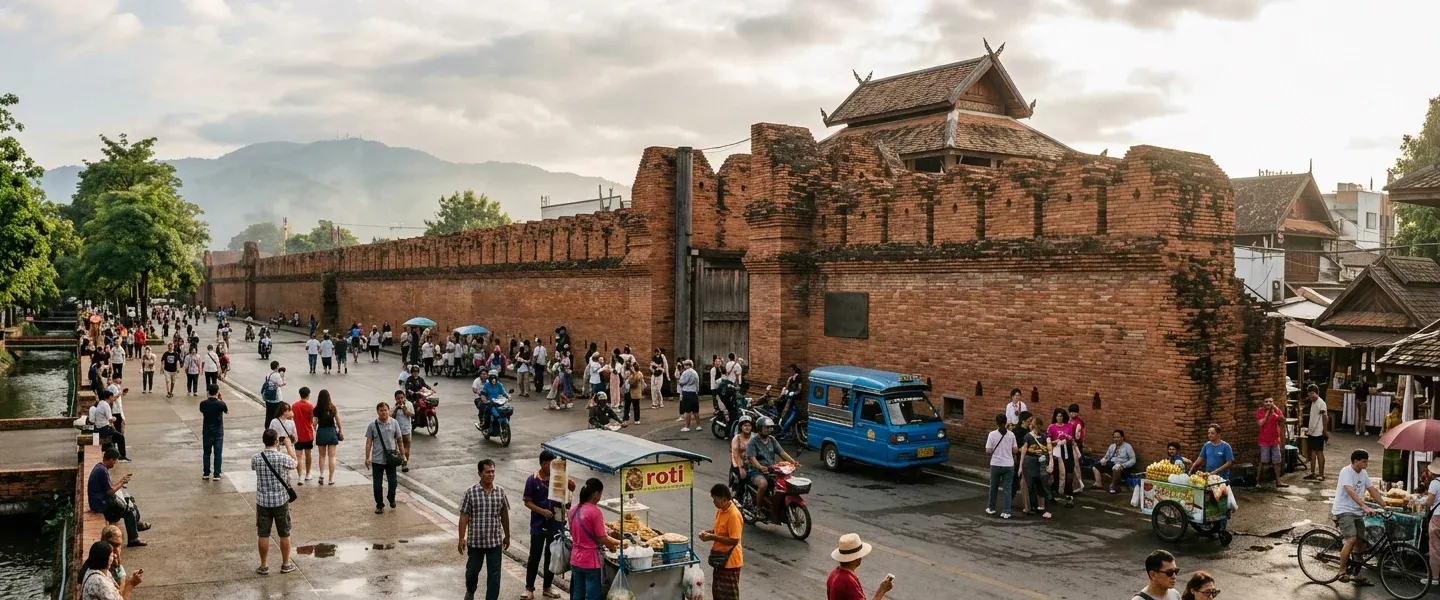
The morning air in Chiang Mai often carries the scent of woodsmoke and frying garlic, a stark contrast to the exhaust fumes that will dominate later in the day. Before 7 AM, the Chiang Mai Gate Market is already a hive of activity, not for tourists, but for locals grabbing sticky rice and grilled pork skewers (moo ping) from a vendor who's been there for years, or buying fresh produce for the day's meals. This early rhythm is the city's true pulse, a quiet hum before the red songthaews, the shared pickup trucks with two benches in the back, start their relentless circuits, ferrying both locals and tourists for around 30-60 baht ($0.80-$1.60 USD) a ride.
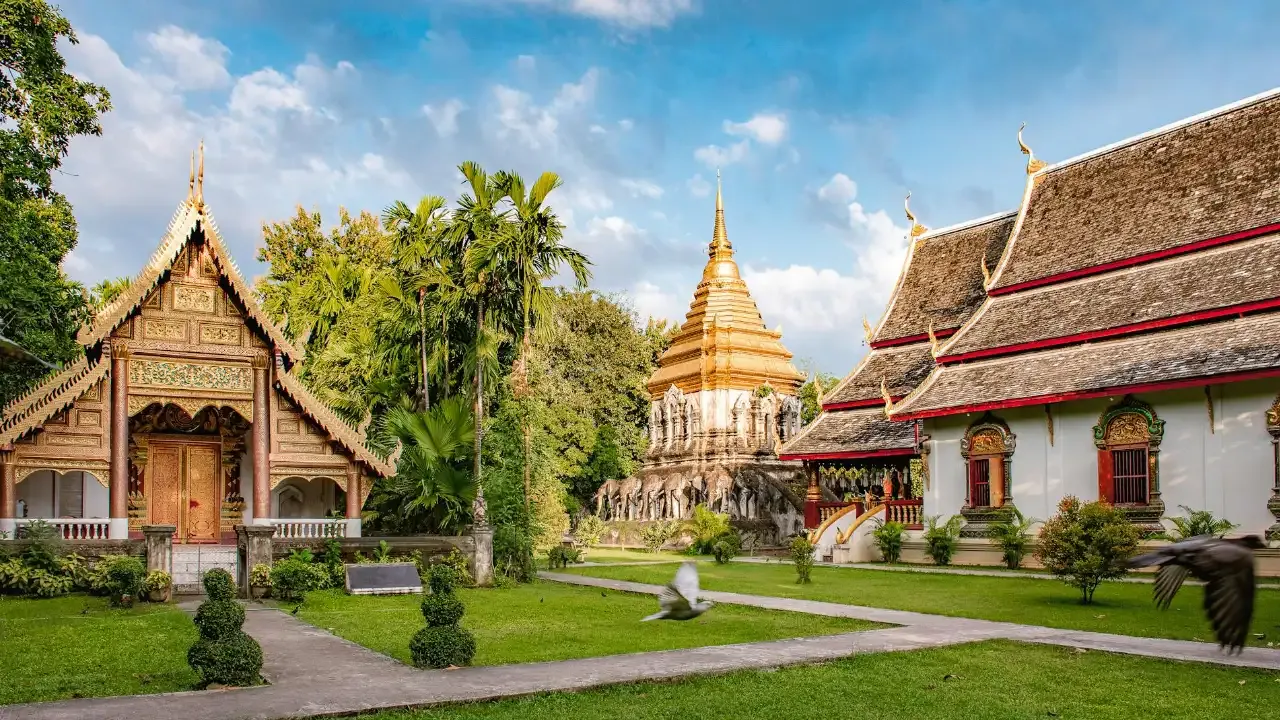
The Old City, encircled by its ancient moat and crumbling walls, is undeniably charming with its abundance of temples like Wat Phra Singh and Wat Chedi Luang, but it's also where the tourist density can feel overwhelming, especially during the Sunday Walking Street market. Head east, past Tha Phae Gate, and you'll find Chang Moi and the area around Warorot Market (Kad Luang). This is Chiang Mai's historic trading heart, a loud, chaotic, and genuinely local experience where the air is thick with the smell of dried chilies, fresh flowers from the Ton Lamyai flower market, and sizzling Northern Thai sausages (sai ua). You'll see fewer selfie sticks here and more people haggling over textiles or picking up ingredients for dinner, often at better prices and quality than the more tourist-focused night bazaars.
For a different side of Chiang Mai, head northwest to Nimmanhaemin, or 'Nimman' as it's known. This neighborhood feels younger, more international, and definitely more polished than the Old City. It's a hub for digital nomads and university students, filled with sleek cafes, co-working spaces, and boutique shops. You'll find places like Ristr8to serving up detailed latte art or the Maya Lifestyle Mall offering a modern shopping experience, a stark contrast to the traditional markets. Nightlife here is more about rooftop bars and craft beer spots like Beer Republic on Nimmanhaemin Soi 11, rather than the more raucous party scene found near the Night Bazaar.
Eating in Chiang Mai is less about formal restaurants and more about the street, though the line between the two can blur. You'll often find the best khao soi, a rich Northern Thai curry noodle soup, at unassuming stalls or small, open-air eateries where plastic stools spill onto the sidewalk. Don't expect the familiar Pad Thai or green curry to dominate; Northern Thai cuisine has its own distinct, often more sour and aromatic, flavors. Food safety on the street is generally good, especially at busy spots where food is cooked to order and turns over quickly. Just look for places crowded with locals, a good indicator of freshness and taste, and don't be afraid to point at what looks good; English menus are common enough.
Getting around largely involves the red songthaews, which operate more like shared taxis than buses. You flag one down, state your destination, negotiate a price (usually 30-60 baht for within the city), and hop in the back with whoever else is going in a similar direction. It's an efficient, if sometimes indirect, way to travel. For direct routes or late nights, Grab (the Southeast Asian equivalent of Uber) is readily available and reliable, with fares clearly displayed in the app. While renting a scooter offers freedom, the chaotic traffic and the need for a proper license make it a riskier proposition for many.
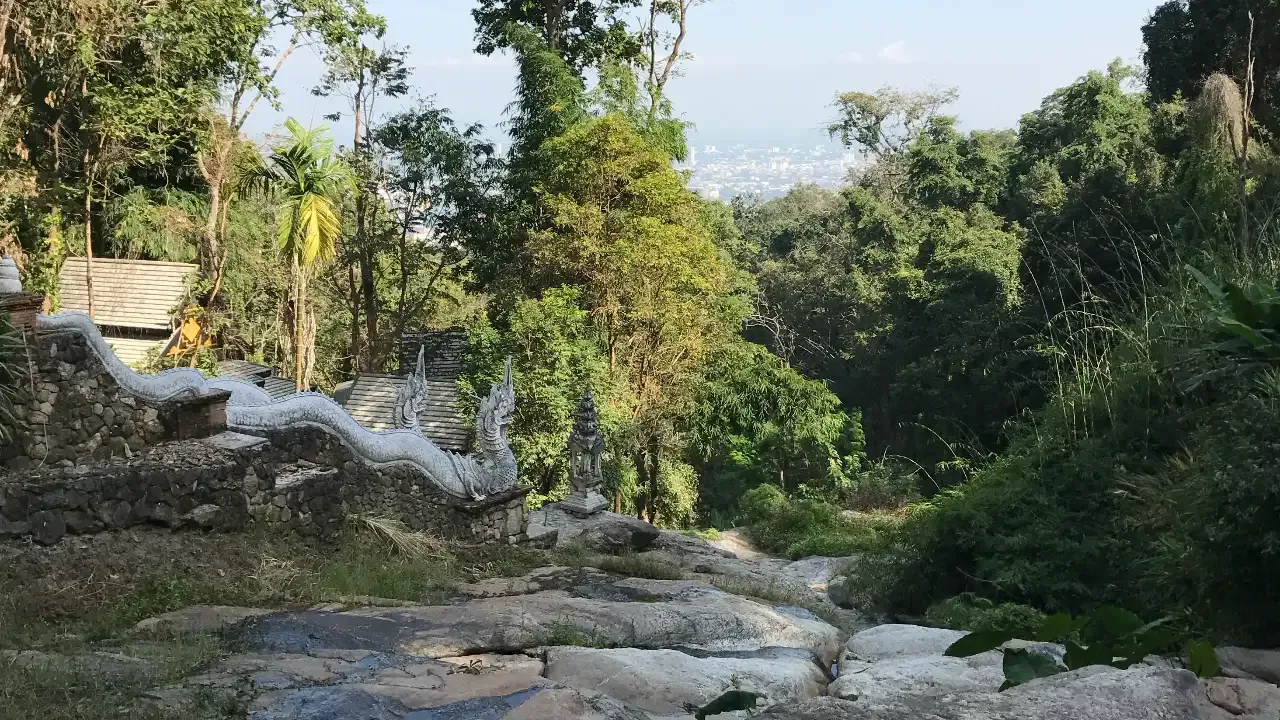
Beyond the city limits, the mountains call. Wat Phra That Doi Suthep, perched high on Doi Suthep mountain, is undeniably a major draw, offering panoramic views of the city on a clear day and a golden chedi. While it can be crowded, especially for sunset, the journey up the winding road, perhaps stopping at the serene Wat Pha Lat, a 'hidden temple' in the jungle with waterfalls, makes the trip worthwhile. The quiet calm of Wat Pha Lat, with its old stone structures and the sound of cascading water, offers a genuine escape from the city's constant thrum, a moment of unexpected peace that many travel articles overlook in favor of the more famous golden spire.
Burning Season
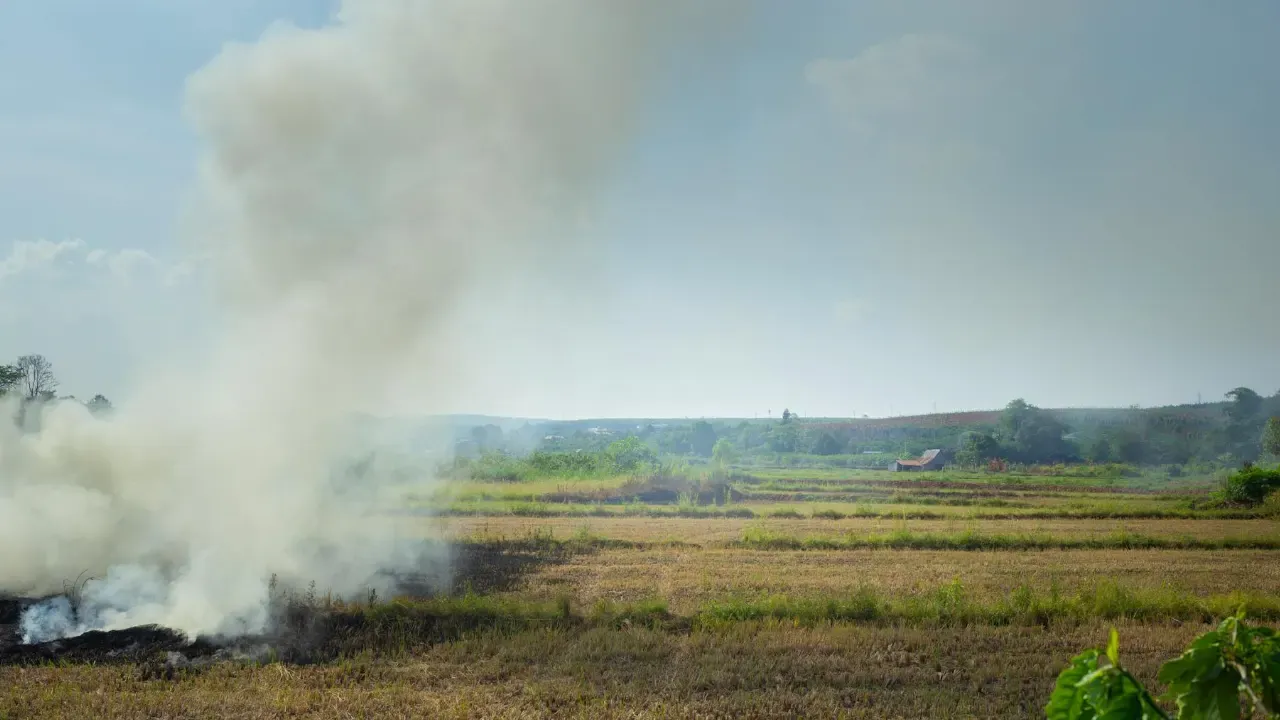
You notice it before you see it. Step outside around mid-morning and the air has a dry, ashy weight that sits in your throat. By noon, Doi Suthep disappears behind a flat grey wall, not fog, not cloud, just smoke that does not move. Cafes in Nimman close their windows and run air purifiers full blast. Locals walk around with masks on without thinking twice. This is not a one-day event. It hangs for weeks, sometimes longer, turning what should be an outdoor city into something you experience through glass.
The source is not a mystery. Farmers across northern Thailand and neighboring regions burn crop residue, and forest fires spread in the dry heat. It builds slowly, then suddenly spikes. Apps like AirVisual become part of your daily routine, not out of curiosity but because it changes how you plan your day. On bad days, even short walks feel heavy, like breathing through fabric. You will see tourists still heading up to viewpoints out of habit, staring into blank haze where the landscape should be. That is time wasted.
There are efforts to control it, but they lag behind the scale of the problem. You will see checkpoints on mountain roads and occasional patrols, and there are public campaigns every year about reducing burning. It barely dents the outcome. Cross-border smoke drifts in regardless of local rules, and enforcement outside urban areas is inconsistent. The reality on the ground is that Chiang Mai does not solve this in time for your trip. You are not stepping into a temporary inconvenience. You are stepping into a known seasonal failure.
Locals adapt or leave. Some head south for a few weeks if they can. Others stay and build routines around it, gym instead of hiking, malls instead of markets, short bursts outside between spikes. If you are visiting, do the same or change your plan entirely. Chiang Mai during this period is not worth forcing. You will end up paying to sit indoors checking air quality charts instead of seeing anything. If your dates are fixed, pick somewhere else in Thailand or leave the region entirely and come back when the sky is visible again.
Where to Stay in Chiang Mai
- Trendy, Digital Nomad
Nimmanhaemin (Nimman)
Nimman, west of the Old City, is Chiang Mai's modern and stylish district, popular with expats, digital nomads, and young locals. It's known for its chic cafes, boutiques, co-working spaces, and diverse food scene, ranging from street food to international dining. While it lacks ancient temples, it offers a contemporary vibe and a busy nightlife.
Good for: Digital nomads, younger travelers, and foodies seeking modern amenities, nightlife, and a strong cafe culture.
Skip if: You are sensitive to airplane noise, as it's in the flight path, or prefer a traditional Thai experience.
- Local, Budget-Friendly
Santitham
Just north of the Old City and west of Nimman, Santitham offers a more authentic, local experience with fewer tourists. This area has a distinctly local vibe, with markets, street food stalls, and small cafes catering to Thai families and students. It's a quieter, more laid-back atmosphere compared to the busy tourist hotspots.
Good for: Budget travelers and those seeking an authentic local experience with affordable food and accommodation.
Skip if: You want to be in the center of tourist attractions or prefer a wide selection of nightlife options.
- Saturday Market, Silverware
Wua Lai
Wua Lai, just south of the Old City, is best known for its lively Saturday Night Market, transforming Wualai Road into a busy hub of crafts, food, and cultural performances. Historically a silver-making district, you can still find a few silver workshops open in the evenings. It offers a more relaxed atmosphere than the larger Sunday Walking Street.
Good for: Experiencing a lively local market, finding unique handicrafts, and sampling street food on a Saturday evening.
- Historic, Tourist Hub
Old City
The Old City is Chiang Mai's historic heart, enclosed by a moat and ancient walls. It's packed with temples like Wat Phra Singh and Wat Chedi Luang, and its walkable streets are filled with guesthouses, shops, and restaurants. The area around Tha Phae Gate is particularly lively and serves as a central meeting point. On Sunday evenings, Ratchadamnoen Road transforms into a massive walking street market.
Good for: First-time visitors who want walkable access to the main sights and cultural experiences.
Skip if: You prefer modern amenities or a quieter, less tourist-focused atmosphere.
- Night Bazaar, Shopping
Chang Khlan
Chang Khlan, located east of the Old City, is home to the famous Chiang Mai Night Bazaar. This area buzzes with activity, offering a mix of shops, restaurants, and markets, especially in the evenings. The Night Bazaar itself is a cluster of zones, including open-air stalls along Chang Khlan Road, Kalare Night Bazaar for food and performances, and Anusarn Market for a more relaxed dining experience.
Good for: Shoppers, food enthusiasts, and those who enjoy lively evening markets and entertainment.
Skip if: You dislike crowds or prefer a quieter, more tranquil evening atmosphere.
Frequently Asked Questions
Planning & moving around
-
What are the best areas and neighborhoods in Chiang Mai for different types of travelers?
The Old City is ideal for first-time visitors and those interested in history and culture, with many temples and walkable streets. Nimmanhaemin (Nimman) suits younger travelers, foodies, and digital nomads with its trendy cafes, restaurants, and nightlife, though it can be pricier. The Riverside area offers a more relaxed, luxurious experience, perfect for families and couples seeking tranquility and scenic views. For budget travelers or those wanting a more local feel, Santitham provides affordable guesthouses and authentic street food, while the Night Bazaar area is excellent for shopping and budget-friendly stays near the action.
-
What are the realistic transport options for getting around Chiang Mai, and what do tourists often get wrong?
Within the Old City, walking is easy and often the best way to explore. For longer distances, songthaews (red trucks) are common and inexpensive; negotiate the fare before getting in. Tuk-tuks are also available but tend to be pricier. Ride-hailing apps like Grab are widely used and offer transparent pricing, which can prevent overcharging. Tourists often overestimate the ease of navigating outside the Old City on foot, and underestimate traffic, making Grab a reliable choice for convenience.
-
Do I need a special license to rent a scooter in Chiang Mai?
Yes, legally you need your home country's driver's license and an International Driving Permit (IDP) to rent and ride a scooter in Chiang Mai. While some rental shops might not ask for it, police checkpoints are common, especially around the Old City gates and Maya Mall, and you can face a 500 baht fine if you don't have the proper documentation. Your car license is generally sufficient for scooters under 160cc, but for maxi scooters, a motorcycle license is required.
-
Is English widely spoken in Chiang Mai, and are ride-hailing apps useful?
English is generally understood in tourist areas, hotels, and many restaurants, especially in neighborhoods like the Old City and Nimman. However, venturing into more local areas or markets might present a language barrier. Ride-hailing apps like Grab are extremely useful for getting around as drivers often use GPS and the app handles the communication and payment, making it a smooth experience even with limited Thai language skills.
-
Is it worth doing day trips from Chiang Mai, or are they overhyped?
Some are worth it, but a lot are long days for pretty average payoff. Doi Inthanon is solid if you want cooler weather and waterfalls, but expect crowds. The White Temple in Chiang Rai looks good in photos, but it's a 3+ hour drive each way and feels rushed. If you hate sitting in vans, skip most group tours.
-
When is burning season in Chiang Mai, and should I avoid visiting during it?
Burning season typically runs from late February to early April, when farmers burn crop residue and forest fires increase. Air quality can drop to hazardous levels, with heavy smog affecting visibility and health. If you have respiratory issues, it's a bad time to visit. Many travelers leave during this period or plan trips elsewhere in Thailand.
-
How bad is the air pollution in Chiang Mai outside of burning season?
Outside burning season, air quality is generally acceptable, though still worse than in many Western countries. Traffic and urban pollution contribute year-round, but it rarely reaches dangerous levels for short-term visitors. If you stay longer, you'll notice fluctuations. Checking AQI apps daily is common practice among expats.
Safety & medical
-
How safe is Chiang Mai for solo female travelers?
Chiang Mai is considered very safe for solo female travelers, with petty theft being uncommon and violent crime rare. Many solo female travelers report feeling secure even when walking alone at night. However, standard precautions apply, such as being aware of your surroundings, especially in poorly lit areas, and avoiding showcasing expensive electronics. The main safety concern is traffic, particularly when crossing roads at night due to fewer traffic lights.
-
What is the realistic risk of getting seriously ill in Chiang Mai from food, water, insects, or environmental hazards, and how good is emergency medical response?
The realistic risk of serious illness from food or water is present, especially with street food, though many vendors are reputable. Typhoid and Hepatitis A vaccinations are recommended due to potential contamination. Japanese Encephalitis and Rabies are also risks from insects and stray animals, respectively. Emergency medical response in Chiang Mai is good, with several excellent private hospitals like Bangkok Hospital Chiang Mai and Chiangmai Ram Hospital offering 24/7 emergency services and English-speaking staff.
-
What specific risks in Chiang Mai make travel insurance worth it?
Beyond standard medical emergencies, travel insurance is particularly valuable in Chiang Mai for covering scooter accidents, which are a common cause of injury and can lead to significant medical bills if you lack proper licensing. It's also crucial for potential evacuation in cases of severe illness or injury, as while local hospitals are good, complex or long-term care might necessitate transfer to a facility with more specialized services. Additionally, insurance can cover lost or stolen belongings, especially if you're exploring busy markets.
-
Are there any non-obvious vaccinations recommended for Chiang Mai?
Beyond routine vaccinations, it's highly recommended to be vaccinated against Hepatitis A and Typhoid, as these are common food and waterborne risks, particularly if you plan to enjoy street food or visit rural areas. Japanese Encephalitis is also recommended for longer stays or if you'll be spending significant time outdoors, especially during the rainy season (May to October). Rabies vaccination is advised if you anticipate close contact with animals, such as during outdoor activities or visits to animal sanctuaries.
-
How dangerous is driving a scooter in Chiang Mai realistically?
It's one of the biggest risks you'll take there. Traffic is chaotic, road rules are loosely followed, and many tourists have zero experience riding. Accidents are common, especially on mountain roads like the route to Pai. If you're not confident, don't learn here.
Laws & local norms
-
What are the drug laws and penalties in Chiang Mai, and what about vaping?
Thailand has extremely strict drug laws, and penalties for possession, use, or trafficking of illegal drugs are severe, including lengthy prison sentences and heavy fines. While cannabis was decriminalized, public consumption and products with high THC content remain illegal. Vaping and e-cigarettes are illegal in Thailand, including their import, sale, and use. Enforcement can be inconsistent, but tourists have faced fines and even arrest for vaping, so it's best to avoid it entirely.
-
What is the dress code for temples and other important sites in Chiang Mai, and what local etiquette should visitors be aware of?
When visiting temples, both men and women should cover their shoulders and knees. This means no sleeveless tops, short shorts, or mini-skirts. Loose-fitting clothing in breathable fabrics like cotton or linen is ideal due to the heat. You'll also need to remove your shoes before entering temple buildings. Beyond dress, always step over the raised threshold of a temple doorway, not on it, as it's believed to house protective spirits.
-
How LGBTQ+ friendly is Chiang Mai?
Chiang Mai is generally considered very LGBTQ+ friendly, with a relaxed and welcoming atmosphere, especially compared to some other parts of Asia. There's a visible, albeit subdued, gay scene, particularly around the Night Market area with bars like Ram Bar and Club One. While same-sex couples holding hands in public are unlikely to draw hostility, it's still advisable to keep public displays of affection low-key to respect local conservative norms, which apply to all couples. Thailand legalized gay marriage in 2025.
-
Can you fly drones in Chiang Mai, and what do people get wrong?
You need to register your drone and get proper permits from Thai authorities. Flying near temples, airports, or crowded areas is restricted and enforced more than people think. A lot of tourists just fly anyway and hope for the best. That works until it doesn't, and fines aren't small.
Food & drink
-
What are the must-try local dishes in Chiang Mai, and where can you find the best versions?
Khao Soi, a rich, creamy coconut curry noodle soup, is the quintessential Chiang Mai dish; try it at local favorites like Khao Soi Khun Yai near the North Gate. Sai Oua, a spicy Northern Thai pork sausage infused with herbs, is another must-try, often found at street stalls and markets like Warorot Market. Nam Prik Ong, a pork and tomato chili dip, and Nam Prik Nume, a green chili dip, are excellent with sticky rice and fresh vegetables. For authentic street food, explore the North Gate Market (Chang Puak Gate) and Warorot Market.
-
How vegan and halal-friendly is Chiang Mai?
Chiang Mai is surprisingly vegan-friendly, especially given the prevalence of Buddhist culture. Many restaurants offer vegetarian and vegan options, and there are dedicated vegan eateries. Look for 'Jay' signs, which indicate vegan food in Thailand. For halal food, options are available, particularly around areas with a Muslim population, though it may require more searching than vegan options. It's always best to confirm ingredients and preparation methods directly with vendors or restaurants.
-
Can you drink ice in Chiang Mai, or should you avoid it?
Ice is generally safe in most places, including street stalls. It's usually factory-made and delivered in large blocks, not made from tap water. The bigger risk is poorly stored food, not the ice. If the place looks clean and busy, you're fine.
Families & kids
-
Is Chiang Mai a practical destination for families with young children, and what are the friction points?
Chiang Mai can be a practical destination for families, offering a mix of cultural experiences and child-friendly activities. Food options are generally diverse, with many milder dishes available for fussy eaters, though finding specific Western comfort foods might require seeking out dedicated restaurants. The heat and humidity can be a friction point for young children, so plan activities for mornings and late afternoons. Child-specific medical care is available at private hospitals, and many tourist attractions are genuinely welcoming to families.
-
What are some concrete activities and attractions in Chiang Mai that work well for children?
Children often enjoy visiting ethical elephant sanctuaries like Elephant Nature Park, where they can feed and walk with elephants. The Bua Tong 'Sticky' Waterfalls offer a unique and safe climbing experience due to their grippy limestone surfaces. Other popular options include exploring the 3D Art in Paradise Museum, taking a boat trip on the Mae Ping River, or visiting the Ginger Farm Chiang Mai for animal interactions and play areas. Night markets, like the Chiang Mai Night Bazaar, also provide entertainment and diverse food options.
After dark
-
What are the most popular dating apps in Chiang Mai?
For those looking to connect, popular dating apps in Chiang Mai include Tinder, Badoo, Line Dating, and ThaiCupid. Boo is also noted as an optimal dating app for deeper connections based on personality compatibility. Many travelers also use Facebook groups or apps like Meetup to find social gatherings and meet new people with shared interests, rather than solely for dating.
-
Are there red light districts or adult entertainment areas in Chiang Mai that could affect other travelers?
Chiang Mai has a visible adult entertainment scene, primarily concentrated around the Night Bazaar area, particularly Charoenprathet Alley 6 and Kalare shopping plaza. This area features several beer bars and cabaret shows, such as Ram Bar and Adam's Apple Club. While it's not as extensive as in some other Thai cities, travelers, especially families, booking accommodation nearby should be aware that these venues are openly present and contribute to the area's nightlife.
-
Is Chiang Mai a good place for digital nomads who want a social nightlife?
Depends what you mean by nightlife. There's a social scene with bars and meetups, especially in Nimman, but it's pretty tame. Things shut early and the vibe is more casual than party-focused. If you want late nights and big clubs, you'll get bored fast.
Adventure
-
Is hiking around Chiang Mai safe to do without a guide?
Some trails are fine, but many aren't well marked and you can get lost quickly. Mobile signal drops off in the mountains, and there's little infrastructure if something goes wrong. Hiring a local guide isn't just about safety, it also avoids wandering into restricted or private land. Going solo without experience is asking for trouble.
Wildlife
-
Are elephant sanctuaries in Chiang Mai actually ethical?
Many claim to be ethical but still allow bathing, riding, or unnatural interaction. Truly ethical places limit contact and focus on observation and conservation. Elephant Nature Park is one of the better-known examples, but even then you should check current practices. If direct interaction is the highlight, it's probably not ethical.
-
Are there any real risks from insects or animals in everyday city areas?
Nothing dramatic, but it's not zero either. Mosquitoes are the main annoyance, especially around dusk, and bites can add up quickly. You'll also see geckos, which are harmless, and the occasional rat in quieter areas at night. It's manageable, just don't expect a spotless environment.
Accessibility
-
Is Chiang Mai accessible for travelers with mobility issues?
Not really. Sidewalks are uneven or nonexistent, and many buildings lack ramps or elevators. Temples often have stairs and high thresholds. Some modern malls and hotels are accessible, but getting around independently can be frustrating.