
Malaysia Right Now
Air quality is unhealthy in many parts of West Malaysia, including the Klang Valley, due to transboundary haze.
Birthday of the Governor of Sarawak
Where to go in Malaysia
Six places that cover most of what Malaysia does well. Kuala Lumpur for the food and the skyline, Penang for the hawker stalls, Ipoh for coffee and cave temples, Malacca for the old trading-port streets. Langkawi is the west-coast island that stays open year-round, and Kota Kinabalu is your way into Borneo for Mount Kinabalu and the dive sites. Peninsula or Borneo, they're a flight apart, so pick a side per trip.
-
 Mixed1
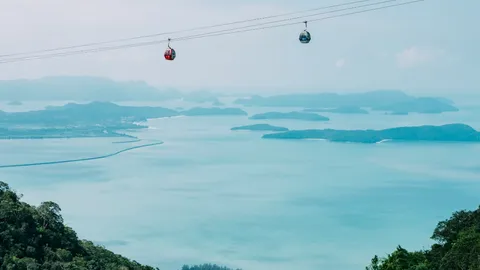
Langkawi
Cheap sunset beers, mangrove eagles, and a cable car to a sky bridge, on a duty-free island of good sand.
- Daytime high
- 29°C 84°F
- Rain days this month
- 21 rain days
- Crowds
- Quiet
-
 Mixed2
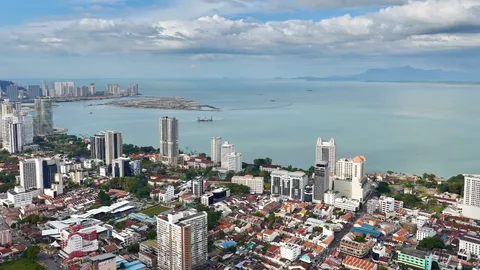
Penang
Assam laksa and char kuey teow, shophouse streets and clan jetties, and beaches you can safely skip.
- Daytime high
- 30°C 86°F
- Rain days this month
- 23 rain days
- Crowds
- Quiet
-
 Mixed3
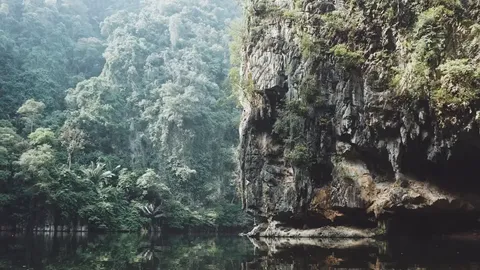
Ipoh
Malaysia's food town, wrapped in limestone hills and faded Old Town shophouses.
- Daytime high
- 31°C 88°F
- Rain days this month
- 21 rain days
- Crowds
- Quiet
-
 Mixed4
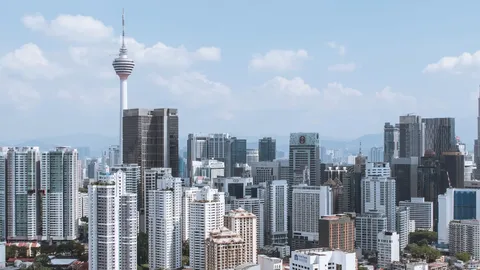
Kuala Lumpur
Hawker stalls under the Petronas Towers, mamak joints that never close, and trains that actually work.
- Daytime high
- 31°C 88°F
- Rain days this month
- 17 rain days
- Crowds
- Quiet
-
 Mixed5
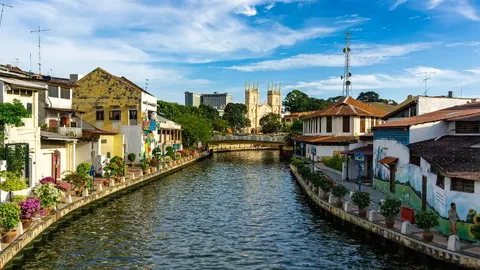
Malacca
Five centuries of trade, packed into one walkable old town on the strait.
- Daytime high
- 31°C 88°F
- Rain days this month
- 17 rain days
- Crowds
- Quiet
-
 Mixed6
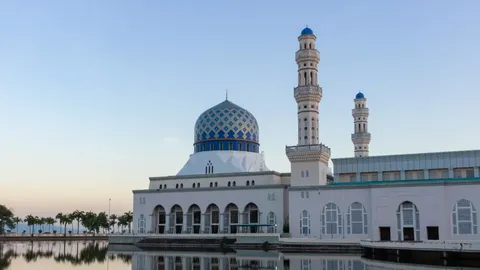
Kota Kinabalu
Sabah's seafront gateway to Borneo, its islands, and the mountain behind them.
- Daytime high
- 30°C 86°F
- Rain days this month
- 17 rain days
- Crowds
- Moderate
When to go to Malaysia
Need to Know
- Population
- 34,389,400 DOSM · 2026
Top visitor markets
- Singapore 49.7%
- Indonesia 10.9%
- China 9.8%
- Thailand 6.0%
- Brunei 4.6%

Show fewer Show 5 more
- India 3.6%
- Philippines 1.5%
- South Korea 1.5%
- Australia 1.2%
- Chinese Taipei 1.1%




Source: Tourism Malaysia · 2024
- Currency
- Malaysian Ringgit (MYR)
- Language
- Malay (official), English is widely spoken in urban areas and tourist centers.
- Tap water
- Not safe
- Time zone
- GMT+8 (MYT)
- Power plug
- Type G, 240V
- Dialing code
- +60
- Driving side
- Left
- Tipping
- Not customary; a 10% service charge is usually already on the bill.
- Internet
- Fast 4G/5G in cities and tourist areas; patchier in rural and island spots.
- Emergency
- 999 (all services), 112 (mobile emergency)
When not to go
-
Skip the east-coast islands in monsoon
Nov – Mar · peaks in JanThe northeast monsoon shuts down the Perhentians, Redang, and much of Tioman. Resorts close for the season, ferries stop or run only in short weather windows, and the sea gets too rough to dive. The west coast stays dry through those months, so come for the east-coast islands between April and September instead.
-
Watch for haze season
Aug – Oct · varies by yearIn bad years, smoke from land-clearing fires across the region settles over Kuala Lumpur, Penang, and especially Sarawak and Sabah in Borneo. Air quality can climb into unhealthy numbers for days at a time, cutting visibility and hazing out the skyline. It doesn't happen every year and it's hard to predict, but if you have a respiratory condition, check the AQI before booking Borneo in late summer.
Upcoming Holidays
Public holidays & observances, next 12 months
Malaysia Visa & Entry
Getting To Malaysia
-
Kuala Lumpur International Airport (KLIA T1 & T2)
~55 km south of the city, at Sepang
The KLIA Ekspres train is the fastest way in, RM55 and 28 minutes straight to KL Sentral, running every 20 minutes. Grab costs a little more and takes an hour or longer if traffic is bad. Budget flights on AirAsia use Terminal 2 (KLIA2), a free shuttle train stop from T1.
-
Penang International Airport (PEN)
~16 km south of George Town, at Bayan Lepas
Small and easy. Grab is the simplest way into George Town and usually cheaper than the airport taxi coupon. Rapid Penang buses run the same route for a couple of ringgit if you're not in a hurry.
-
Kota Kinabalu International Airport (BKI)
~8 km south of the city, in Sabah (Borneo)
The main gateway to Sabah for Mount Kinabalu, diving, and the islands. It's a short hop into town; Grab is cheap and quick, and the airport taxi works on a fixed-price coupon system if you'd rather not use the app.
-
Langkawi International Airport (LGK)
~8 km from Pantai Cenang, ~20 km from Kuah
Langkawi has no train and thin Grab coverage, so most people take a taxi from the coupon desk in arrivals. Renting a car here is genuinely worth it; the island is spread out and taxis add up fast.
Safety Advice
Malaysia is a safe country for most travelers, and the major governments rate the mainland at their lowest advisory level. The real risks are everyday ones: the roads well ahead of anything else, then petty theft, scams and dengue. The one genuine exception is the far east coast of Sabah, where a kidnapping threat keeps the offshore islands off several governments' travel lists, and a normal trip goes nowhere near it.
Travel Advisories
Natural disasters
Seasonal storms, flooding, and landslides can disrupt services and damage infrastructure.
Health & vaccinations
Be aware that some alcoholic drinks may contain methanol, which can cause serious illness or death.
Unrest & security
Terrorist attacks, including kidnappings, cannot be ruled out in crowded places and tourist areas.
Transport & infrastructure
Bag snatching by motorbike thieves is common in cities; avoid carrying valuables openly.
Other notes
Possessing any illegal drugs, including cannabis, carries severe penalties, including death.
Always check your own government's official travel advice before traveling.
Money & Payments
Malaysia is cheap to travel and easy to pay your way through, so the money you lose here goes quietly: the standalone airport ATM that charges RM15 and offers a bad conversion, and the restaurant bill that adds a puzzling sixteen percent you didn't budget for.
-
Cards, cash and DuitNow QR
Visa and Mastercard cover malls, hotels, chains and mid-range restaurants across the cities, and contactless is normal. Cash still rules at hawker stalls, wet markets, small kopitiams and anywhere rural. DuitNow QR is what locals scan, and tourists can now use it too through Alipay+ or the Wise app.
-
Skip Euronet, decline conversion
Malaysia's own bank ATMs mostly don't surcharge foreign cards, so the leak is the standalone Euronet machines in malls and airports that add about RM15 and push home-currency conversion. Use a Maybank or CIMB machine and always choose ringgit.
Costs in Malaysia
A comfortable mid-range day is about $50 to $100. Food and city transport are cheap, and you eat extremely well for little. The costs that add up are the flight over to Borneo and island rooms during the March, August, and December school holidays.
Spend money in Malaysia


Free travel cards available
Send money to Malaysia
Compare Providers









Save money?
Sign up for our guide on how to save money on your next trip.
SIM Cards & Data
Best option for most travelers: an eSIM you set up before you arrive. You'll be online the moment you land, with no airport line and no tourist pricing.
Travel eSIMs Connect the second you land. Zero hassle. Skip the airport line and paperwork. Activate before you fly and land connected. Find the best eSIM →Prefer a local SIM?
Malaysia has cheap, fast mobile data. 4G reaches almost everywhere you'll go and 5G covers the cities, so a prepaid SIM or eSIM from the airport sorts you for the trip.
-
CelcomDigi
Widest coverage, and the one to get if you're heading to Borneo or the east coast. The value tourist plan is 65GB for RM39 (about $8) on 30 days, sold at KLIA and Penang airports.
-
Hotlink (Maxis)
Best speeds in Kuala Lumpur and the Klang Valley. Tourist SIMs cost RM35 to RM60 for unlimited high-speed data under a fair-use cap.
-
U Mobile
Cheapest for short trips and strong in the cities. A 7-day 100GB pass is about RM15, though coverage thins once you leave the towns.
What Malaysia is Like
Malaysia is more than three cultures sharing a country and mostly getting on with it. Malay, Chinese, Indian, and Indigenous communities have shaped the place for generations, and you see it on any city block: a mosque a short walk from a Chinese temple, shop signs in several scripts. Sabah and Sarawak add dozens of Indigenous groups and cultures that feel far removed from the Peninsula. Breakfast might be roti canai at an Indian-Muslim mamak and dinner a plate of Hokkien mee, and both are just dinner to the person at the next table.
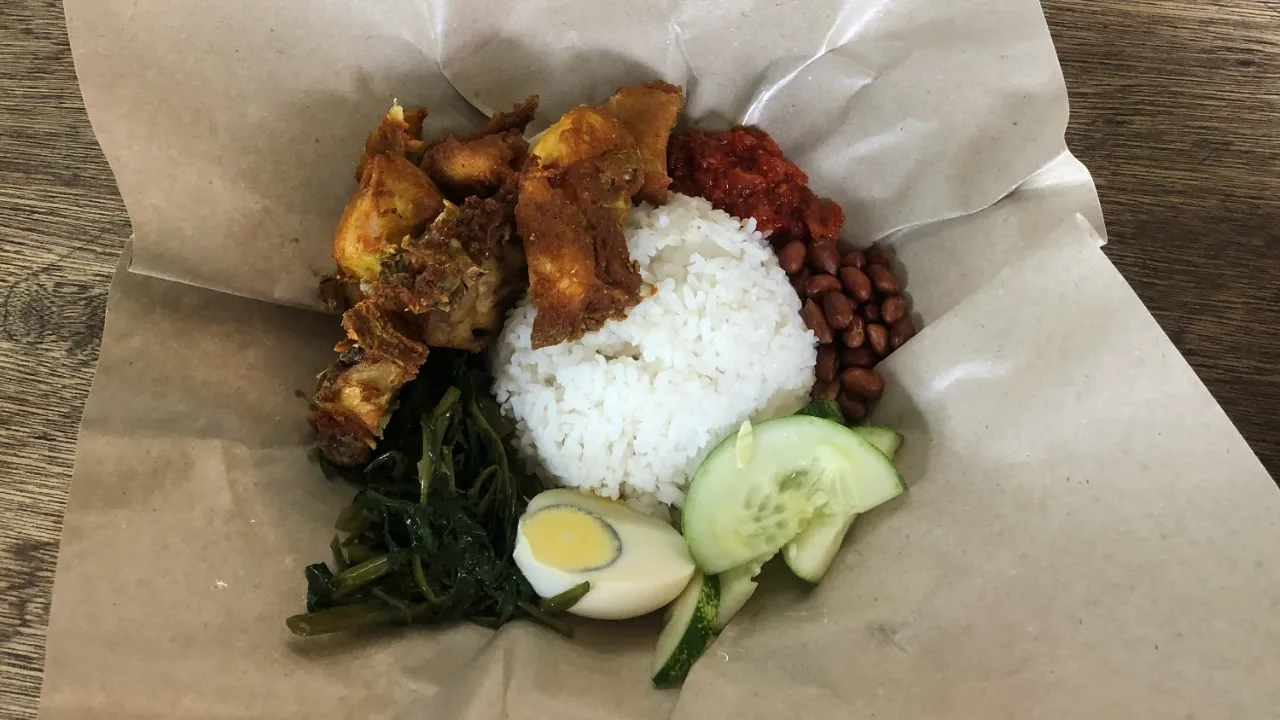
The food is the real reason to come, and Malaysians will argue about it for hours. Penang is where people fly in just to eat: char kuey teow off a smoking wok on Lorong Selamat, assam laksa at the Air Itam market. Ipoh does bean sprout chicken and thick white coffee. Kuala Lumpur eats late and everywhere at once, from Jalan Alor after dark to mamak stalls turning out roti canai, teh tarik, and nasi lemak at all hours. The best nasi lemak is simple: coconut rice, sambal, anchovies, peanuts, egg, and cucumber. Come hungry and skip the hotel breakfast.
Geography splits the country in two, and it trips up first-timers. Peninsular Malaysia holds the cities, the tea highlands, and the west-coast islands; the east coast runs on the opposite monsoon. Then there's Borneo, a flight east, where Sabah and Sarawak feel like their own place: Mount Kinabalu, orangutans, longhouses up the rivers of Sarawak, and the diving off Sipadan that serious divers cross the world for. Crossing between the two halves means flying, and that ticket is often the biggest single cost of the trip.
This isn't a flawless-postcard kind of place, and it doesn't pretend to be. Kuala Lumpur's traffic is grim, public transport thins out fast once you leave the capital, and the country has a conservative streak that gets stronger away from the big cities. It's Muslim-majority, so Ramadan reshapes opening hours and bars are quieter than in Thailand. If you want easy public transport, a big nightlife scene, or a trip that works without much planning, skip the road trips into rural Malaysia. Rent a car outside the cities; the trains and buses only get you so far.
Ramadan bazaars
For the fasting month, towns across Malaysia set up a pasar Ramadan, a street market that appears in the late afternoon and sells food and drinks for breaking the fast. This is some of the best eating in the country, and most tourists walk right past it. Ayam percik blisters over charcoal, murtabak comes stuffed with spiced meat, and the drinks stalls pour sweet pink bandung and fresh sugarcane juice. Go about an hour before sunset, buy more than you can carry, and eat it the way everyone does, in a park or back at your room.
The month changes the rhythm of a trip. Many Muslim-run restaurants close or cut their daytime hours, though plenty of Chinese and Indian places stay open, so you won't go hungry. Around people who are fasting, eat and drink discreetly and dress more modestly than usual, especially outside the big cities. The evenings are the payoff, once the fast breaks and the bazaars fill up.
The one week to plan around is Hari Raya Aidilfitri, the holiday that ends the month. Cities empty out as people head back to their family villages, an exodus called balik kampung. Domestic flights and long-distance buses sell out well ahead, highways jam for hours, and many small shops and restaurants close for days. Kuala Lumpur goes still, its usual traffic gone and half the shophouses shuttered. Book transport weeks ahead, or don't plan to move during that stretch.
Liveability
Internet is fast and cheap almost everywhere, and English gets you through daily life with no effort. Kuala Lumpur has decent trains, but the rest of the country is built for cars, so getting around means Grab or a rental. The food scene is the daily highlight.
Living in Malaysia
Sustainability
The thing you'll actually notice is haze season, when regional fires can smother Borneo and the west coast in smoke for days. Tap water isn't for drinking, and plastic washes up on some beaches. Heat and humidity are constant, and monsoon flooding hits the east coast hard.
Frequently Asked Questions
Planning & moving around
-
How long should you spend in Malaysia?
A week covers Kuala Lumpur plus one other spot like Penang or Langkawi. If you want to add Borneo for Mount Kinabalu, diving, or the rainforest, give it two to three weeks, since that means a separate flight and a different pace. Trying to do the peninsula and Borneo in one short trip leaves you mostly in transit.
-
What's the best way to travel around Malaysia?
Distances are bigger than they look, so most people fly between regions. AirAsia, Batik Air, and Firefly connect the main cities cheaply, and the hop to Borneo is one to book ahead. On the peninsula, the KTM ETS train is a comfortable way to run from KL up through Ipoh toward Penang. Within cities, Grab is the default, and KL is the only city with urban rail worth relying on.
-
Can you rent a scooter or motorbike in Malaysia?
You can, and on islands like Langkawi or Tioman it's the natural way to get around. Most non-ASEAN visitors need an International Driving Permit alongside their home license to ride legally. On the mainland the traffic is heavy and fast and the accident rate is high, so always wear a helmet, and skip riding in Kuala Lumpur, where Grab and the trains are easier and safer.
-
What are the long-term visa options for staying in Malaysia?
The main long-stay route is Malaysia My Second Home (MM2H), which has several tiers with fixed-deposit, income, and property conditions. Higher-income applicants can look at the Premium Visa Program (PVIP), and remote workers at the DE Rantau nomad pass. Requirements have changed several times lately, so check the current thresholds on the official MOTAC and MDEC pages before you commit.
Safety & medical
-
Is Malaysia safe for tourists?
Malaysia is one of the safer countries in the region for visitors, and violent crime against tourists is rare. The real danger is the roads; traffic and scooter accidents cause far more harm here than crime does. Bag-snatching by motorbike happens in Kuala Lumpur and Penang, so keep bags on the inside of the sidewalk and off the backs of chairs. The one place to be careful is the islands and waters off eastern Sabah, from Sandakan to Tawau, where a kidnapping risk remains.
-
Can you drink the tap water in Malaysia?
Tap water is treated and fine for brushing your teeth in the cities, but most locals and travelers drink it boiled or buy bottled, and you should too. Ice and washed salads at established restaurants in KL and Penang are safe enough. In rural areas and on the islands, stick to bottled, which is a couple of ringgit for a large bottle.
-
What vaccinations do you need for Malaysia?
No routine vaccines are required, though you need proof of yellow-fever vaccination if you're arriving from a country where it's present. Doctors usually suggest being up to date on Hepatitis A and typhoid, plus tetanus. There's no malaria risk in the cities or main tourist areas, but it exists in rural and forested parts of Borneo. Dengue is the mosquito risk to actually plan for, so use repellent day and night.
-
What kind of medical care is available for tourists?
Malaysia is a major medical-tourism destination, and private hospitals in Kuala Lumpur and Penang are well equipped and far cheaper than Western equivalents. Pharmacy chains like Guardian and Watsons are common in cities for minor issues, and pharmacists can advise on the spot. Get travel insurance anyway, above all to cover an evacuation from Borneo or the islands.
Laws & local norms
-
What are the drug laws in Malaysia?
Malaysia has some of the strictest drug laws in the world, and trafficking can still bring the death penalty. Even small amounts can mean long prison sentences and caning. Foreigners have been jailed and executed for drug offenses here, so there is no room to be casual about it.
-
Can you vape in Malaysia?
Vaping is heavily regulated and the rules are tightening. Under Act 852 you can't vape in a long list of public places, with fines up to RM5,000, and sales are tightly controlled. The legal status of nicotine vape sales is unsettled after a May 2026 court ruling the government is appealing, and several states restrict or ban sales outright. If you vape, bring your own, keep it away from no-smoking areas, and don't count on buying liquid or devices easily.
-
What is the situation with LGBTQ+ rights in Malaysia?
Same-sex sexual acts are illegal under federal law, with additional Islamic-law offenses that apply to Muslims. Foreign visitors aren't usually targeted, but the climate is conservative, authorities do raid LGBT venues and events, and public affection draws attention. Same-sex couples generally keep things discreet, and booking a room together is rarely a problem at international hotels.
-
What is the dress code for visiting religious sites?
Cover your shoulders and knees at mosques; temple rules vary, so follow what's posted. At mosques, women are usually expected to cover their hair, and robes or scarves are handed out at the main ones. Take your shoes off before going in. Everyday dress elsewhere is relaxed, especially in the cities.
-
Are there cultural etiquettes worth knowing?
In Malay and Indian settings, use your right hand for eating and passing things, since the left is considered unclean. Point with your thumb or an open hand rather than one finger. Take your shoes off before entering homes and many guesthouses. Don't offer pork or alcohol to Malay Muslims, and keep public affection low-key.
Money & costs
-
Is Malaysia expensive to travel in?
Malaysia is cheap by Western standards. A comfortable mid-range traveler spends around $50 to $100 a day, and you can go well under that by eating at hawker stalls and using Grab. Food and city transport are the real bargains. What adds up is the flight between the peninsula and Borneo, and island rooms during the March, August, and December school holidays.
-
Is tipping customary in Malaysia?
Tipping isn't expected. Many restaurants and hotels add a 10 percent service charge, shown as ++ on the bill, so you don't need to add more. Rounding up a Grab fare or leaving a few ringgit for good service is a nice gesture, never an obligation.
Culture & etiquette
-
What should you pack to wear in Malaysia?
Light, loose cotton for the year-round heat and humidity. Cities are relaxed, but covering shoulders and knees is the safer call in more conservative and rural areas and at religious sites. Bring one warm layer, since malls, buses, and cinemas crank the air-conditioning cold.
Food & drink
-
What are some must-try Malaysian dishes?
Nasi lemak is the national dish and a standard breakfast: coconut rice with sambal, fried anchovies, peanuts, and egg. Roti canai with dhal is the other one you'll eat again and again. Then chase the regional stuff: char kuey teow and assam laksa in Penang, bean sprout chicken and white coffee in Ipoh, nasi kandar at any busy mamak.
Families & kids
-
Is Malaysia good for families with young children?
Malaysia is generally easy with kids, especially in the cities, which have modern malls, strong private hospitals, and familiar food alongside the local stuff. Grab makes getting around simple. Heat and humidity are the main thing to manage, so build in pool time and keep everyone hydrated. Beaches, the KL aquarium, and Borneo wildlife all land well with children.