

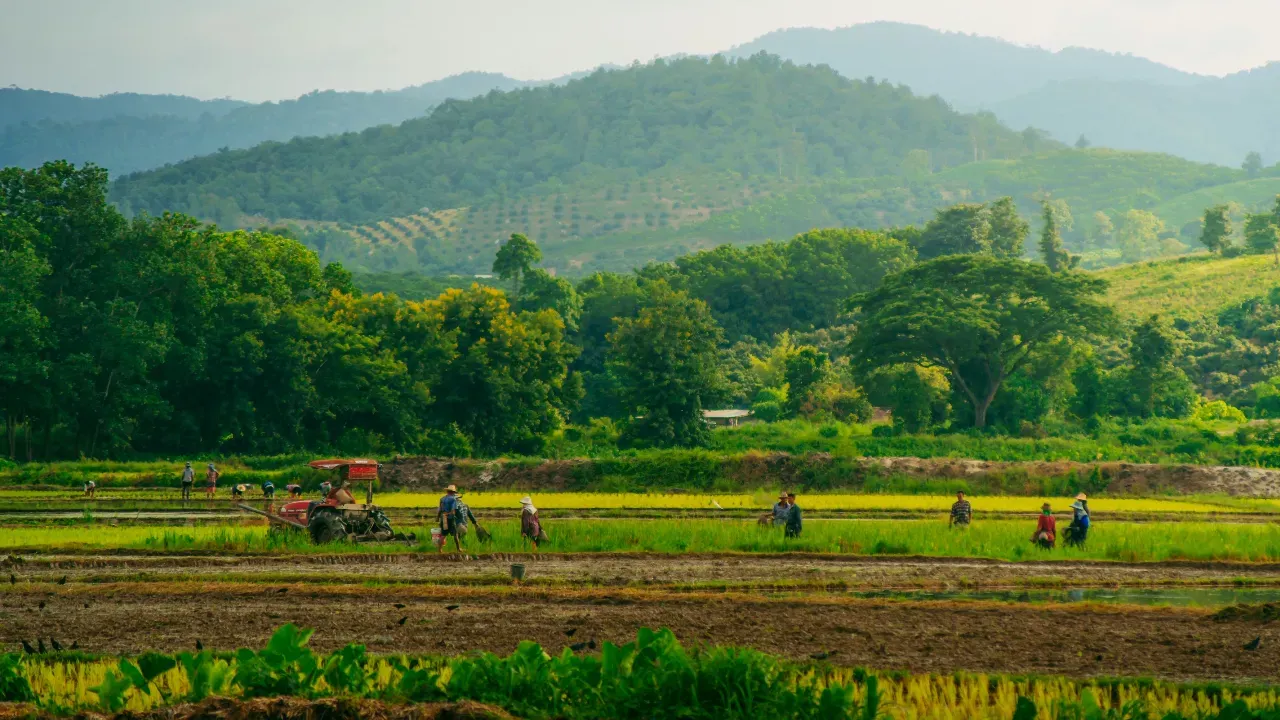
Chiang Rai Right Now
Visa exemption changes take effect September 15, reducing visa-free stays for many nationalities to 30 days.
Interest in travel to Chiang Rai remained about the same as a year ago, suggesting demand is holding steady.
Best time to visit Chiang Rai
Not the best time to visitMonsoon season
Expect frequent rain through September, though crowds are lighter. Be aware of monsoon season risks and pack accordingly for wet weather.
SCORE BY MONTH
November to February is the window: cool nights, clear skies and almost no rain. From late February through April the burning season fills the valley with smoke and the mountain views disappear. August and September are the wettest, when back roads to the hill villages turn to mud. It stays quieter than Chiang Mai all year.
Visitor data: Thailand Ministry of Tourism and Sports, monthly guest arrivals, Thai and foreign (2024-2025 average)
Day-to-day in Chiang Rai
Walkability
48/100
Chiang Rai is walkable only in the central Clock Tower and Night Bazaar core. Outside that pocket, sidewalks thin out, crossings get awkward, and short rides become the sensible choice.
Central sidewalks exist, but motorbikes, shop spillover, and broken curbs push walkers into traffic.
Clock Tower, Night Bazaar, cafes, and basic errands are within an easy central walk.
Scooters and pickups dominate crossings, and drivers rarely slow just because you stepped out.
Climate works against walking for much of the year. Plan around weather windows.
-
Monthly cost
$722 / month
VERY AFFORDABLESolo mid-range stay including rent, daily eating out, groceries, and routine costs.
-
MUAY THAI
Muay Thai is the strongest daily routine if you want something more structured than cafes and scooter loops. MBT Muaythai and The Underdog suit serious training better than casual one-off fitness tourism.
-
Coworking
Coworking is thin, so most laptop days happen in cafes. The Stone Wall is the clearest coworking-style option, but do not expect Chiang Mai-level community, events, or deep seat choice.
-
Gym
$56 / month
AFFORDABLEChiang Rai has workable local gyms rather than polished nomad fitness chains. PRO Gym Chiang Rai is a useful benchmark: basic weights, Thai-style practicality, and better value if you train regularly.
Need to Know
- Population
- 1,298,000 DOPA · 2024 (registered)
- Currency
- Thai baht (THB)
- Language
- Thai; English is workable in hotels, temples, tour desks, and central cafes
- Tap water
- Bottled recommended
- Time zone
- ICT (UTC+7)
- Power plug
- Type A / B / C / F / O, 220V
- Dialing code
- +66
- Driving side
- Left
- Tipping
- Not mandatory; round up or leave a little extra for good service.
- Internet
- Good 4G and cafe Wi-Fi in town; mountain roads and rural villages get patchier service.
- Emergency
- 191 police, 1155 Tourist Police, 1669 ambulance
When not to go
-
Avoid northern smoke season
Feb – Apr · peaks MarDo not plan Chiang Rai for mountain views during smoke season. Crop burning and forest fires can push AQI above 150, flatten Doi Tung, dull the tea hills, and turn outdoor days into mask-and-air-purifier logistics. Go after the first proper rains or choose the south instead.
-
Skip Songkran road days
13 Apr – 15 AprAvoid using Chiang Rai as a road-trip base during Songkran unless the festival is the point. Water fights are smaller than Chiang Mai's, but holiday driving, alcohol, pickup trucks, and family travel make highway runs to Doi Tung, Mae Sai, and the Golden Triangle more stressful. Stay central and join it, or move after the holiday traffic clears.
Upcoming Events & Holidays in Chiang Rai
Upcoming events, next 30 days
On the horizon
Public holidays & observances, next 12 months
Dates are researched and checked, but events move. Always confirm with the official source before you book anything around them.
Getting To Chiang Rai
-
From Mae Fah Luang (CEI)
About 8 km north of the city center
CEI is the easy arrival point for Chiang Rai, with Bangkok flights feeding most visitors. Official taxis use the counter outside Gate 3, airport limousine cars are inside near Gate 2, and Grab works in the city. Do not plan around an airport bus unless you have verified it on the day.
Direct flights to Chiang Rai
Serves 4 direct destinations, 2 international and 2 domestic, about 17 flights a day.
International 2- Kunming KMG China
 China Eastern Airlines 3/week
 - Singapore SIN Singapore
 Scoot 3/week
Within Thailand 2
- Bangkok DMK
 Nok Air
  Thai AirAsia
  Thai Lion Air 10/day
 - Bangkok BKK
 Thai Airways International
  Thai Vietjet Air 6/day
Nonstop routes only. Flights per day are an average, each way. Data: AeroDataBox, updated July 2026.
Visa rules apply at the country level. See the full Thailand visa guide, with every visa and its official do-it-yourself cost. -
-
Bus from Bangkok
Direct services from Mo Chit 2
The Bangkok bus is a budget move, not the smart default if you only have a short trip. Use it when you want an overnight ride and can handle a long seated journey. Book proper operators such as Sombat Tour or Bangkok Busline through their sites or 12Go, not random travel desks.
-
Bus from Chiang Mai
Direct services from Chiang Mai Arcade
This is the main overland route into Chiang Rai and the only sensible public transport link from Chiang Mai. GreenBus is the standard operator, but the road is bendy enough to annoy motion-sick travelers. Book ahead in busy periods and avoid the last departure if your hotel check-in is strict.
Safety Advice
Chiang Rai is generally safe with low violent crime, but petty theft and scams can occur in crowded areas. Road safety is a concern, so exercise caution when traveling.
Seismically active region
Earthquakes
Chiang Rai sits in a seismically active region. Most days you'll never notice it, but strong earthquakes do occur from time to time. It's worth knowing your accommodation's emergency exits and following local instructions if an earthquake occurs.
See the 5 strongest nearby earthquakes
- M6.92011 · 104 km · Tachilek
- M6.32007 · 138 km · Ban Houakhoua
- M6.22019 · 179 km · Sainyabuli
- M6.12014 · 11 km · Chiang Rai
- M5.92022 · 156 km · Kengtung
Source: U.S. Geological Survey · Updated August 2026
Common Scams in Chiang Rai
-
Tuk-tuk and taxi overcharging
MEDIUM RISKTrigger:A driver near the Night Bazaar refuses the meter
Drivers around the Night Bazaar, Clock Tower, and bus station quote inflated flat fares or push commission stops at gem and tailor shops. Ride-hailing drivers sometimes try to renegotiate once you are already outside the center.
How to avoid: Use Grab where possible and match the plate before getting in. For taxis or tuk-tuks, agree the full fare and route before the ride starts.
-
Gem and tailor rip-offs
MEDIUM RISKTrigger:Someone says a temple is closed and offers another stop
The detour usually ends at a gem or tailor shop where staff push overpriced goods with resale claims or export stories. The goods are often worth far less than the asking price.
How to avoid: Check attraction hours yourself and leave if a driver adds shopping stops. Temples and museums do not send visitors to jewel shops.
-
Bar tout overcharging
MEDIUM RISKTrigger:A tout pulls you into a karaoke bar late
Some bars hand tourists inflated bills or add charges never shown when ordering. Payment disputes can turn ugly if staff block the exit or demand cash.
How to avoid: Use places with visible menus and prices around the Night Bazaar. Walk away from venues using street touts to drag in customers.
Mistakes to Avoid
-
Not wearing a helmet
SERIOUS CONSEQUENCEHelmet checks happen around central Chiang Rai, and police can fine both rider and passenger. The bigger consequence is medical: insurers often reject motorcycle injury claims without a helmet or proper license.
Fix: Wear a proper helmet on every ride, including short city hops. Check that your license and travel insurance actually cover motorcycle use in Thailand.
-
Scooter damage deposit trap
Some rental shops claim old scratches or damage after return, then use the passport or cash deposit as leverage. In Chiang Rai this matters because scooters are common for temple loops and mountain roads.
-
Riding without license cover
SERIOUS CONSEQUENCEChiang Rai's temple and tea-hill routes tempt visitors onto scooters, but Thai police and insurers treat motorcycle rules seriously. A crash without the right license can leave you paying medical bills yourself.
Fix: Carry an international driving permit with motorcycle entitlement. If you lack cover, use Grab, a driver, or a rental car instead.
-
Ignoring smoke season
SERIOUS CONSEQUENCENorthern smoke season can turn Doi Tung, Mae Salong, and tea-field days into grey air and sore throats. This is not just a view problem for travelers with asthma or children.
Fix: Check air quality before booking long outdoor days. Choose the south or delay Chiang Rai until after the first proper rains.
-
Sleeping through bus theft
SERIOUS CONSEQUENCELong buses from Bangkok and Chiang Mai are useful, but valuables in overhead racks or soft bags can vanish while you sleep. Losing passport, phone, and cards on arrival ruins the trip fast.
Fix: Keep passport, cards, and phone on your body. Put clothes, not valuables, in luggage holds or overhead storage.
Money & Payments
Carry small baht, use cards at hotels and malls, and always pay in Thai baht.
-
Cash still matters
Chiang Rai is cash-heavy once you leave hotels, Central Chiangrai, and larger restaurants. Carry THB 20, 50, and 100 notes for the Night Bazaar, street food, tuk-tuks, temple donations, and small shops.
-
Cards for bigger bills
Visa and Mastercard work at hotels, department stores, supermarkets, and better restaurants. Small cafes, massage shops, and family-run places may refuse cards, set a minimum spend, or add a card surcharge.
-
ATM fees bite
ATMs from Krungthai, SCB, Kasikorn, Bangkok Bank, and Krungsri are easy to find around central Chiang Rai and Central Chiangrai. Foreign-card withdrawals usually add THB 220 (USD 6.10), while AEON is often lower at THB 150 (USD 4.20) but less convenient. Withdraw larger amounts when safe, since many machines cap each withdrawal around THB 20000-30000 (USD 555-835).
-
PromptPay with setup
PromptPay QR is common at Chiang Rai markets, cafes, and small vendors, but tourists usually need TAGTHAi Easy Pay linked to a KBank PAY&TOUR prepaid card. Set it up at a KBank foreign-exchange booth and top up there with cash; it is not a normal app wallet you load from any foreign card.
-
Exchange in town
Bank counters and established exchange booths around central Chiang Rai beat airport and hotel rates. Bring your passport, avoid changing large amounts at CEI unless you need starter cash, and compare the posted buy rate before handing over notes.
-
Decline currency conversion
ATMs and card terminals may offer to charge you in your home currency. Pick Thai baht every time, because the terminal's dynamic currency conversion rate is usually worse than your bank's rate.
-
International Transfers
To send money to a bank account in Thailand, for things like rent or day-to-day expenses, services like Wise or Remitly usually offer better rates than traditional banks and faster delivery.
You'll typically need the recipient's full name, account number, and SWIFT/BIC code. Some banks may also require a local address.
Costs in Chiang Rai
Chiang Rai is incredibly affordable, especially compared to tourist hotspots like Chiang Mai. You can live comfortably here on a modest budget, enjoying local food and a relaxed pace of life. The cost of living is significantly lower than in many Western cities, making it an attractive destination for budget-conscious travelers and long-term residents.
Save money?
Sign up for our guide on how to save money on your next trip.
SIM Cards & Data
Best option for most travelers: an eSIM you set up before you arrive. You'll be online the moment you land, with no airport line and no tourist pricing.
Travel eSIMs Connect the second you land. Zero hassle. Skip the airport line and paperwork. Activate before you fly and land connected. Find the best eSIM →Prefer a local SIM?
Chiang Rai town has solid 4G and usable 5G around the Clock Tower, Night Bazaar, Central Chiangrai, and major hotels. Local SIMs are easiest to sort at Bangkok airport, carrier shops, or Central Chiangrai before you head into Doi Tung, Mae Salong, or tea-country roads where signal gets patchier. An eSIM is simpler for short trips, but a local SIM is still useful if you want Thai calls, local top-ups, or shop support.
What Chiang Rai is Like
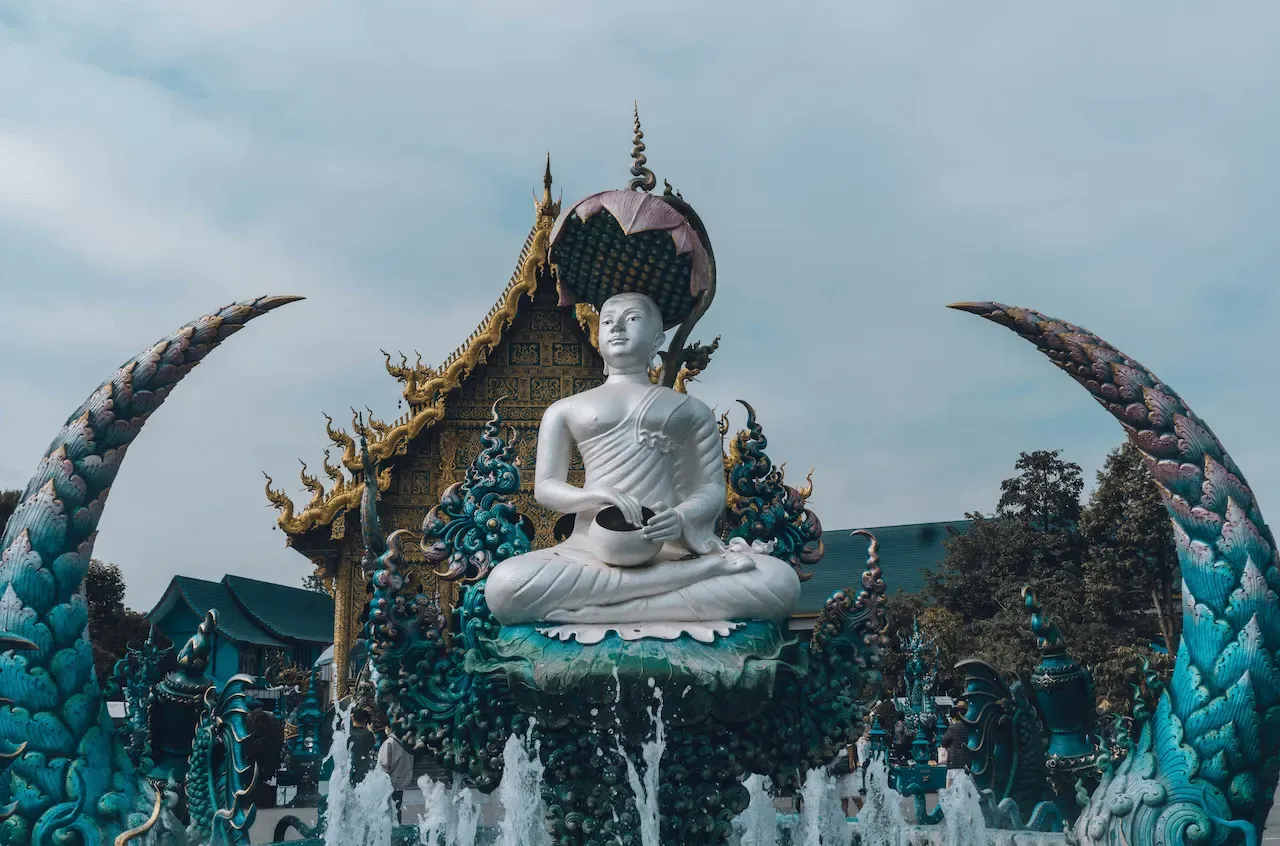
Chiang Rai moves at a small northern city pace, which is either the reason to come or the reason to leave quickly. The Clock Tower gives you a center of gravity, but the city soon loosens into highways, low houses, rice fields, petrol stations, and long quiet stretches where nothing is trying to entertain you. Smoke season can flatten the hills and make even simple outdoor days feel heavy, so the city loses some of its best angles when the air turns bad. On clear days, that looseness works. You stop measuring the place by attractions and start noticing the space between them.
The Clock Tower area is the practical center, good for guesthouses, coffee, laundry, and restaurants with laminated menus in several languages. A few streets away, the Old Market still behaves like a working market rather than a stage set, with pork ribs hacked at dawn, herbs piled in plastic tubs, and scooters nosing through gaps that do not look wide enough. That contrast tells you more than another temple photo. Chiang Rai gets tourists, but it has not reorganized itself entirely around them.
Food is one of the better reasons to stay longer than a quick temple run, especially if the usual backpacker Thai menu has started to blur. Northern dishes here lean into herbs, smoke, bitterness, and pork, with border influences drifting in from Laos and Myanmar without anyone needing to make a speech about it. Khao soi is easy to find, but the better meals might be sai ua sausage, nam ngiao noodle soup, or grilled river fish pulled from ice outside a roadside restaurant. The Night Bazaar is worn in places, but it still works for dinner and people-watching before town folds in on itself.
Evenings are limited in the way small northern cities are limited, and pretending otherwise helps nobody. Jet Yod Road has bars with live music, football on screens, and small groups of teachers, guides, and backpackers stretching one drink across a long conversation. It is fine if that is your speed and dead weight if you came looking for a proper night out. Saturday Walking Street changes the mood for a few hours, when Thanalai Road fills with food smoke, buskers, families, and enough movement to make the city feel bigger than it is.
The catch is that Chiang Rai needs patience and your own wheels. Trying to stitch together Wat Rong Khun, Wat Rong Suea Ten, Baan Dam, Singha Park, or the road north to Doi Tung by casual public transport turns the day into waiting, negotiating, and standing beside roads that were not built for wandering. A scooter or car opens the place up, provided you are comfortable driving in Thailand. Without that, stay central, choose fewer targets, and accept the slower shape of the trip.
The White Temple

The worst way to see the White Temple is the way most people do it: half awake in a minivan from Chiang Mai, arriving just as the parking lots clog with buses and the bridge turns into a slow-moving line of selfie sticks. By late morning the whole place starts feeling less like a temple and more like airport security with dragons. Wat Rong Khun works best early, before the tour groups arrive and before the white glass mosaics start throwing heat back at you. Get there near opening time and you can actually hear the fountains, the birds, and the strange recorded chants drifting through the grounds instead of fifty guides talking over each other in different languages.
Wat Rong Khun is not an ancient temple at all. It is a private art project built by Thai artist Chalermchai Kositpipat, who used the site to turn Buddhist ideas about death, greed, and rebirth into something halfway between a religious complex and a fever dream. The white exterior represents purity, the bridge symbolizes the path out of worldly desire, and the outstretched hands below it are meant to depict human suffering and temptation. Then the place swerves into murals filled with movie characters, disasters, spaceships, and comic-book imagery, which is exactly why people either love it or think it is ridiculous. The murals inside matter more than the exterior, but they are also where the crowd control gets worst once the buses arrive.
Where to Stay in Chiang Rai
- Local life, longer stays, cheap enough
San Sai
San Sai feels like the edge of a working town, with noodle shops, repair garages, local markets, and fewer reasons for a tourist to linger after dinner. Longer-stay travelers sometimes base here because rent is cheap enough and daily life stays plain. Without a scooter, errands and meals become awkward because the useful bits of Chiang Rai are spread across town. San Sai slows the trip down hard.
Good for: Longer stays, local routines, quieter residential surroundings.
Skip if: You want to walk everywhere or rely on public transport.
- Temple access, resorts, quiet
Rop Wiang
Rop Wiang spreads south of the center toward Wat Rong Khun, with wider roads, larger hotel compounds, and less street life than downtown. Accommodation here often suits drivers, tour groups, and travelers who want parking more than foot traffic. Restaurants exist, but they are scattered along roads rather than forming a proper evening strip. It is calmer than the center, sometimes too calm.
Good for: White Temple access, resort stays, slower trips with your own transport.
Skip if: You want walkable cafes, bars, and night markets nearby.
- Markets, food, walking
City Center (Clock Tower & Night Bazaar)
City Center is where most visitors should start, because it is one of the few parts of Chiang Rai that works without constant ride planning. The Night Bazaar, Clock Tower, massage shops, tour offices, laundry counters, and guesthouses are all close enough to stitch together on foot. Evenings get noisy around the bazaar and Jet Yod Road, but the city quiets earlier than newcomers expect. Stay a few streets back from the main roads and it settles down fast.
Good for: Walking to markets, short stays, easy tour pickups.
Skip if: You want resort hotels or complete silence at night.
- River views, resorts, quiet
Riverside (Mae Kok River)
Riverside (Mae Kok River) trades downtown access for garden hotels, wooden terraces, and breakfast views over the water. The better stays feel greener and less hemmed in than the Clock Tower blocks, but dinner runs and late returns usually mean Grab or your own wheels. Some hotels photograph like river retreats and arrive as road-edge properties. Check the exact block before booking.
Good for: Quiet evenings, riverfront hotels, slower couple trips.
Skip if: You want nightlife, street food, or easy walking access everywhere.
- Student cafes, greenery, quiet
Mae Fah Luang University Area
Mae Fah Luang University Area is north of central Chiang Rai, where hills, dorms, coffee shops, and wide roads replace tour offices and night-market noise. The university gives the area some daily life, but most travelers will still commute back toward town for temples, buses, and the main food streets. The setting feels cooler and greener than downtown, especially in the morning. Book here only if distance is the point.
Good for: Green surroundings, student cafes, quiet longer stays.
Skip if: You want fast access to Chiang Rai's main sights and markets.
Frequently Asked Questions
Planning & moving around
-
How many days do I need in Chiang Rai?
Two full days cover the White Temple, Blue Temple, Baan Dam, the Night Bazaar, and one slow wander through the center. Three or four days let you add Doi Tung, Mae Salong, or the Golden Triangle without turning the trip into a car-seat marathon. Longer stays work only if you like slow mornings, cafes, markets, and repeating your favorite food spots.
-
What are the best day trips from Chiang Rai?
Doi Tung and Mae Fah Luang Garden make the cleanest day trip if you want mountain roads, gardens, and cooler air. Mae Salong is better for tea fields and a different borderland feel, but the drive is longer and twistier. The Golden Triangle has history, river views, and the House of Opium, though the actual viewpoint is quick.
-
Do you need a license to rent a scooter in Chiang Rai?
You need a valid motorcycle license and an international driving permit with motorcycle entitlement to ride legally in Thailand. Shops may rent without checking properly, but police stops and insurance problems are the real issue. If your license does not cover motorcycles, use Grab, a driver, or a rental car for temple and mountain loops.
-
What ride-hailing apps work in Chiang Rai?
Grab is the main app to set up before you arrive, especially for airport runs, hotel transfers, and trips beyond the center. Bolt and inDrive may appear at times, but coverage is less dependable than in Bangkok or Chiang Mai. Songthaews still exist, but they are better for people who speak some Thai or already know the route.
-
Where can I store luggage in Chiang Rai?
Most hotels and guesthouses will hold bags for a few hours after checkout if you ask at reception. For longer gaps before a flight, check directly with CEI or your hotel rather than assuming city lockers exist. Chiang Rai is not a luggage-storage-app kind of place.
-
Which Chiang Rai markets are worth visiting?
The Night Bazaar near Bus Terminal 1 is the easy evening option for dinner, snacks, and low-stakes shopping. The morning markets around the same part of town are better for real food shopping and northern ingredients. Saturday Walking Street on Thanalai Road has the most local evening energy when it is running.
-
When should I avoid Chiang Rai?
Avoid the worst of northern smoke season if mountain views, outdoor days, or clean air matter to you. The city can still function, but Doi Tung, Mae Salong, and tea-field trips lose much of their point when the hills disappear into haze. Go after proper rains or choose southern Thailand instead.
-
Should I buy a local SIM in Chiang Rai?
A local SIM is useful if you want Thai calls, local top-ups, or shop support during a longer stay. For short trips, sort connectivity at Bangkok airport or at a carrier shop before heading into Doi Tung, Mae Salong, or rural roads. Signal is good in town and patchier in the hills.
-
Is Chiang Rai easy without a scooter?
It is easy only if you stay central and keep your sightseeing list short. The White Temple, Blue Temple, Baan Dam, Singha Park, Doi Tung, and the Golden Triangle are all outside normal walking range. Use Grab, a hired driver, or a car rental if you do not ride legally.
-
Is the Golden Triangle worth the drive from Chiang Rai?
Only if you care about the history or are already exploring the north by car. The actual viewpoint where Thailand, Laos, and Myanmar meet feels underwhelming after the long drive, especially with the souvenir stalls and bus groups. Doi Mae Salong is the more rewarding day trip if you want scenery and a slower pace.
Safety & medical
-
Is it safe to walk around Chiang Rai at night?
The Clock Tower, Night Bazaar, and nearby hotel streets are usually fine at night with normal city caution. The problem starts on darker roads outside the center, where sidewalks thin out and traffic does not slow for pedestrians. Use Grab for late returns from riverside restaurants, Jet Yod Road, or scattered resort areas.
-
Is Chiang Rai LGBTQ+ friendly?
Chiang Rai is usually low-friction for LGBTQ+ travelers in hotels, cafes, restaurants, and tourist-facing spaces. It does not have much of a queer scene, and public affection can draw looks in conservative neighborhoods or villages. Same-sex couples should be fine booking normal accommodation, but this is a quiet provincial city, not Bangkok.
-
What happens if I get sick in Chiang Rai?
For minor problems, use a town pharmacy or a chain pharmacy in central shopping areas. For anything serious, Chiangrai Prachanukroh Hospital is the main public hospital, while Kasemrad Sriburin Hospital is the main private option travelers usually look at. Call 1669 for ambulance help.
-
Do I need travel insurance for Chiang Rai?
Yes, especially if you plan to ride a scooter, take mountain roads, or do long day trips outside town. Medical care is available, but a bad crash without proper motorcycle cover can become expensive fast. Check the wording on motorcycle use, evacuation, theft, and trip interruption before you go.
-
What if a child gets sick in Chiang Rai?
For mild fever, stomach trouble, or bites, start with a pharmacy and bring the packaging of any medicine your child already takes. Kasemrad Sriburin Hospital is the easier private option for many traveling families, while Chiangrai Prachanukroh Hospital handles public emergency care. Carry travel insurance details and your child's passport copy when you go.
-
Can you drink the tap water in Chiang Rai?
Drink bottled or filtered water in Chiang Rai. Ice in established restaurants and cafes is usually factory-made and normal to use, but roadside setups are more variable. Brushing your teeth with tap water is usually fine for most travelers, but use bottled water if your stomach is sensitive.
Laws & local norms
-
What is the dress code for Chiang Rai temples?
Cover shoulders and knees at temples such as Wat Rong Khun and Wat Rong Suea Ten. Shoes come off before entering temple buildings, so wear something easy to remove. Some sites are more art attraction than monastery, but local expectations still apply.
-
What are the drug laws in Chiang Rai?
Thailand's cannabis rules have shifted, but public use and nuisance behavior can still get you in trouble. Hard drugs carry severe penalties, including prison, and Chiang Rai's proximity to border routes does not make enforcement casual. Do not buy pills, powders, or street cannabis from strangers.
-
Can I vape in Chiang Rai?
Vaping is illegal in Thailand, including Chiang Rai. Importing, selling, or possessing vaping devices can lead to fines, confiscation, or worse depending on the situation. Do not bring a vape through the airport and do not use one in public.
Money & costs
-
Do people tip in Chiang Rai?
Tipping is not expected in everyday local restaurants, noodle shops, markets, or taxis. Round up for easy service, leave a little extra in better restaurants, and check whether a service charge already appears on the bill. Do not turn every small transaction into a tipping performance.
-
Is Chiang Rai expensive compared with Chiang Mai?
Chiang Rai is usually cheaper for rooms, local food, and slow daily life, but transport can erase that advantage. The sights are spread out, so repeated Grab rides, drivers, or tours add up quickly. It feels cheap when you stay central and choose fewer day trips.
Culture & etiquette
-
How much English is spoken in Chiang Rai?
English is workable in hotels, tour desks, popular cafes, and the main temple circuit. It gets thin in markets, pharmacies, songthaews, and residential areas, so simple Thai phrases and translation apps help. People are usually patient if you are clear and not in a rush.
Food & drink
-
Where do locals actually eat in Chiang Rai?
Start around the municipal markets near Bus Terminal 1 for breakfast and lunch, where food is built for locals rather than tour buses. Look for nam ngiao, khao soi, grilled meats, and noodle stalls with steady Thai customers. The Night Bazaar is more mixed, but it still works for an easy dinner.
-
What local foods should I try in Chiang Rai?
Try khao soi, nam ngiao, sai ua sausage, and nam prik ong with vegetables. Chiang Rai's northern food leans smoky, herbal, pork-heavy, and sometimes bitter, which is the point. If every meal looks like pad thai and fried rice, you are eating in the wrong places.
-
Is Chiang Rai vegan-friendly?
Chiang Rai is manageable for vegetarians and vegans, but it is not as easy as Chiang Mai. Use jay for vegan-style food, and also say no meat, no fish sauce, and no egg because staff may interpret vegetarian loosely. Night markets require patience; dedicated vegetarian places and simple rice-and-vegetable stalls are easier.
-
Is Chiang Rai halal-friendly?
Chiang Rai has a small Muslim community and a few halal food options, especially around mosque-linked areas and some central food streets. It is not a city where certified halal signs appear everywhere. Seafood, vegetarian food, and hotel breakfasts help, but ask clearly about pork stock and cooking oil.
Families & kids
-
Is Chiang Rai a good place to travel with kids?
Chiang Rai is easier with kids than Bangkok or Phuket if you keep the plan short and car-based. The city is calm, food is easy, and distances are manageable, but the main sights are outside the walkable center. Build in hotel downtime, skip scooter logistics with small children, and avoid trying to stack every temple into one day.
-
Is Chiang Rai manageable with a stroller or buggy?
A stroller is manageable around malls, hotels, and the flatter parts of the Clock Tower and Night Bazaar area. Temples, broken sidewalks, curbs, and roadside stops make it annoying fast outside the center. Bring a carrier for Wat Rong Khun, Baan Dam, and any rural stop.
-
What accommodation works best for families in Chiang Rai?
Family rooms, serviced apartments, and guesthouses with connecting rooms work better than tight standard hotel rooms. A pool helps because Chiang Rai's kid-friendly sights are spread out and most days involve short drives. Stay central for easy food, or riverside if you are happy to trade walking access for quiet.
-
What works for a half-day with young kids?
Keep it simple: Singha Park tram or open space first, then an easy lunch and hotel downtime. Mae Fah Luang Art and Culture Park works better than a temple sprint if your children need shade and space. The Night Bazaar is fine for an early dinner, but leave before tired kids meet crowded food stalls.
Staying longer
-
Which neighborhood in Chiang Rai should I stay in?
Stay near the Clock Tower or Night Bazaar on a first visit, because it is the only base where food, laundry, cafes, tour pickups, and evening wandering line up easily. Riverside hotels suit couples who want quieter nights and do not mind using Grab. San Sai and the Mae Fah Luang University area work better for longer stays with a scooter or car, not short city breaks.
-
Is Chiang Rai good for digital nomads?
Chiang Rai works for slow remote workers who already know they do not need a big nomad scene. Internet is solid in town and cafes are usable, but coworking is thin and social life takes effort. It is cheaper and calmer than Chiang Mai, but also much less structured for laptop people.
After dark
-
What changes after dark in Chiang Rai?
Chiang Rai gets quieter fast after dinner outside the Night Bazaar, Clock Tower, and Jet Yod Road. Evenings are about food stalls, a drink, a short walk, or live music, not a long party circuit. If that sounds dull, believe the feeling before you book too many nights.
-
Where do nights go wrong in Chiang Rai?
Nights usually go wrong through small money traps, not serious chaos. Agree taxi or tuk-tuk prices before moving, avoid tout-led bars, and keep your phone and wallet close at the Night Bazaar. The thin nightlife scene reduces trouble, but it also means empty side streets come quickly.
-
What are the best nightlife areas in Chiang Rai?
Jet Yod Road and the Clock Tower area are the main places for a quiet drink, live music, or football on screens. Do not expect Bangkok, Pattaya, or Chiang Mai levels of choice. The better move is dinner, one bar, then bed.
-
Are there red light districts in Chiang Rai?
Chiang Rai does not have a prominent red-light district that most visitors stumble into. Adult venues and discreet massage setups exist, but they are not a defining tourist zone like in some Thai cities. If you avoid tout-led bars and late-night karaoke spots, you will probably never notice it.
Transport
-
Can you visit Chiang Rai without renting a scooter?
Yes, but the city gets less convenient once you start temple-hopping. Grab works reliably inside town, though costs add up once you string together places like the White Temple, Blue Temple, and Black House in one day. If you do not ride scooters, booking a driver for a half or full day usually makes more sense than piecing together rides.
Accessibility
-
How difficult are Chiang Rai's temples for travelers with mobility issues?
The major temples are manageable in parts, but not especially accessible overall. Uneven paths, stairs, narrow walkways, and crowded bridges at the White Temple make wheelchairs and walkers frustrating in practice. The Blue Temple is easier to navigate than Wat Rong Khun.
Weather
-
Does the smoke season really affect a Chiang Rai trip?
Yes. During the worst weeks, mountain views disappear, the air smells burnt most of the day, and long outdoor rides stop being enjoyable. People who planned hikes, scenic drives, or cafe terraces usually end up spending more time indoors than expected.