
Koh Samui Right Now
Visa rules changing on September 15, reducing visa-exempt stays for many nationalities from 60 to 30 days.
Oktoberfest · Haven Samui, Chaweng
Samui Sevens Boys Tournament Edition · Maraleina Sports Resort, Koh Samui
Interest in travel to Koh Samui remained about the same as a year ago, suggesting demand is holding steady.
Best time to visit Koh Samui
Good time to visit
September offers warm weather with a moderate chance of rain. Pack light rain gear as showers are common, but they usually pass quickly.
SCORE BY MONTH
February to April is the driest and calmest stretch, and the best time for the boat trips out to Ang Thong. Koh Samui runs on the Gulf's own calendar, so its wet season lands late: October to December brings the heaviest rain and rough seas. December is still the busiest month, because people come for Christmas regardless.
Visitor data: Thailand Ministry of Tourism and Sports, monthly guest arrivals, Thai and foreign (2024-2025 average)
Day-to-day in Koh Samui
Walkability
35/100
Koh Samui is walkable only in short beach-strip pockets; beyond them, roads, scooters and broken curbs take over.
Tourist strips have patchy sidewalks; side roads quickly turn into broken curb or road shoulder.
Bophut, Chaweng and Lamai handle short errands, but beaches and sights need wheels.
Fast scooters, blind bends and weak crossings make walking near main roads genuinely risky.
Climate works against walking for much of the year. Plan around weather windows.
-
Monthly cost
$1,704 / month
EXPENSIVESolo mid-range stay including rent, daily eating out, groceries, and routine costs.
-
MUAY THAI
Muay Thai is the clearest daily-life anchor if you want structure beyond beach and scooter loops. Lamai Muay Thai Camp is the old-school name, with training that runs from beginners to fighters.
-
Coworking
$197 / month
AFFORDABLECoworking is thinner than the nomad reputation suggests. Mantra Work Lounge is a known option near Maenam, while most longer-stay workers rely on apartment desks, resort lobbies, or cafes with uneven call privacy.
-
Gym
$92 / month
EXPENSIVESamui has usable gyms, but the good ones are scattered rather than convenient from every beach. Koh Fit and Ultra Bodies cover Lamai, while Chaweng has more air-con fitness rooms and hotel-adjacent options; check equipment before committing.
Need to Know
- Currency
- Thai baht (THB)
- Language
- Thai; English common in tourist areas
- Tap water
- Not safe to drink
- Time zone
- ICT (UTC+7)
- Power plug
- Type A / B / C / O, 230V
- Dialing code
- +66
- Driving side
- Left
- Tipping
- Not mandatory; round up casual bills, tip spas, and check for service charge.
- Internet
- Strong 4G and usable 5G in Chaweng and Bophut; patchier inland and on hill roads.
- Emergency
- 191 police or general emergency; 1669 ambulance, 199 fire, 1155 Tourist Police.
When not to go
-
Skip the Gulf monsoon
Oct – Dec · peaks NovThis is the wrong window if your Samui plan depends on beach days, Ang Thong boats, or calm transfers. Heavy rain and rough Gulf seas turn the island into a hotel-and-taxi trip, with boat operators cancelling when conditions turn. Go to the Andaman side instead, or save Samui for the drier Gulf window.
Upcoming Events & Holidays in Koh Samui
Upcoming events, next 30 days
Public holidays & observances, next 12 months
Dates are researched and checked, but events move. Always confirm with the official source before you book anything around them.
Getting To Koh Samui
-
From Samui Airport (USM)
About 10 to 25 min by road to Bophut, Chaweng or Choeng Mon
This is the easiest way in, especially for short trips, families, and anyone carrying dive or beach luggage. Most travelers connect through Bangkok, Singapore or Phuket, then use the airport taxi desk, hotel transfer or a prebooked car. Direct flights cost more than the mainland route, but they save half a day.
Direct flights to Koh Samui
Serves 4 direct destinations, 2 international and 2 domestic, about 31 flights a day.
International 2- Singapore SIN Singapore
 Bangkok Airways
  Scoot 7/day
 - Hong Kong HKG Hong Kong Bangkok Airways ~1/day
Within Thailand 2
- Bangkok BKK Bangkok Airways 22/day
- Chiangmai CNX Bangkok Airways ~1/day
Nonstop routes only. Flights per day are an average, each way. Data: AeroDataBox, updated July 2026.
Visa rules apply at the country level. See the full Thailand visa guide, with every visa and its official do-it-yourself cost. -
-
From Surat Thani Airport (URT)
Main budget route, usually 4 to 6 hr door to island
This is the cheaper route, not the comfortable one. Buy a combined bus and ferry ticket at the airport or through 12Go, Lomprayah, Seatran or Raja, and check the arrival pier before booking your Samui hotel. Late flights can miss the last useful connection, so this route works best when you land before mid-afternoon.
-
From Donsak ferry piers
Mainland ferry crossing takes about 1 hr 30 min
Use this card if you are already in Surat Thani, Khanom, Nakhon Si Thammarat or driving down from the mainland. Seatran usually lands at Nathon, while Raja usually lands at Lipa Noi, and that choice matters if your hotel is in Chaweng or Lamai. Book vehicles ahead in busy holiday periods.
Safety Advice
Koh Samui is generally safe, though petty crime like pickpocketing is common in tourist areas. Be aware of high rates of motorbike accidents and exercise caution on the roads.
Common Scams in Koh Samui
-
Jet ski damage claim
HIGH RISKTrigger:Operator points at scratches after you return the jet ski
The operator demands payment for old or hard-to-see damage, often on Chaweng or other busy beaches. Your passport or deposit becomes leverage while the price climbs.
How to avoid: Photograph the craft from every angle before launch, including the underside if possible. Never leave your original passport as deposit.
-
Taxi flat-fare overcharge
MEDIUM RISKTrigger:Driver refuses the meter and quotes a fast cash price
Airport, pier and Chaweng drivers often push inflated flat fares, especially when luggage or tired kids make you less willing to walk away. A short ride can become overpriced before you have even left the curb.
How to avoid: Use Grab, Bolt, hotel transfer, or agree the full fare before loading bags. Walk away from drivers who change the price after luggage is inside.
-
Money exchange tricks
MEDIUM RISKTrigger:A booth shows a strong rate but counts cash fast
Weak exchange booths can shortchange you, switch notes, or hand over torn bills that shops later reject. The risk is higher in busy tourist strips where people rush the transaction.
How to avoid: Use banks or established exchange counters, count the full amount before leaving, and reject torn notes immediately.
Mistakes to Avoid
-
Not wearing a helmet
SERIOUS CONSEQUENCERiding without a helmet is illegal, and checkpoints are common around Chaweng and Lamai. The fine hurts less than the hospital bill after a ring-road crash.
Fix: Wear a properly fitted helmet on every ride, including short beach runs. Do not ride with passengers who refuse one.
-
Underestimating ocean currents
SERIOUS CONSEQUENCESamui beaches look calm until the Gulf monsoon or rough-sea days change the water fast. Swimming or kayaking too far out can turn into a rescue problem.
Fix: Stay inside marked swimming areas and ask resort staff about same-day conditions. Use a life jacket for kayaking and boat transfers.
-
Drinking tap water
MINOR CONSEQUENCEKoh Samui tap water is not reliable for drinking, especially with old pipes and villa storage tanks. Stomach trouble can wipe out two beach days.
Fix: Use bottled or filtered water for drinking and brushing teeth. Skip ice only in places that look careless with hygiene.
-
Inappropriate temple attire
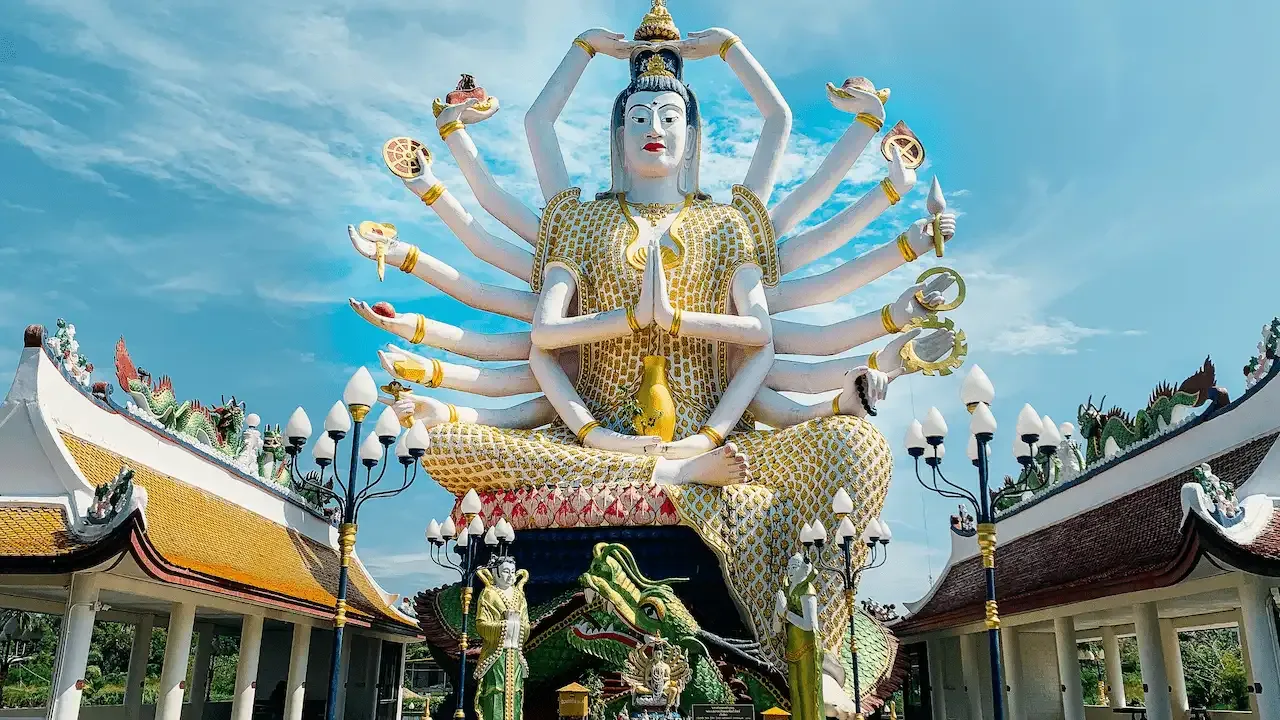
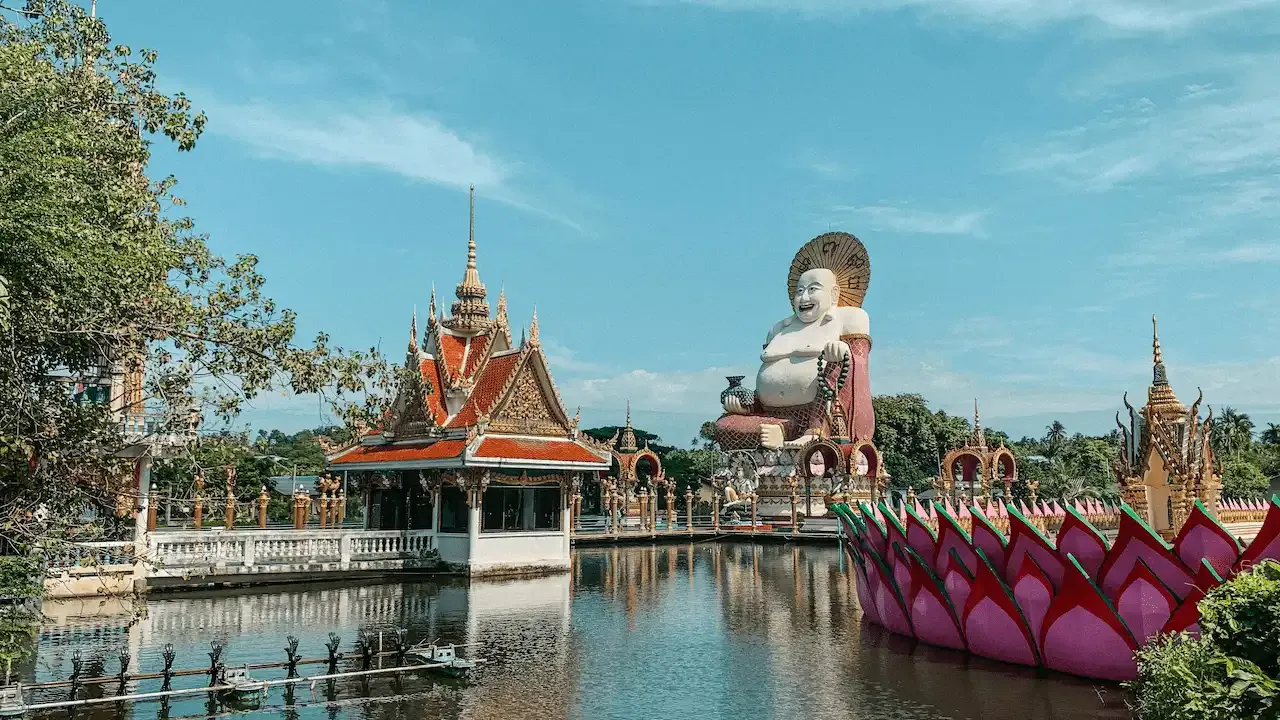
Big Buddha and Wat Plai Laem are active religious sites, not beach extensions. Bare shoulders, swimwear and very short shorts are disrespectful and can get you turned away.
Fix: Cover shoulders and knees before entering temple grounds. Carry a light sarong or shirt in your day bag.
Money & Payments
Carry cash for small places, use cards in resorts, and reject DCC by paying in THB.
-
Cash for small places
Cards work in resorts, malls and many sit-down restaurants, but cash still rules beach stalls, markets, taxis and scooter rentals. Carry THB 20, THB 50 and THB 100 notes so you are not trying to break THB 1000 [USD 28] at a food stall.
-
ATM fee is flat
ATMs are easy to find around Chaweng, Lamai, Bophut, Maenam, 7-Eleven branches and bank fronts. Foreign cards usually get hit with a Thai ATM fee of about THB 220 [USD 6] per withdrawal, before your own bank adds anything.
-
Withdraw larger amounts
Since the ATM fee is flat, fewer larger withdrawals beat lots of small ones. Many Thai ATMs cap foreign-card withdrawals around THB 20000 to THB 30000 [USD 560 to USD 840], depending on the bank and your card limit.
-
Reject DCC
At ATMs and card terminals, choose Thai baht, not your home currency. Dynamic Currency Conversion is a bad exchange-rate trap dressed up as convenience.
-
Use real exchange booths
Exchange booths in Chaweng, Lamai, Bophut and Maenam usually beat airport counters when you compare the displayed buy rate. Count the notes before leaving the counter and bring your passport for larger exchanges.
-
PromptPay needs Thai banking
PromptPay QR codes are everywhere for locals, but most tourists cannot use them without a Thai bank account. Apple Pay and Google Pay work in some card-friendly places, but cash is still the fallback outside resorts and malls.
-
Tourist tax is not settled
Thailand's tourist entry fee has been delayed more than once, and the latest proposal focuses on THB 300 [USD 8] for foreign tourists arriving by air. Do not pay a random desk or agent for this unless it appears through an airline or official payment channel.
-
International Transfers
To send money to a bank account in Thailand, for things like rent or day-to-day expenses, services like Wise or Remitly usually offer better rates than traditional banks and faster delivery.
You'll typically need the recipient's full name, account number, and SWIFT/BIC code. Some banks may also require a local address.
Costs in Koh Samui
While Koh Samui offers a more affordable lifestyle for expats than many Western cities, recent price increases mean that what was once a budget backpacker's paradise is becoming more expensive for locals and tourists alike. You can still find value by eating street food and staying in less touristy areas, but expect to pay more for accommodation and dining than you might have a few years ago.
Save money?
Sign up for our guide on how to save money on your next trip.
SIM Cards & Data
Best option for most travelers: an eSIM you set up before you arrive. You'll be online the moment you land, with no airport line and no tourist pricing.
Travel eSIMs Connect the second you land. Zero hassle. Skip the airport line and paperwork. Activate before you fly and land connected. Find the best eSIM →Prefer a local SIM?
AIS is the safest physical SIM pick for Koh Samui, with strong 4G and usable 5G around Chaweng, Lamai, Bophut and the ring road. Buy at the AIS shop in Samui Airport or at carrier shops around Central Samui in Chaweng, and bring your passport for registration. Expect weaker signal inland, on hill roads and around tucked-away villas.
What Koh Samui is Like
Koh Samui is not a little island pretending to be untouched. Around Chaweng and Lamai, it feels more like a hot coastal town with beaches attached: scooters threading past songthaews, laundry hanging behind massage shops, aircraft dropping low over the north coast, and hotel vans nosing through traffic toward the next check-in. That does not make it bad. It means the island works when you accept the machinery behind the holiday, from airport convenience to resort supply trucks to the rubbish that piles up when tourism outruns local systems. The shine has a back room.
The obvious reason to come is still the easy beach holiday, and Samui does that better than its critics admit. Choeng Mon is soft and manageable for families, Bophut gives you restaurants and a walkable evening strip, and Lamai has enough sand, food and scruff to feel less sealed inside a resort bubble. Chaweng is the loudest version, useful if you want a long beach with bars and late nights, tiring if you came to hear waves instead of speakers. Pick the wrong base and the island punishes you.
Getting around shapes the whole trip more than first-timers expect. Without a scooter, you are bargaining with taxis, waiting on ride-hailing that behaves nothing like Bangkok, or paying hotel-transfer rates for simple hops between beaches. With a scooter, you inherit blind bends, wet hill roads, sandy shoulders and tourists who learned to ride yesterday. The ring road looks simple on a map and feels longer once you are stuck behind a truck near Lamai with sunburn, groceries and a bad helmet. Distance lies here.
Food is where Samui still gives back without much ceremony. Nathon morning market is better for breakfast than another beach-club menu, with roti, grilled fish, curry trays and vendors who are not decorating the place for your camera. In Bophut, Fisherman's Village can be tourist theater, especially on market nights, but the smoke from seafood grills and kanom krok pans still does real work. Chaweng and Lamai beachfront restaurants often sell the same curry with a view surcharge. Eat one row back and the island improves.
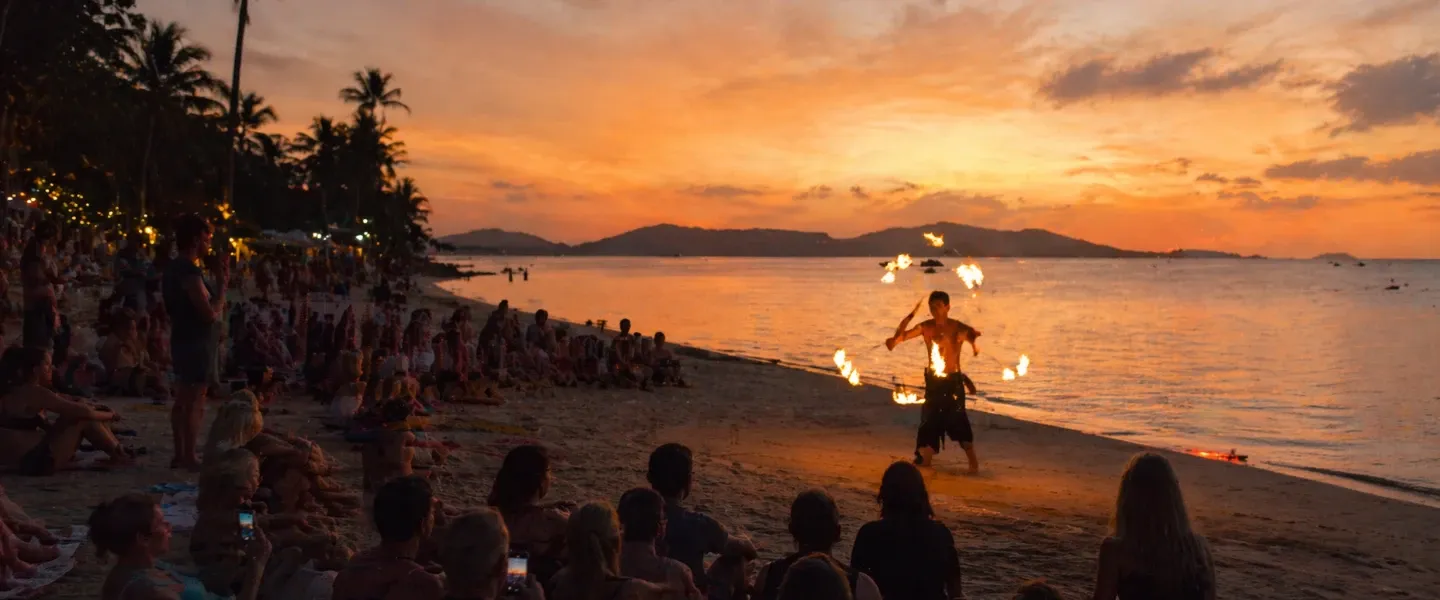
Evenings split the island sharply. Chaweng after dark is neon, beach clubs, fight-night posters, fire shows, bar girls, motorbike noise and tourists trying to keep a party going past its natural lifespan. Lamai is rougher around the edges but easier to duck out of, while Bophut is polished enough for families and couples who want dinner without a full-volume soundtrack. The quiet version of Samui exists, but it is rarely on the first street behind the famous beach. You have to choose it.
Samui is not for travelers who need wildness, silence, empty beaches or the feeling that they have outsmarted everyone else. It is for people who want a Thai island with an airport, proper hotels, good food, easy massages, boat trips when the sea behaves, and enough infrastructure to recover when a plan falls apart. The trade-off is development in your face: overbuilt hillsides, taxi markups, water strain, traffic, and views interrupted by cranes or villas. Come for ease, not innocence.
Airport Island
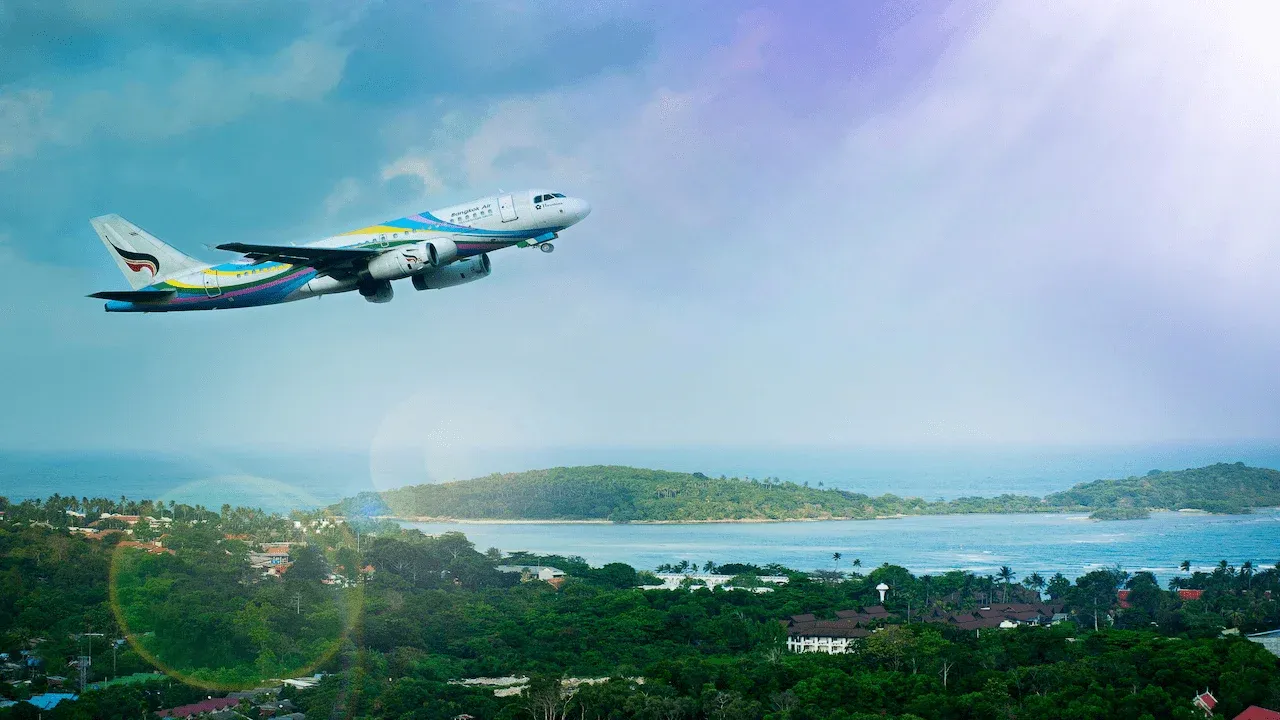
Samui Airport sets the tone before you reach your hotel. You step off the plane into a garden-terminal fantasy of thatched roofs, clipped palms and open-air carts, then hit the same island logic everywhere else: comfort is available, but someone has priced the shortcut. It is pleasant, efficient and faintly unreal, like the island has edited out the ferry-port sweat for people who want the beach without the transit story.
The airport's real power is not the architecture. It changes the kind of traveler Samui attracts. Families can land, collect bags and be in Bophut or Choeng Mon before the first child properly melts down, while short-break couples can treat the island like a long weekend rather than a logistics project. That ease is why Samui feels more packaged than Gulf islands reached by lines at the pier, plastic stools and a wet bag on your lap.
The toll is subtle until you compare routes. Flying in keeps the trip clean, but it narrows the island into resort transfers, booked dinners and beaches chosen by convenience rather than curiosity. Coming through Surat Thani and Donsak is slower, messier and cheaper, with bus seats, ferry horns and a better sense of how far Samui sits from the mainland. Neither route is morally superior. One buys ease, the other gives context.
Where to Stay in Koh Samui
- Port town, markets, ferries
Nathon
Nathon is Samui's working port town, not a beach-holiday base. Old shophouses, ferry offices, gold shops and food markets make it more useful and local-feeling than the resort coast, especially if you are arriving by boat or leaving early. The trade-off is obvious: weak beach access, fewer polished hotels and little reason to linger after dark. Stay here for function and food, not island fantasy.
Good for: Ferry connections, market food, practical stays.
Skip if: You want a resort beach or easy swimming.
- Sunsets, villas, quiet
Lipa Noi
Lipa Noi is the west-coast choice for villa stays, sunsets and families who prefer shallow water over bar-hopping. The beach is wide and gentle by Samui standards, but the area empties out quickly once you move away from your resort or villa. Restaurants and shops are limited, and every plan needs transport. That isolation is the point until it becomes the problem.
Good for: Villa stays, quiet families, sunset beach time.
Skip if: You want walkable restaurants, bars or easy island hopping.
- Quiet, long stays, north coast
Maenam
Maenam is the north-coast base for people who want Samui slowed down without being stranded. The beach runs long and quiet, the village roads have repair shops and noodle stalls mixed with guesthouses, and the ferry traffic to nearby islands sits nearby without taking over. It is not great for shopping or late nights, and some stays need a scooter or patient taxi budget.
Good for: Long stays, quiet beach time, slower routines.
Skip if: You want big nightlife, malls or white-sand polish.
- Beach, bars, value
Lamai
Lamai is the middle ground between Chaweng's full-volume strip and the quieter north coast. The beach is long, the road behind it still has bars and massage shops, and the hills inland bring villas, gyms and awkward scooter climbs. It feels cheaper and rougher around the edges than Bophut or Choeng Mon, which is part of the appeal. Do not book deep inland unless you want wheels every day.
Good for: Beach days, casual nightlife, longer stays.
Skip if: You want polished resort streets or complete silence.
- Nightlife, beach, traffic
Chaweng
Chaweng is Samui's loudest and most developed base, with the island's longest hotel strip, late bars around Soi Green Mango, malls, beach clubs and constant road noise behind the sand. It works if you want everything outside the door and do not mind taxis, touts and scooters filling every gap. The beach is useful, but the backstreets can feel like a resort town running on fumes after midnight. Stay here for access, not quiet.
Good for: Nightlife, beach bars, short airport transfers.
Skip if: You want quiet evenings or a softer island base.
- Dining, families, evenings
Bophut
Bophut is Samui's easiest evening base, built around Fisherman's Village, a polished strip of shophouses, seafood grills, boutiques and beach restaurants. It is more controlled than Chaweng and less scruffy than Lamai, which makes it popular with couples and families who want dinner without a taxi fight. Market nights bring crowds and the beach is better for views than serious swimming. You pay for the neatness.
Good for: Couples, families, easy dinners.
Skip if: You want cheap food, late clubs or empty sand.
- Families, resorts, calm water
Choeng Mon
Choeng Mon is the north-east choice for families and resort stays, with a sheltered beach, calmer water and less late-night noise than Chaweng. The area is small enough for simple meals and beach time, but it does not give you much island texture once you leave the resort gate. Food and rooms skew expensive for Samui, and the quiet can feel thin after a few nights. Book here for ease with children, not exploration.
Good for: Families, resort stays, gentle beach days.
Skip if: You want nightlife, cheap stays or a wider restaurant scene.
Frequently Asked Questions
Planning & moving around
-
How many days do I need in Koh Samui?
Three nights is enough for one beach base, a temple stop, Fisherman's Village and a lazy day by the water. Five to seven days works better if you want Ang Thong, a slower beach rhythm and time to recover from weather or boat cancellations. Longer stays make sense only if you like routine: gym, scooter, beach, market, repeat.
-
What are the best day trips from Koh Samui?
Ang Thong Marine Park is the standout day trip when the sea is calm, with kayaking, viewpoints and a full day away from resort roads. Koh Phangan and Koh Tao are close on a map, but they usually work better as overnight stops than rushed day trips. Do not book the cheapest street-desk boat if the weather looks rough.
-
What should I prioritise on Koh Samui?
Prioritise one good beach base, Big Buddha and Wat Plai Laem early in the day, Fisherman's Village for an evening, and Ang Thong if sea conditions cooperate. Do not turn Samui into a checklist of viewpoints, waterfalls and animal attractions. The island works better when you leave space for swimming, lunch and doing very little.
-
What should I do with one day in Koh Samui?
With one day, keep it tight: Choeng Mon or Lamai for beach time, Big Buddha and Wat Plai Laem for a short temple loop, then Bophut for dinner. Do not try to circle the whole island unless you enjoy sweating in traffic. A good Samui day is one beach, one cultural stop and one easy evening.
-
Which popular Koh Samui spots are overrated?
Central Chaweng disappoints people expecting a quiet island beach; it is useful, busy and commercial, not gentle. Some waterfall stops are also weak outside wetter periods, especially when paired with tour desks and souvenir lanes. Pick Choeng Mon, Silver Beach or a proper Ang Thong day instead of padding your day with every viewpoint sign.
-
Do I need a license to rent a scooter?
Yes. You need a valid license and an international driving permit with motorcycle entitlement to ride legally. Police checkpoints around Chaweng and Lamai are common, and insurance can refuse cover after a crash if you are not properly licensed.
-
What ride-hailing apps work in Koh Samui?
Grab is the main app to install, and Bolt is also worth checking when available. Reliability is weaker than in Bangkok, especially late at night or away from Chaweng, Bophut and Lamai. Local taxis often prefer flat fares, so agree the price before bags go in.
-
Where can I store luggage before a flight?
Your hotel is the safest first option, and most resorts will store bags after checkout for a few hours. For longer gaps, ask your accommodation or a tour desk rather than counting on big-city luggage apps. Samui is not built around lockers and luggage storage networks.
-
What is the biggest mistake first-time visitors make?
The biggest mistake is booking the wrong base and then blaming the island. Chaweng makes sense for nightlife and easy services, but it is a bad choice for quiet sleep, small kids or a soft beach holiday. Pick Bophut, Choeng Mon, Lamai or Maenam based on your evenings, not just the beach photo.
-
When is the worst time to visit Koh Samui?
October to December is the trap window, with November usually the roughest. Heavy rain and Gulf seas can spoil boat trips, beach days and transfers. If your trip depends on Ang Thong or calm water, choose the drier Gulf window instead.
-
Is flying to Koh Samui worth it?
For short trips, families and travelers with limited patience, yes. Samui Airport gets you to Bophut, Chaweng or Choeng Mon quickly and avoids the mainland bus-and-ferry slog. The Surat Thani route saves money but spends time.
-
Should I take the ferry route via Surat Thani?
Use the Surat Thani route if you are saving money or already traveling overland through southern Thailand. It adds bus transfers, pier waiting and ferry timing, so late arrivals can turn messy. For a short beach break, flying straight into Samui is cleaner.
-
Is Ang Thong Marine Park worth it?
Yes, when seas are calm and you book a competent operator. The day can turn miserable in rough weather, and cheap tours often feel rushed. Treat it as a weather-dependent highlight, not a guaranteed box to tick.
Safety & medical
-
Are there areas in Koh Samui I should avoid?
There are no no-go zones for normal travelers, but parts of Chaweng and Lamai get loud, messy and tout-heavy late at night. Choose your hotel street carefully if sleep matters, especially near bar clusters and beach clubs. Use a car or ride-hailing after dark instead of walking along unlit road shoulders.
-
Do I need travel insurance for Koh Samui?
Yes, especially if you plan to ride a scooter or take boat trips. Road injuries are the big practical risk, and serious medical cases can require private hospital care or transfer off the island. Buy cover that includes motorcycle use only if you are licensed for it.
-
Is Koh Samui safe for solo female travelers?
Koh Samui is workable for solo women, especially in Bophut, Choeng Mon and established resorts. The weak points are late-night Chaweng, isolated beach roads, drink spiking risk and accepting lifts from strangers after bars. Stay somewhere walkable for dinner and prearrange transport at night.
-
What happens if I get sick in Koh Samui?
Private hospitals on Samui can handle most common traveler problems, with Bangkok Hospital Samui, Bandon International Hospital and Samui International Hospital among the main names. Chaweng and Lamai have plenty of pharmacies for minor issues. For serious emergencies, call 1669 for ambulance service or use your hotel to reach the nearest private hospital fast.
-
What health risks matter most in Koh Samui?
The main risks are road injuries, stomach trouble, mosquito-borne illness, heat and rough water on bad sea days. Choose busy food stalls, use repellent, drink bottled or filtered water and do not swim far from shore when flags or staff say conditions are poor. The island feels easy until one small decision turns expensive.
-
Can you drink the tap water in Koh Samui?
No. Use bottled or filtered water for drinking and brushing teeth, especially in villas with storage tanks or older pipes. Ice in established restaurants is usually factory-made, but skip it anywhere that looks careless with basic hygiene.
-
Is Koh Samui LGBTQ+ friendly?
Koh Samui is one of the easier Thai resort islands for LGBTQ+ travelers, especially in hotels, restaurants and tourist-heavy areas. Same-sex couples are unlikely to stand out in Chaweng or Bophut, though very public affection can still draw attention in quieter local areas. There is no known pattern of police targeting LGBTQ+ tourists on the island.
-
Are mosquitoes and dengue a problem in Koh Samui?
Mosquitoes are part of the island, especially around gardens, drains, villas and after rain. Dengue exists in Thailand, so repellent is not just comfort gear. Use spray in the late afternoon and sleep with screens or air-conditioning when possible.
Laws & local norms
-
What etiquette mistakes do tourists make in Koh Samui?
The most common mistake is treating temples like beach photo stops. Cover shoulders and knees at Big Buddha and Wat Plai Laem, remove shoes where requested, and do not point your feet at Buddha images or monks. Normal beach clothing is fine on the beach, not inside temple grounds.
-
What is the temple dress code in Koh Samui?
Cover shoulders and knees at Big Buddha, Wat Plai Laem and smaller temple compounds. A sarong or light shirt in your day bag solves most problems. If you arrive in swimwear or tiny shorts, expect dirty looks or being turned away.
-
Can I vape in Koh Samui?
No. Possession and use of vapes, e-cigarettes, pods, e-liquids and heat-not-burn devices are illegal in Thailand, including Koh Samui. Tourists risk confiscation, fines, detention and court trouble, so leave it at home.
-
What are the drug laws in Koh Samui?
Thailand treats illegal drugs seriously, and small quantities can still lead to heavy penalties. Cannabis rules have tightened again, with medical-use framing and public smoking still a bad idea. Do not assume the island's relaxed beach mood protects you from police or court.
-
What are the alcohol rules in Koh Samui?
Alcohol is easy to find in bars, restaurants, resorts and convenience stores, but sales rules still matter. Current national guidance allows wider retail hours than the old afternoon ban, while licensed hotels and entertainment venues have their own permissions. Election periods and religious holidays can still bring sudden alcohol bans.
Money & costs
-
Do I need cash in Koh Samui?
Yes. Cards work in resorts, malls and many sit-down restaurants, but cash still matters for beach stalls, markets, taxis, scooter rentals and smaller shops. Carry small Thai baht notes so you are not asking a food stall to break a large bill.
-
Is Koh Samui expensive compared with other Thai islands?
Yes, especially for flights, taxis, beachfront restaurants and resort areas. Local markets and inland food can still be fairly priced, but the island is not cheap in the way first-time Thailand travelers expect. The airport convenience has a cost.
Culture & etiquette
-
What do tourists get wrong about Koh Samui?
Tourists often assume Samui is either a wild backpacker island or a luxury resort island, when it is really an airport-fed resort town spread around a ring road. That means great convenience, but also traffic, construction, taxis and infrastructure strain. Plan for ease, not discovery.
Food & drink
-
Where do locals actually eat in Koh Samui?
Nathon morning market is a better start than another resort breakfast, with roti, rice dishes, grilled snacks and vendors feeding island workers. Lamai and Maenam also have simple rice-and-curry shops if you move away from beachfront menus. Named restaurant lists age fast on Samui, so follow busy local counters rather than empty places with laminated tourist menus.
-
Which markets in Koh Samui are worth visiting?
Fisherman's Village in Bophut is the easiest evening market, especially for seafood smoke, snacks and a clean tourist setup. Nathon morning market is better for breakfast and local shopping, with less performance around it. Lamai's market area is useful if you are staying nearby, but it is not worth crossing the island for on its own.
-
Where can I eat late at night in Koh Samui?
Late-night food clusters around Chaweng first, then Lamai. Expect simple Thai plates, grills, convenience-store backup and restaurants serving bar traffic rather than careful cooking. Bophut and Choeng Mon are better for early dinners than midnight hunger.
-
What local food should I eat in Koh Samui?
Look for southern Thai curry trays, grilled fish, roti, khao yam and coconut sweets rather than living on pad thai. Gaeng tai pla is intense, salty and bitter in a way tourists either respect or run from. Markets and roadside rice shops usually beat beachfront restaurants for actual Thai food.
-
Is Koh Samui vegan-friendly?
Yes in the main tourist areas, especially Chaweng, Lamai and Bophut, where cafes and restaurants understand vegan requests. Outside those hubs, fish sauce, oyster sauce and shrimp paste creep into Thai dishes unless you ask clearly. Jay vegetarian food helps, but it is not everywhere.
-
Is Koh Samui halal-friendly?
Koh Samui has halal food, but it is not as effortless as in Muslim-majority destinations. Maenam, Bophut and Chaweng have halal restaurants and roti or satay options, while resort areas usually require more checking. Ask directly about pork, alcohol and separate cooking surfaces if that matters to you.
Families & kids
-
Is Koh Samui good for traveling with kids?
Yes, if you choose the right base and avoid overplanning. Choeng Mon, Bophut and resort-heavy beaches work better than central Chaweng for families because meals, pools and short transfers are easier. The main family headaches are heat, broken sidewalks, car seats and getting around without a scooter.
-
Is Koh Samui manageable with a stroller?
Only in small pockets. Fisherman's Village, resorts and some beachfront paths are manageable, but most roads have broken sidewalks, tight shoulders or no sidewalk at all. Bring a carrier for markets, temple stops and anything away from your hotel strip.
-
What if a child gets sick in Koh Samui?
Bangkok Hospital Samui has private emergency care and paediatric services, and resort staff are used to helping families arrange transport. Pharmacies in Chaweng and Lamai stock common children's medicines, but bring anything your child relies on. For emergencies, call 1669 and contact your insurer quickly.
-
What accommodation works best for families in Koh Samui?
Family resorts and pool villas are the easiest choices because they give you shade, space and food backup when kids crash. Ground-floor rooms or lifts matter more than sea views if you have a stroller. Avoid hillside villas unless you have a car and patient children.
-
What works for a half-day with young kids?
Pick one calm beach, one meal and one air-conditioned break. Choeng Mon and Silver Beach are better than trying to drag small kids around the whole island. For older children, a short cooking class can work, but beach and pool time beats forced sightseeing.
-
Where do families struggle most in Koh Samui?
Families struggle with heat, transport and sidewalks more than with food or attitude. Kids are welcomed almost everywhere, but taxis add up, strollers hit bad sidewalks quickly, and midday sun drains everyone. Build each day around one outing and a proper pool break.
Staying longer
-
Which area should I stay in on Koh Samui?
Chaweng is the easy answer for nightlife, malls and the longest busy beach, but it is also the loudest and most built-up base. Bophut suits couples and families who want restaurants and an evening stroll without full Chaweng noise. Choeng Mon is better for resort stays and young kids, while Lamai is a looser middle ground with bars, sand and cheaper-feeling edges.
-
Is Koh Samui good for digital nomads?
Samui works for nomads who want beach routine, decent internet and a slower base, not a dense coworking scene. Chaweng, Lamai and Bophut have the most practical services, while Maenam and Bang Por feel calmer for longer stays. It is more expensive and more spread out than northern Thai hubs, so transport costs matter.
After dark
-
What changes after dark in Koh Samui?
Chaweng gets louder, messier and more alcohol-led, while Bophut turns into a polished dinner strip and Lamai sits somewhere rougher in the middle. Quieter beaches shut down early except for resort bars. Your base matters more at night than it does at noon.
-
Is it safe to walk around Koh Samui at night?
Short walks in lit parts of Bophut, Chaweng and Lamai are usually fine. The danger rises on dark road shoulders, after drinking, or when you are walking back from beach bars with no sidewalk. Use a car for longer hops and keep valuables out of easy reach.
-
Where do nights go wrong in Koh Samui?
Nights usually go wrong with alcohol, scooters, drink spiking risk or bad transport decisions. Chaweng is the main problem zone because bars, traffic and tired tourists collide there late. Prebook a ride home and do not ride a scooter after drinking.
-
What are the best nightlife areas in Koh Samui?
Chaweng is the main nightlife strip, with beach clubs, late bars and the island's highest concentration of party traffic. Lamai has a smaller, rougher bar scene with live music and beer bars. Bophut is better for dinner, drinks and a softer night out.
-
Are there red-light districts in Koh Samui?
Yes, but they are smaller and looser than the famous adult nightlife zones in Pattaya. The visible areas are mainly parts of Chaweng and Lamai, with beer bars, touts and late-night street noise. Book away from those clusters if you want a quiet family or couple stay.