
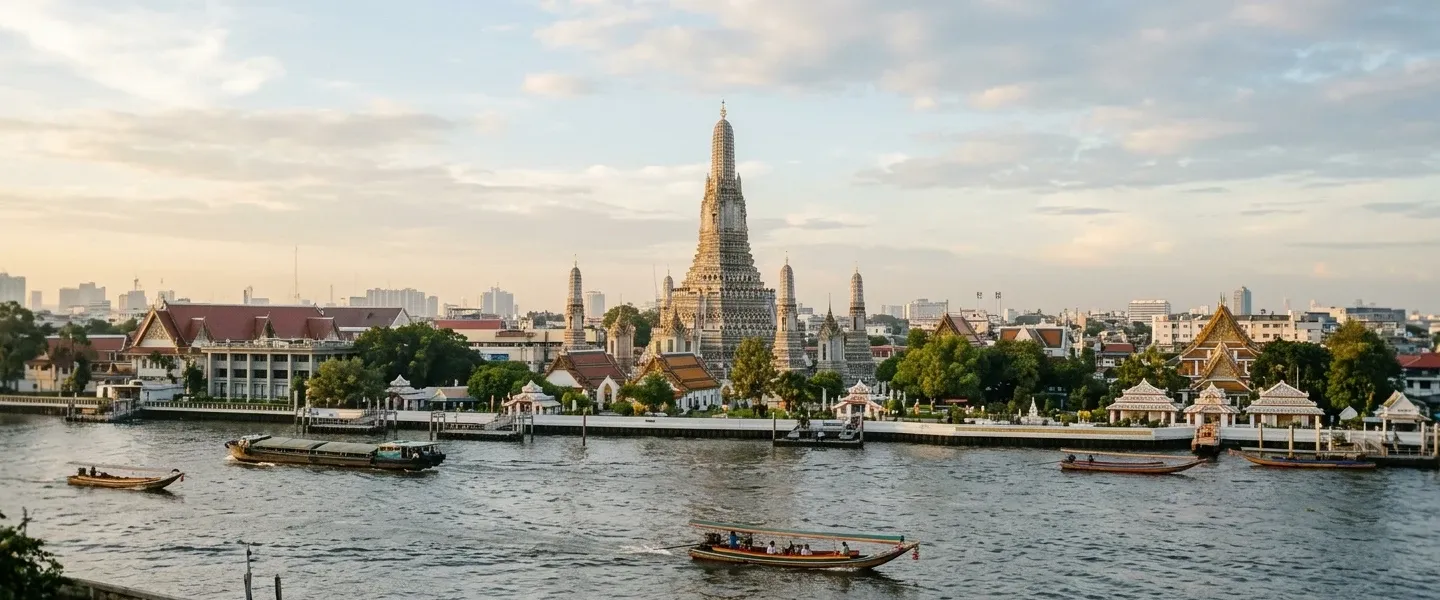
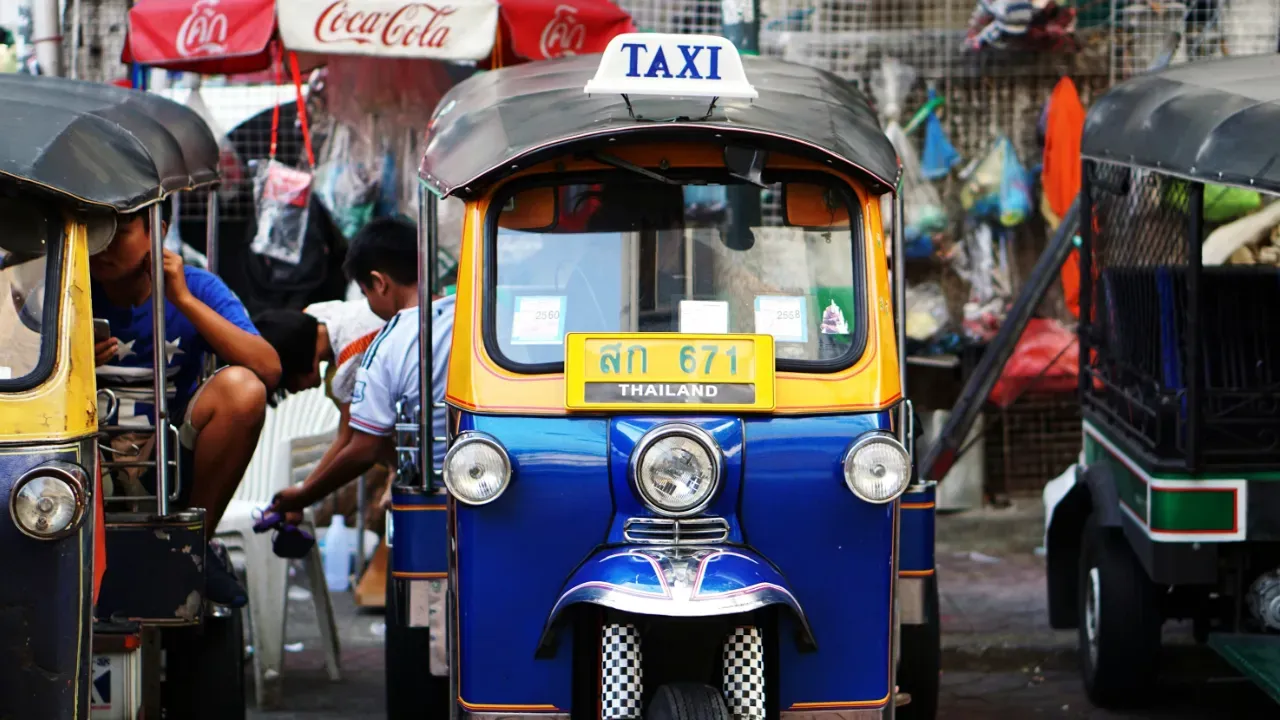
Bangkok Right Now
Flood risk is elevated in Bangkok and surrounding provinces due to heavy rainfall and a strengthening monsoon through September 13.
International Ethnic Folklore Festival in Bangkok · Bangkok
808 Festival 2026 · BITEC Bangna, Bang Na
Interest in travel to Bangkok remained about the same as a year ago, suggesting demand is holding steady.
Best time to visit Bangkok
Not the best time to visitMonsoon seasonFlooding risk
September brings frequent rain showers, but with fewer crowds. Be prepared for potential flooding due to the monsoon season. Pack an umbrella and waterproof shoes for exploring the city.
SCORE BY MONTH
November to February is the cool, dry season and the only stretch where walking the city all day is comfortable. April and May are brutally hot. September and October bring the heaviest rain and the worst flooding, with ankle-deep water on some streets after a downpour. December is the busiest month of the year.
Visitor data: Thailand Ministry of Tourism and Sports, monthly guest arrivals, Thai and foreign (2024-2025 average)
Day-to-day in Bangkok
Walkability
49/100
Walking in Bangkok means navigating a patchwork of broken, occupied sidewalks, often sharing space with fast-moving traffic. While essential services are often reachable on foot in core areas, the constant threat from motorbikes and cars demands extreme caution.
Sidewalks are often narrow, discontinuous, and frequently obstructed by vendors, parked motorbikes, and uneven surfaces.
Most tourist areas allow access to food and basic services within a 15-minute walk, though some exploration requires transport.
Motorbike density and driver disregard for pedestrians make street crossings and sidewalk walking a hazardous undertaking.
Heat and humidity make midday walks uncomfortable for most of the year. Mornings and evenings are workable.
-
Monthly cost
$1,058 / month
AFFORDABLESolo mid-range stay including rent, daily eating out, groceries, and routine costs.
-
STREET FOOD
Bangkok's street food is world-famous, with options from quick snacks to full meals available 24/7. Yaowarat (Chinatown) and the stalls outside Central World are essential stops.
-
Coworking
$147 / month
AFFORDABLEHuge scene, with dozens of spaces to choose from. Mostly concentrated in Sukhumvit, Sathorn, and Silom. Easy to find a desk any day of the week.
-
Gym
$49 / month
AFFORDABLEGyms are around average at $55 / month. Commercial chains like Fitness First and Jetts are common, alongside boutique studios. Look in Sukhumvit, Sathorn, and Thonglor.
Need to Know
- Population
- 5,456,000 DOPA · 2024 (registered)
- Currency
- Thai baht (THB)
- Language
- Thai; English common in central Bangkok, hotels and tourist areas
- Tap water
- Not safe to drink
- Time zone
- ICT (UTC+7)
- Power plug
- Type A / B / C / O, 230V
- Dialing code
- +66
- Driving side
- Left
- Tipping
- Not expected at local places; many restaurants already add a 10% service charge. Round up or leave a small tip for good service if you want.
- Internet
- Fast and reliable in most of Bangkok, with widespread 5G and fibre-backed cafe and hotel WiFi.
- Emergency
- 191 police; 1669 ambulance and medical emergency; 1155 tourist police
When not to go
-
Avoid Songkran if you hate crowds
13 Apr – 15 AprBangkok during Songkran turns large parts of the city into a multi-day water fight whether you joined willingly or not. Silom Road, Khao San Road and parts of Sukhumvit become packed with pickup trucks, speakers, alcohol and traffic that barely moves, while phones, cameras and dry clothes stop being realistic goals. Hotels fill early and the heat is brutal underneath all of it. Skip Bangkok entirely that week if you want museums, quiet meals or normal transport days.
Go here instead:
- Chiang Rai Quieter pace and less relentless street-party atmosphere during Songkran.
- Koh Chang Beach days and smaller crowds instead of inner-city water chaos.
Upcoming Events & Holidays in Bangkok
Upcoming events, next 30 days
On the horizon
Public holidays & observances, next 12 months
Dates are researched and checked, but events move. Always confirm with the official source before you book anything around them.
Getting To Bangkok
-
From Suvarnabhumi Airport (BKK)
30 to 60 min into central Bangkok
Airport Rail Link is the fastest option into the city during daytime traffic. Taxis from the official stand work fine late at night, but Sukhumvit and Silom can lock up badly after rain or during evening rush hour. Grab works reliably but pickup points move around depending on terminal crowding.
Direct flights from Suvarnabhumi
Serves 142 direct destinations, 130 international and 12 domestic, about 525 flights a day.
International 130- Hong Kong HKG Hong KongA AHK Air Hong Kong Limited
 Cathay Pacific
  Emirates
 H HGB H Homer Air H Hong Kong Airlines
 Hong Kong Express
  Thai Airways International
  United Airlines 23/day
 - Singapore SIN SingaporeK K-Mile Air
 Scoot
Scoot  Singapore Airlines Thai Airways International 20/day
 - Taipei TPE Taiwan
 China Airlines
  EVA Air
  Starlux Airlines Thai Airways International
  Thai Vietjet Air 18/day
 - Guangzhou CAN China9 9 Air Co
 China Eastern Airlines C China Postal Airlines
  China Southern Airlines K Kenya Airways K K-Mile Air
  Spring Airlines Thai Airways International 16/day
- Shanghai PVG China China Eastern Airlines
 Qantas S Shanghai Airlines Spring Airlines Thai Airways International Thai Vietjet Air 15/day
 - Ho Chi Minh City SGN Vietnam Thai Airways International Thai Vietjet Air V VAG
V VECA
VietJetAir  Vietnam Airlines 15/day
 - Seoul ICN South KoreaA Air Incheon A APZ
 Asiana Airlines
  Jeju Air
  Jin Air
  Korean Air P Perimeter Aviation Thai Airways International Thai Vietjet Air
  T'Way Air 14/day
 - Hanoi HAN Vietnam
 Ethiopian Airlines K K-Mile Air Thai Airways International
 V VAG V VECA
VietJetAir Vietnam Airlines 13/day - Yangon RGN Myanmar
 Myanmar Airways International M Myanmar National Airlines P PTW Thai Airways International 13/day
 - New Delhi DEL India
 Air India
  IndiGo Thai Airways International 10/day
 - Tokyo NRT Japan
 ANA J Japan Airlines Co.Ltd. Thai Airways International Thai Vietjet Air
  ZIPAIR Tokyo 9/day
 - Kuala Lumpur KUL Malaysia
 Malaysia Airlines Thai Airways International 9/day
 - Manila MNL Philippines
 Cebu Pacific Air
  Philippine Airlines Thai Airways International 9/day
 - Phnom Penh KTI Cambodia
 Bangkok Airways C Cambodia Airways
  Cambodia Angkor Air
 K K-Mile Air S Sky Angkor
Thai Airways International Thai Vietjet Air  Turkish Airlines 8/day
 - Shenzhen SZX China China Southern Airlines S SF Airlines
 Shenzhen Airlines 8/day
 - Mumbai BOM India Air India IndiGo Thai Airways International Thai Vietjet Air 7/day
- Beijing PEK China
 Air China
  Hainan Airlines Thai Airways International 7/day
 - Chengdu TFU China Air China C Chengdu Airlines China Eastern Airlines
S Sichuan Airlines
Spring Airlines Thai Airways International Thai Vietjet Air 7/day - Kunming KMG China China Eastern Airlines K Kunming Airlines Thai Airways International 6/day
- Doha DOH Qatar
 Qatar Airways 6/day
 - Abu Dhabi AUH United Arab Emirates
 Etihad Airways 6/day
 - Dubai DXB United Arab Emirates Emirates 6/day
- Da Nang DAD Vietnam Emirates Thai Vietjet Air Vietnam Airlines 5/day
- Dhaka DAC BangladeshB Biman Bangladesh Airlines K K-Mile Air Thai Airways International
U US-Bangla Airlines
5/day - Osaka KIX JapanJ Japan Airlines Co.Ltd.
 Peach Aviation Thai Airways International Thai Vietjet Air 5/day
 - Istanbul IST Türkiye Thai Airways International Turkish Airlines 5/day
- Vientiane VTE LaosL Lao Airlines Thai Airways International 4/day
- Jakarta CGK Indonesia Ethiopian Airlines
 Garuda Indonesia K K-Mile Air Thai Airways International 4/day
 - Xiamen XMN China
 Xiamen Airlines 4/day
 - Siem Reap SAI Cambodia Bangkok Airways Emirates 4/day
- Kolkata CCU IndiaB Bhutan Airlines IndiGo Thai Airways International Thai Vietjet Air 4/day
- Taipa MFM Macau
 Air Macau Thai Vietjet Air 4/day
 - Colombo CMB Sri LankaS SriLankan Airlines Thai Airways International 3/day
- Frankfurt FRA GermanyC Condor Thai Airways International 3/day
- London LHR United Kingdom EVA Air Thai Airways International 3/day
- Sydney SYD Australia Qantas Thai Airways International 3/day
- Chongqing CKG ChinaC Chongqing Airlines Hainan Airlines S Sichuan Airlines 3/day
- Bangalore BLR India Air India Express IndiGo Thai Airways International 3/day
- Melbourne MEL Australia
 Jetstar Thai Airways International 3/day
 - Muscat MCT OmanO Oman Air S SalamAir3/day
- Hangzhou HGH ChinaB Beijing Capital Airlines L Loong Air Thai Vietjet Air 3/day
- Nanning NNG ChinaG Guangxi Beibu Gulf Airlines G GX Airlines S Sichuan Airlines Spring Airlines 3/day
- Paris CDG FranceA Air France A Aircalin Thai Airways International 3/day
- Tel Aviv Yafo TLV IsraelA Arkia Israeli Airlines E El Al3/day
- Kathmandu KTM NepalN Nepal Airlines Thai Airways International 3/day
- Sharjah SHJ United Arab EmiratesA Air Arabia1-2/day
- Amsterdam AMS Netherlands EVA Air
 KLM Thai Airways International 1-2/day
 - Bali DPS Indonesia Thai Airways International 1-2/day
- Duong Dong PQC Vietnam Thai Vietjet Air 1-2/day
- Kaohsiung City KHH Taiwan China Airlines Thai Airways International 1-2/day
- Munich MUC Germany
 Lufthansa Thai Airways International 1-2/day
 - Zurich ZRH SwitzerlandS SWISS Thai Airways International 1-2/day
- Chennai MAA India IndiGo Thai Airways International 1-2/day
- Hyderabad HYD India IndiGo Thai Airways International 1-2/day
- Vienna VIE AustriaA Austrian EVA Air 1-2/day
- Haikou HAK China Hainan Airlines 1-2/day
- Nanjing NKG ChinaB Beijing Capital Airlines China Eastern Airlines 1-2/day
- Perth PER Australia Jetstar Thai Airways International 1-2/day
- Qingdao TAO ChinaQ Qingdao Airlines
 Shandong Airlines 1-2/day
 - Busan PUS South Korea
 Air Busan Jeju Air Jin Air 1-2/day
 - Wuhan WUH China China Eastern Airlines J JDL 1-2/day
- Tokoname NGO Japan Singapore Airlines Thai Airways International 1-2/day
- Shantou SWA China China Southern Airlines Spring Airlines 1-2/day
- Sapporo CTS Japan Thai Airways International ~1/day
- Irkutsk IKT Russia
 Aeroflot S S7 Airlines ~1/day
 - Addis Ababa ADD Ethiopia Ethiopian Airlines ~1/day
- Ahmedabad AMD India Thai Airways International ~1/day
- Brussels BRU Belgium Thai Airways International ~1/day
- Copenhagen CPH Denmark Thai Airways International ~1/day
- Helsinki HEL FinlandF Finnair~1/day
- Luang Phabang LPQ Laos Bangkok Airways ~1/day
- Manama BAH BahrainG Gulf Air~1/day
- Mandalay MDL Myanmar Myanmar Airways International ~1/day
- Milan MXP Italy Thai Airways International ~1/day
- Oslo OSL Norway Thai Airways International ~1/day
- Penang PEN Malaysia Thai Airways International ~1/day
- Stockholm ARN Sweden Thai Airways International ~1/day
- Beijing PKX China China Eastern Airlines Thai Vietjet Air ~1/day
- Xianyang XIY China Spring Airlines ~1/day
- Jeddah JED Saudi Arabia
 Saudi Arabian Airlines ~1/day
 - Lahore LHE Pakistan Thai Airways International ~1/day
- Nha Trang CXR Vietnam Thai Vietjet Air ~1/day
- Almaty ALA KazakhstanA Air Astana~1/day
- Angeles City CRK Philippines Cebu Pacific Air ~1/day
- Bandar Seri Begawan BWN BruneiR Royal Brunei Airlines~1/day
- Brisbane BNE Australia Jetstar ~1/day
- Karachi KHI Pakistan Thai Airways International ~1/day
- Moscow SVO Russia Aeroflot ~1/day
- Fukuoka FUK Japan Thai Airways International 5/week
- Krasnoyarsk KJA Russia Aeroflot 5/week
- Paro PBH BhutanB Bhutan Airlines D Drukair5/week
- Riyadh RUH Saudi Arabia Saudi Arabian Airlines 5/week
- Ningbo NGB China Spring Airlines 5/week
- Islamabad ISB Pakistan Thai Airways International 4/week
- Kuwait City KWI Kuwait
 Kuwait Airways 4/week
 - London LGW United KingdomB British Airways4/week
- Nairobi NBO KenyaK Kenya Airways4/week
- Nouméa NOU New CaledoniaA Aircalin4/week
- Sanya SYX ChinaC Condor4/week
- Ashgabat ASB TurkmenistanT Turkmenistan Airlines3/week
- Khabarovsk KHV Russia Aeroflot 3/week
- St Denis RUN RéunionA Air Austral3/week
- Tashkent TAS UzbekistanU Uzbekistan Airways3/week
- Vancouver YVR Canada
 Air Canada 3/week
 - Vladivostok VVO Russia Aeroflot 3/week
- Fuzhou FOC China Spring Airlines 3/week
- Guiyang KWE China9 9 Air Co3/week
- Jinan TNA China Shandong Airlines 3/week
- Lijiang LJG ChinaR Ruili Airlines3/week
- Luoyang LYA ChinaU Urumqi Airlines3/week
- Amman AMM JordanR Royal Jordanian2/week
- Bhubaneswar BBI India IndiGo 2/week
- Guwahati GAU IndiaD Drukair2/week
- Novosibirsk OVB Russia Aeroflot 2/week
- Pune PNQ India Air India Express 2/week
- Shymkent CIT KazakhstanS SCAT Airlines2/week
- Siliguri IXB IndiaD Drukair2/week
- Tehran IKA IranM Mahan Air2/week
- Changsha CSX China Xiamen Airlines 2/week
- Ordos DSN China Thai Vietjet Air 2/week
- Wuxi WUX China Thai Vietjet Air 2/week
- Yuncheng YCU China Shenzhen Airlines 2/week
- Cincinnati CVG United States Singapore Airlines 1/week
- Jebel Ali DWC United Arab Emirates Emirates 1/week
- Madrid MAD SpainE Evelop Airlines1/week
- Rome FCO ItalyI ITA Airways1/week
- Tokyo HND Japan
 Japan Airlines 1/week
 - Varanasi VNS India Air India Express 1/week
- Xining XNN China Thai Vietjet Air 1/week
- Yichang YIH ChinaA Air Changan1/week
Within Thailand 12
- Ko Samui USM Bangkok Airways 30/day
- Phuket HKT Bangkok Airways
 Thai AirAsia Thai Airways International Thai Vietjet Air 27/day
 - Chiangmai CNX Bangkok Airways Thai AirAsia Thai Airways International Thai Vietjet Air 24/day
- Hat Yai HDY Thai Airways International Thai Vietjet Air 7/day
- Khon Kaen KKC Thai Airways International Thai Vietjet Air 7/day
- Udon Thani UTH Thai Airways International Thai Vietjet Air 6/day
- Chiang Rai CEI Thai Airways International Thai Vietjet Air 6/day
- Krabi KBV Bangkok Airways Thai Airways International Thai Vietjet Air 6/day
- Ubon Ratchathani UBP Thai Airways International Thai Vietjet Air 4/day
- Surat Thani URT Thai Vietjet Air 1-2/day
- Nakhon Si Thammarat NST Thai Vietjet Air ~1/day
- Rayong UTPP PTW3/week
Nonstop routes only. Flights per day are an average, each way. Data: AeroDataBox, updated July 2026.
Visa rules apply at the country level. See the full Thailand visa guide, with every visa and its official do-it-yourself cost. -
-
From Don Mueang Airport (DMK)
35 to 70 min into central Bangkok
DMK handles most domestic low-cost flights and a chunk of regional budget traffic. The SRT Red Line avoids the worst road congestion, especially if you are heading toward BTS or MRT connections. Taxi lines move faster here than BKK but traffic into Sukhumvit still gets ugly after mid-afternoon.
Direct flights from Don Mueang
Serves 67 direct destinations, 55 international and 12 domestic, about 200 flights a day.
International 55- Kuala Lumpur KUL Malaysia AirAsia
 Malindo Air 11/day
 - Yangon RGN Myanmar Myanmar Airways International Thai AirAsia 4/day
- Jakarta CGK Indonesia Batik Air
 Citilink Indonesia AirAsia
  Thai Lion Air 4/day
 - Da Nang DAD Vietnam Thai AirAsia 3/day
- Ho Chi Minh City SGN Vietnam Thai AirAsia 3/day
- Taipei TPE Taiwan Thai AirAsia Thai Lion Air 3/day
- Hanoi HAN Vietnam Thai AirAsia 1-2/day
- Penang PEN Malaysia Thai AirAsia 1-2/day
- Singapore SIN Singapore Thai AirAsia Thai Lion Air 1-2/day
- Siem Reap SAI Cambodia Thai AirAsia 1-2/day
- Manila MNL Philippines Cebu Pacific Air Philippines AirAsia 1-2/day
- Kaohsiung City KHH Taiwan Thai AirAsia Thai Lion Air 1-2/day
- Senai JHB Malaysia Thai AirAsia 1-2/day
- Taipa MFM Macau Thai AirAsia Thai Lion Air 1-2/day
- Duong Dong PQC Vietnam Thai AirAsia 1-2/day
- Tokyo NRT Japan Thai AirAsia X 1-2/day
- Vientiane VTE Laos Thai AirAsia 1-2/day
- Chennai MAA India Thai AirAsia ~1/day
- Chongqing CKG China Thai AirAsia ~1/day
- Mandalay MDL Myanmar Myanmar Airways International ~1/day
- Chengdu TFU China Thai AirAsia Thai Lion Air ~1/day
- Bali DPS Indonesia Thai AirAsia Thai Lion Air ~1/day
- Guangzhou CAN China Thai AirAsia Thai Lion Air ~1/day
- Hong Kong HKG Hong Kong Thai AirAsia Thai Lion Air V VistaJet ~1/day
- Luang Phabang LPQ Laos Thai AirAsia ~1/day
- Malé MLE Maldives Thai AirAsia ~1/day
- Colombo CMB Sri Lanka Thai AirAsia ~1/day
- Fukuoka FUK Japan Thai AirAsia ~1/day
- Naha OKA Japan Thai AirAsia Thai Lion Air ~1/day
- Shenzhen SZX China Thai AirAsia Thai Lion Air ~1/day
- Bangalore BLR India Thai AirAsia 5/week
- Dubai DXB United Arab EmiratesF flydubai5/week
- Kochi COK India Thai AirAsia 5/week
- Lapu CEB Philippines Cebu Pacific Air 5/week
- New Delhi DEL India Thai AirAsia X 5/week
- Osaka KIX Japan Thai AirAsia X 5/week
- Phnom Penh KTI Cambodia Thai AirAsia 5/week
- Seoul ICN South Korea Thai AirAsia 5/week
- Subang SZB Malaysia Malindo Air 5/week
- Wuhan WUH China Thai AirAsia 5/week
- Changsha CSX China Thai AirAsia 4/week
- Hangzhou HGH China Thai AirAsia 4/week
- Kolkata CCU India Thai AirAsia 4/week
- Kunming KMG China Thai AirAsia 4/week
- Almaty ALA Kazakhstan Thai AirAsia X 3/week
- Nha Trang CXR Vietnam Thai AirAsia 3/week
- Townsville TSV Australia Thai AirAsia 3/week
- Sapporo CTS Japan Thai AirAsia X 2/week
- Ahmedabad AMD India Thai Lion Air 1/week
- Bandar Seri Begawan BWN BruneiA Aotga Ground Handling1/week
- Jebel Ali DWC United Arab EmiratesD DCU1/week
- London STN United KingdomC Comlux Aruba1/week
- Paris ORY France Thai Airways International 1/week
- Shanghai PVG China Thai Lion Air 1/week
- Tashkent TAS Uzbekistan Malindo Air 1/week
Within Thailand 12
- Chiangmai CNX
 Nok Air Thai AirAsia Thai Lion Air 24/day
 - Phuket HKT Nok Air Thai AirAsia Thai Lion Air 20/day
- Hat Yai HDY Nok Air Thai AirAsia Thai Lion Air 18/day
- Surat Thani URT Nok Air Thai AirAsia Thai Lion Air 11/day
- Chiang Rai CEI Nok Air Thai AirAsia Thai Lion Air 10/day
- Udon Thani UTH Nok Air Thai AirAsia Thai Lion Air 10/day
- Nakhon Si Thammarat NST Nok Air Thai AirAsia Thai Lion Air 9/day
- Khon Kaen KKC Thai AirAsia Thai Lion Air 9/day
- Ubon Ratchathani UBP Nok Air Thai AirAsia Thai Lion Air 8/day
- Krabi KBV Nok Air Thai AirAsia Thai Lion Air 7/day
- Ko Samui USM Bangkok Airways 3/day
- Bangkok BKK Thai Airways International 1/week
Nonstop routes only. Flights per day are an average, each way. Data: AeroDataBox, updated July 2026.
-
-
Train from Chiang Mai
10 to 14 hr overnight rail journey
The overnight sleeper remains one of the better overland routes into Bangkok if you want to avoid airports. Most long-distance services now terminate at Krung Thep Aphiwat Central Terminal, not Hua Lamphong. Lower berths are worth paying extra for because they are wider and less claustrophobic.
-
Bus from Pattaya
2 to 3 hr depending on Bangkok traffic
Pattaya minibuses are faster but cramped with luggage and stop unpredictably around Bangkok. The larger Roong Reuang coaches into Ekkamai are slower but less stressful. Avoid Friday evening departures unless you enjoy sitting still on the motorway.
Safety Advice
Bangkok is generally safe with low violent crime, but petty theft and scams are common in tourist areas. Be aware of the chaotic traffic, as road accidents are frequent.
Common Scams in Bangkok
-
Grand Palace is closed
HIGH RISKTrigger:A stranger says the Grand Palace is closed today
You get redirected into a tuk tuk ride to smaller temples, gem shops or tailor stores paying driver commissions. This clusters around the Grand Palace, Wat Pho and Sanam Luang.
How to avoid: Walk straight to the entrance and check signage yourself. Ignore anyone discussing closures before you reach the gate.
-
ATM withdrawal distraction
HIGH RISKTrigger:Someone tries talking while you use the ATM
Distraction teams around tourist nightlife areas watch for travelers handling large cash withdrawals. The goal is usually card theft or grabbing unattended cash.
How to avoid: Use ATMs inside malls or bank branches. Put cash and cards away before leaving the machine.
-
Tuk tuk shop detour
MEDIUM RISKTrigger:A driver offers a city tour for almost nothing
The ride turns into a chain of stops at tailor shops, souvenir stores and gem dealers pushing overpriced products. Drivers get fuel coupons or cash commissions for every stop.
How to avoid: State your destination and no shopping stops before getting in. Walk away from fares that sound unrealistically cheap.
-
Bar tab padding
MEDIUM RISKTrigger:Staff insist you ordered more drinks
Some late-night bars around Nana Plaza and Patpong quietly add drinks or inflated hostess charges onto tabs. Arguments escalate fast once security gets involved.
How to avoid: Check prices before sitting down and pay per round when possible. Avoid bars without printed menus.
-
Gem or tailor scam
MEDIUM RISKTrigger:Someone says you can resell gems for easy profit
Sales staff pressure travelers into buying low-quality gems or inflated custom clothing using fake export stories and fake satisfied customers. The shops tied to tuk tuk routes are the worst offenders.
How to avoid: Buy gems only from established retailers you researched yourself. Never follow a stranger or driver into a showroom.
-
Taxi meter manipulation
LOW RISKTrigger:A taxi driver refuses to start the meter
Drivers around Nana, Khao San Road and the airports sometimes quote inflated flat fares or take slower routes through traffic. Late night arrivals get targeted most often.
How to avoid: Use Grab, Bolt or insist on the meter before the car moves. Leave immediately if the driver argues.
Mistakes to Avoid
-
Not wearing a helmet
SERIOUS CONSEQUENCEMotorbike crashes in Bangkok regularly send travelers to hospital, especially at night or during rain. Police also fine riders and passengers without helmets.
Fix: Wear a proper helmet every ride. If the driver hands you a cracked toy helmet, get another bike.
-
Drinking tap water
SERIOUS CONSEQUENCEBangkok's treated water still passes through aging pipes and regularly causes stomach problems for visitors. Losing two days of a short trip to food poisoning is common.
Fix: Use bottled or filtered water for drinking and brushing teeth. Ice from established restaurants is usually factory made and fine.
-
Underestimating traffic
SERIOUS CONSEQUENCERoad traffic around Sukhumvit, Silom and the river can freeze completely during rush hour or storms. Travelers miss flights because a short map distance turns into a two hour taxi crawl.
Fix: Use BTS or MRT whenever possible and leave early for airports. Avoid crossing the city by car after mid-afternoon.
-
Forgetting ATM card
MINOR CONSEQUENCEThai ATMs usually eject cash before returning the card, which catches tired travelers off guard. Cards left behind often get swallowed by the machine.
Fix: Wait for the card before touching your cash. Step aside afterward to organize money and receipts.
-
Inappropriate temple attire
The Grand Palace and major temples turn away visitors wearing shorts, crop tops or exposed shoulders. Rental cover-ups near entrances are overpriced and sweaty.
Fix: Carry light trousers or a long skirt plus a shirt covering shoulders. Thin linen works better than denim in the heat.
-
Eating on public transport
Food and drinks are banned inside BTS and MRT paid areas, including coffee cups and bottled water. Locals usually keep quiet, but staff do stop people.
Fix: Finish snacks before the ticket gates. Use station seating areas if traveling with kids who need breaks.
Money & Payments
Carry small THB cash, use cards in malls and hotels, and always pay in local currency.
-
Cash for markets and taxis
Cash still dominates at street food stalls, Chatuchak vendors, smaller massage shops and many taxis or tuk tuks. Carry ฿500-1000 (14-27 USD) in smaller notes because drivers and market sellers often refuse large bills.
-
Cards for malls and hotels
Visa and Mastercard work reliably at malls like Siam Paragon and ICONSIAM, chain restaurants and most hotels. American Express works at more places than before through Bangkok Bank, but smaller restaurants still reject it regularly.
-
ATMs across the city
ATMs are everywhere in Bangkok, including BTS stations, malls, 7-Eleven branches and bank storefronts. Bangkok Bank, Kasikorn, SCB and Krungthai machines are the easiest to find.
-
ATM fees and limits
Most Thai ATMs charge foreign cards around ฿220 (6 USD) per withdrawal. AEON machines sometimes charge less at around ฿150 (4 USD), while withdrawal limits are usually ฿20000-30000 (540-810 USD) depending on the bank.
-
Reject dynamic conversion
Thai ATMs and card terminals often push dynamic currency conversion with inflated exchange rates designed to extract more money from tourists. Always choose to pay in THB instead of your home currency.
-
Use SuperRich exchange booths
SuperRich Thailand branches in Pratunam, Asok and major malls usually beat airport and hotel exchange counters by a noticeable margin. Bring your passport because exchange booths require ID for transactions.
-
PromptPay via TAGTHAi
PromptPay QR payments are standard across Bangkok, including cafes and market stalls that no longer want cards. Tourists can access the system through the TAGTHAi app linked to a PAY&TOUR prepaid card from KBank FX booths.
-
International Transfers
To send money to a bank account in Thailand, for things like rent or day-to-day expenses, services like Wise or Remitly usually offer better rates than traditional banks and faster delivery.
You'll typically need the recipient's full name, account number, and SWIFT/BIC code. Some banks may also require a local address.
Costs in Bangkok
Bangkok remains a very affordable city for visitors, especially if you stick to the delicious street food and utilize the efficient public transport. However, local Thais are feeling the pinch from rising energy and production costs, which are starting to push up prices for everyday essentials.
Save money?
Sign up for our guide on how to save money on your next trip.
SIM Cards & Data
Best option for most travelers: an eSIM you set up before you arrive. You'll be online the moment you land, with no airport line and no tourist pricing.
Travel eSIMs Connect the second you land. Zero hassle. Skip the airport line and paperwork. Activate before you fly and land connected. Find the best eSIM →Prefer a local SIM?
Bangkok has strong 4G coverage and fast 5G across most tourist areas, including Sukhumvit, Siam, Silom and Riverside districts. eSIM works well if your phone supports it, but local physical SIMs are still easy to buy at Suvarnabhumi Airport, Don Mueang Airport and mall branches of AIS, True and dtac. Airport kiosks are convenient but usually more expensive than city mall stores. Passport registration is mandatory and activation normally takes a few minutes.
What Bangkok is Like
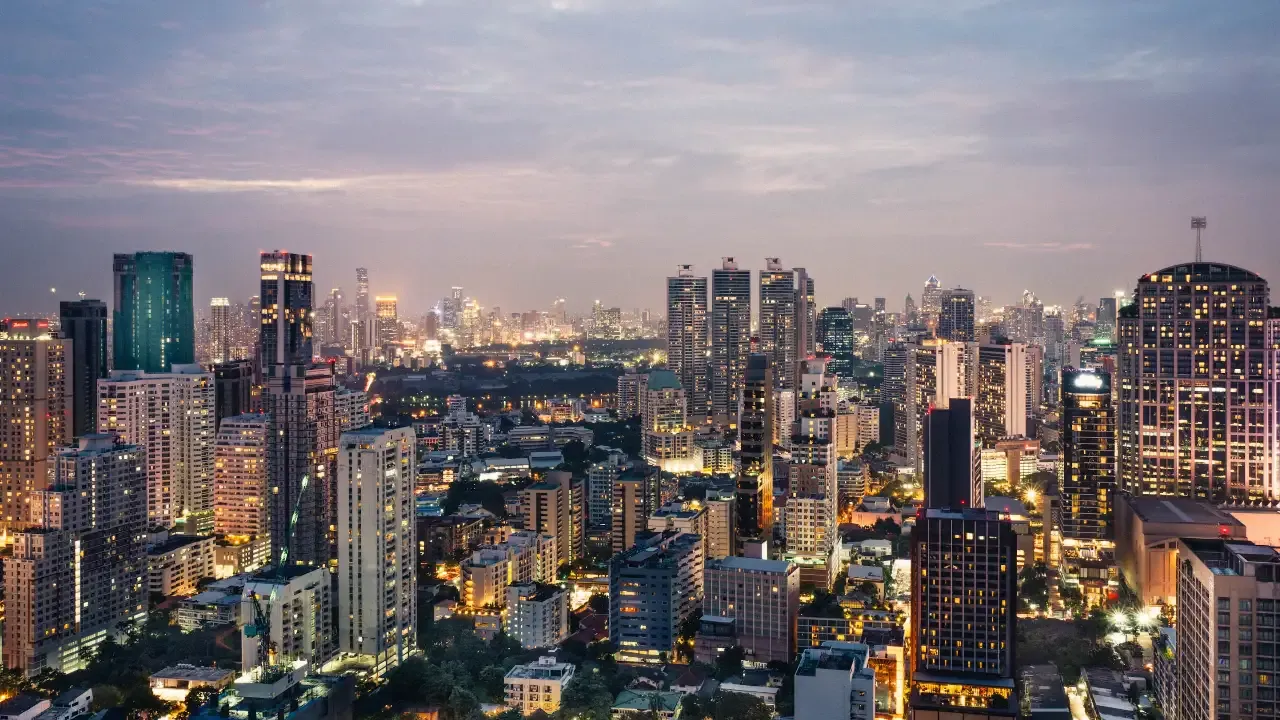
Bangkok looks chaotic on the surface, but it becomes surprisingly legible once you understand how the city actually moves. The first impression is humidity trapped between concrete towers, traffic that barely clears one light cycle at a time, and roads permanently half-occupied by delivery bikes, construction barriers and parked vans. Projects like the Orange Line extension have turned parts of Phetchaburi and Rama IX into long-term work sites, adding another layer of noise and dust to streets already under pressure. Judged from the sidewalk, the city can feel exhausting and badly organized. That reading is incomplete.
Everything changes once you stop treating Bangkok like a car city. The BTS and MRT are the real structure underneath the mess, carrying office workers, students, mall crowds and tourists above or below roads that barely function by late afternoon. Stations around Asok, Siam and Sala Daeng become packed enough that people line up in lanes just to board, but the system still beats sitting in Sukhumvit traffic watching a three kilometer ride take an hour. Travelers who enjoy Bangkok usually build their days around train lines and walkable pockets rather than trying to cross the city constantly. The city punishes inefficient routing.
Food here is less romantic than a lot of travel writing wants it to be. Some of the best meals happen under fluorescent lighting beside motorcycle repair shops or inside aging shophouses where nobody speaks much English and the menu has barely changed in years. Yaowarat still earns its reputation, especially late at night when the seafood grills fire up and the side alleys fill with lines, but whole stretches of the city operate at that same level without the cameras and tour groups. In Ari, old women still sell curries from metal trays before office workers flood the sidewalks. In Bang Rak, lunch crowds move with the efficiency of factory shifts. Bangkok eats constantly.
Muay Thai sits in a strange space here, somewhere between working-class sport, tourist spectacle and national theater. Rajadamnern has cleaned itself up for international visitors with lighting effects and online ticketing, while Lumpinee feels more detached from the city than it once did after moving away from central Bangkok. The serious gambling crowd still changes the atmosphere entirely once the later fights begin, especially when the odds swing mid-round and whole sections start shouting at once. A lot of travelers only encounter Muay Thai through rooftop fitness gyms and influencer classes. The real thing smells like liniment oil and wet concrete.
Sukhumvit often becomes the default version of Bangkok for foreigners because so many expats never leave it. Between Nana and Phrom Phong you can live for months inside a loop of condos, Japanese supermarkets, sports bars, weed shops and air-conditioned malls without learning much about the rest of the city. Parts of it feel closer to a long-running international layover than Thailand. That does not make it fake, just narrow. Areas like Thonglor and Ekkamai pull in wealthier locals and long-term residents who know exactly which bars, clinics and noodle shops they trust, while places further out along the BTS start feeling residential fast. Bangkok changes dramatically every few stations.
The city's red light districts are less shocking than many first-time visitors expect, mostly because they now stand beside ordinary life instead of apart from it. Nana Plaza, Soi Cowboy and parts of Patpong are packed with tourists taking photos, retirees drinking early and workers treating the whole thing like a normal shift job. Some travelers find the atmosphere depressing almost immediately, others barely notice it once they step a block away into regular traffic and food stalls. Bangkok rarely hides its transactional side, whether that means nightlife, luxury malls or cosmetic surgery clinics stacked beside train stations.
Air quality is the downside people underestimate because it arrives slowly rather than dramatically. Some mornings the skyline around Benjakitti Park looks clear enough to forget the issue exists, then a week later the haze settles in and even short walks feel heavier than they should. People living here long term track AQI readings the same way others check rain forecasts. Visitors staying only a few days often ignore it entirely until they start waking up with sore throats after spending too much time beside traffic. Bangkok works best when you treat indoor breaks as part of the rhythm rather than a failure of the trip.
The Hangover
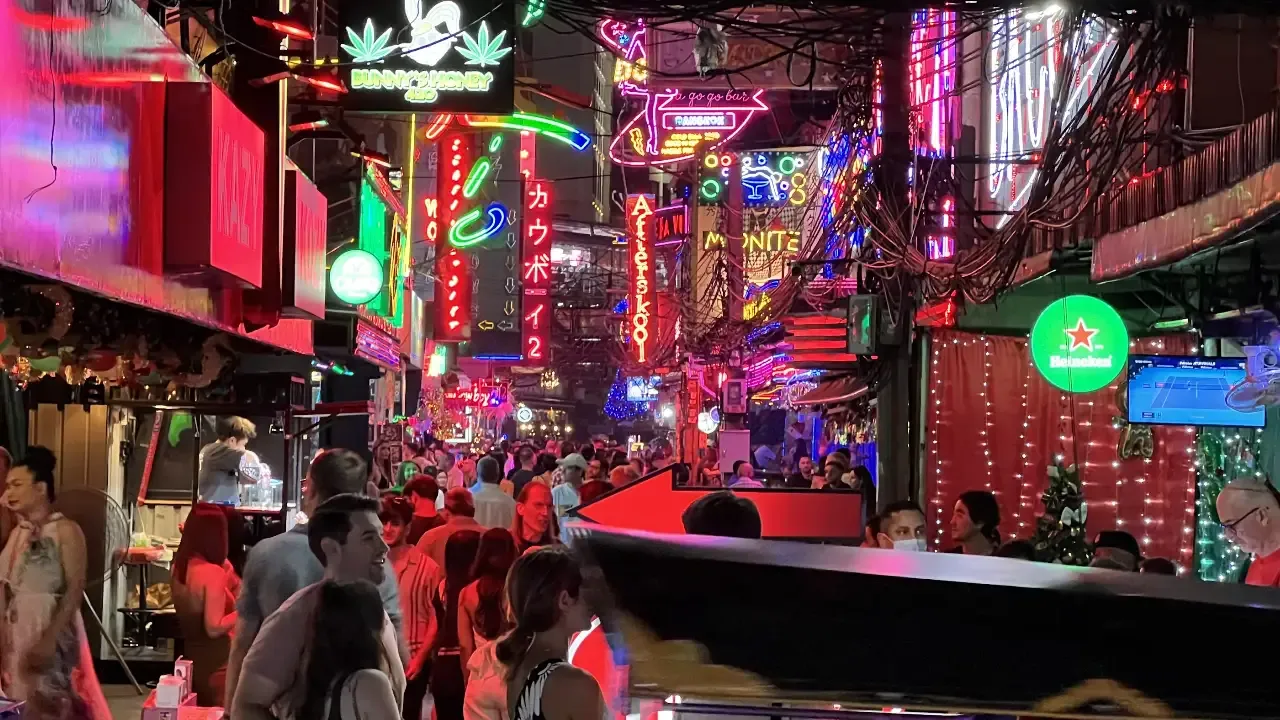
The strange thing about The Hangover Part II is that it captured a version of Bangkok many visitors still arrive expecting to find: dangerous, sleepless, sexually chaotic and permanently one bad decision away from collapse. The film pushes everything into caricature, but the locations worked because they already carried that atmosphere. Sukhumvit after midnight really does feel disorienting the first time you walk it jet-lagged and overheated, especially around Nana where neon signs stack above massage shops, Irish pubs and late-night kebab counters. The movie exaggerated Bangkok. It did not invent it.
Most people start with Lebua State Tower because of the rooftop scenes, and honestly, it still works despite becoming a full-time pilgrimage site for film fans. The problem is timing. Arrive around sunset and the elevators clog with people taking identical photos against the gold dome before immediately leaving again. Late evening is better, once the selfie crowd burns off and the river starts looking calmer beneath the expressway lights. Nearby Silom Road feels very different from the movie version now, cleaner and more corporate in places, but the energy returns the second you drift into older side streets with grilled pork smoke hanging over the sidewalk.
Soi Cowboy probably changed the most after the film. What used to feel rougher and more improvised now operates almost like a controlled entertainment zone built around tourists recreating scenes they half remember. The bright signs remain, but the atmosphere feels less dangerous than many visitors expect and more transactional in the bluntest possible way. Nana Plaza still carries more edge simply because it sprawls vertically and never fully settles into one mood. Some travelers find both areas depressing within fifteen minutes. Others treat them like anthropological fieldwork with beer.
The movie also locked Bangkok into a certain Western fantasy that locals often find exhausting. Taxi drivers still hear references to the film from drunk visitors who think they are participating in the city correctly by behaving badly. Meanwhile the real Bangkok kept evolving around that image. Chinatown became more polished, rooftop bars multiplied across the skyline, cannabis shops appeared almost overnight, and entire neighborhoods around Ari and Phra Khanong shifted toward cafes, condos and younger Thai professionals. The Hangover version of Bangkok still exists in fragments. It is just no longer the whole story.
Where to Stay in Bangkok
- Shopping, transport, malls
Siam
Siam revolves around giant malls, elevated walkways and constant foot traffic moving between MBK, Siam Paragon and CentralWorld. It feels more like a commercial core than a neighborhood, but the BTS connections are excellent and the air-conditioned escape matters during Bangkok afternoons. Street life here exists mostly in fragments between shopping complexes and office towers. Travelers who stay in Siam usually care more about transport efficiency than atmosphere.
Good for: Shopping, BTS access, concerts, central location.
Skip if: You want local street life or quieter evenings.
- Temples, history, river access
Rattanakosin (Old City)
Rattanakosin is the version of Bangkok most visitors picture before arriving: temple roofs, old shophouses, ferries crossing the river and monks moving through alleyways before the heat sets in. Staying here means early access to the Grand Palace and Wat Pho before tour groups flood in, plus evenings that calm down once day-trippers leave. Hotel choices lean toward guesthouses and smaller boutique properties rather than towers with rooftop pools. Public transport still lags behind the rest of central Bangkok.
Good for: Temple visits, walking routes, river ferries, slower evenings.
Skip if: You want fast BTS access or late-night nightlife districts.
- Backpackers, nightlife, cheap stays
Khao San Road / Banglamphu
Khao San Road is less a neighborhood than a permanent backpacker carnival built around buckets, tattoo shops and loud music that leaks into nearby streets until morning. The smarter move is staying deeper inside Banglamphu where canal-side guesthouses, old shophouses and local restaurants soften the chaos without isolating you from it. Transport remains the biggest weakness because neither the BTS nor MRT reaches here directly. River boats help more than taxis once traffic locks up.
Good for: Backpacker scene, nightlife, cheap guesthouses, Old City access.
Skip if: You want polished hotels, quiet sleep or efficient city transport.
- Riverfront, luxury, quieter nights
Riverside
Riverside Bangkok trades BTS convenience for space, skyline views and hotels that feel detached from the traffic pressure inland. Ferries replace taxis for a lot of movement, especially around Sathorn Pier and IconSiam, and evenings cool down faster beside the water. Some stretches feel isolated once ferry traffic slows, so choosing the right pier connection matters more than the exact hotel brand. The area suits travelers who want Bangkok intensity during the day but not outside the window at midnight.
Good for: River views, luxury hotels, ferries, slower evenings.
Skip if: You want fast nightlife access or walkable BTS-heavy neighborhoods.
- Street food, markets, nightlife
Chinatown (Yaowarat)
Yaowarat is at its best after dark, when seafood grills fire up, scooters squeeze through impossible gaps and entire sidewalks disappear under lines for food. Bangkok's Chinatown is still worth wandering, especially once you leave the main road and drift into gold shop alleys, old medicine stores and tiny bars hidden above shophouses. Hotels have improved a lot in recent years, though many streets remain noisy deep into the night. The MRT finally made the area easier to use as a base instead of just a dinner stop.
Good for: Street food, night walks, bars, older Bangkok atmosphere.
Skip if: You need quiet sleep or wide open sidewalks.
- Nightlife, LGBTQ+, city parks
Silom
Silom shifts constantly through the day, office workers and bank towers in the morning, food carts and bars by evening, late-night crowds around Patpong and Soi 4 after dark. Lumphini Park gives the district breathing room that Sukhumvit often lacks, and the BTS plus MRT intersection makes moving around easier. Parts of Patpong feel tired and aggressively tourist-focused now, but the backstreets still have some of the city's best casual eating. Silom works best for travelers who want Bangkok at full speed without living directly inside party streets.
Good for: Central location, nightlife, parks, strong public transport.
Skip if: You want quiet nights or low-rise neighborhood streets.
- Cafes, residential, local life
Ari
Ari feels noticeably calmer than central Sukhumvit without becoming sleepy, with low-rise side streets, cafe clusters and office workers spilling into noodle shops around lunchtime. It attracts Bangkok residents more than short-term tourists, which changes the rhythm completely once the workday ends. The BTS keeps the rest of the city reachable while letting you come back somewhere quieter at night. Ari works best for repeat visitors who no longer need Bangkok to perform constantly.
Good for: Cafes, quieter stays, local restaurants, repeat visitors.
Skip if: You want nightlife districts or immediate access to major sights.
- Nightlife, shopping, BTS access
Sukhumvit
Sukhumvit stretches for miles and changes personality every few stations, from Nana's beer bars to the Japanese-heavy blocks around Phrom Phong and Thonglor. Most first-time visitors end up here because the BTS cuts through the middle and hotels exist at every comfort level. Walking looks easy on maps until the heat, traffic and broken sidewalks start slowing everything down. Stay close to a BTS station or the area becomes exhausting fast.
Good for: Nightlife, malls, rooftop bars, easy BTS connections.
Skip if: You want quiet streets or a slower version of Bangkok.
- Dining, bars, expat scene
Thonglor / Ekkamai
Thonglor and Ekkamai are where Bangkok's wealthier locals and long-term expats actually spend time, which means cocktail bars hidden above ramen shops, Japanese supermarkets and restaurants taking food very seriously. The nightlife is more controlled than Nana or Khao San, less chaos and more reservations, valet parking and groups arriving late. Staying here works well if you've already done the tourist circuit and want a version of Bangkok that feels lived in. The downside is distance from the river and major sights.
Good for: Restaurants, cocktail bars, cafes, longer Bangkok stays.
Skip if: You want temple sightseeing or cheap nightlife.
Frequently Asked Questions
Planning & moving around
-
How many days should I spend in Bangkok?
Three full days is enough for temples, Chinatown, malls, nightlife and a proper feel for the city. Four or five days works better if you want slower mornings, a Muay Thai night, or time to explore neighborhoods beyond the standard tourist loop. Bangkok becomes much more enjoyable once you stop trying to cross the entire city every day.
-
What are the best day trips from Bangkok?
Ayutthaya is the easiest and most worthwhile day trip, especially if you leave early and return before evening traffic thickens. Kanchanaburi works better as an overnight stop unless you are comfortable spending long hours in a van. Floating market tours are heavily packaged tourist operations now, and many travelers leave disappointed once they realize how staged parts of the experience feel.
-
What are the best transport apps in Bangkok?
Grab and Bolt are the main ride-hailing apps, and having both installed helps during rain or late-night surge pricing. Google Maps works well for BTS and MRT routing, though travel times by car become wildly inaccurate once rush hour starts. Most long-distance mistakes in Bangkok happen because visitors trust map distances instead of train lines.
-
What mistake do first-time visitors make in Bangkok?
People massively underestimate travel times and try to cross the city multiple times per day. A short-looking route between the river, Chatuchak and Sukhumvit can turn into hours of taxis, station changes and sweating through traffic. Bangkok works best when you group neighborhoods together and move mostly by BTS, MRT and river boats.
-
Which markets in Bangkok are actually worth visiting?
Chatuchak still earns the hype if you arrive early before the heat and crowds become exhausting. Chinatown works better for food than shopping, especially after dark. Jodd Fairs feels more polished and tourist-focused than the old train markets, but it remains an easy late-night stop near central Bangkok.
-
Where can I store luggage in Bangkok after checkout?
Most hotels will hold luggage for the day even after checkout, especially in tourist-heavy areas. AIRPORTELs and similar services operate inside malls, BTS stations and airports if you need something more flexible. Suvarnabhumi Airport also has left luggage counters near the Airport Rail Link area.
-
Do I need a license to rent a scooter in Bangkok?
Yes. You need an International Driving Permit with motorcycle endorsement to ride legally, even though rental shops often ignore that part completely. Bangkok traffic is aggressive enough that inexperienced riders should skip scooters entirely and use motorbike taxis instead.
-
Is Bangkok good for digital nomads and longer stays?
Bangkok works well for people who like big-city living and can tolerate heat, traffic and constant noise. Internet quality is strong, coworking spaces are everywhere and monthly rentals become fairly priced once you leave short-stay tourist zones. The bigger issue is visas, since Thailand still lacks a clean long-term setup for many remote workers.
Safety & medical
-
Is Bangkok safe for tourists?
Bangkok is safer than many first-time visitors expect, especially in busy central areas like Sukhumvit, Silom and Siam where people stay out late and streets remain active. The real risks are scams, traffic and drunken decision-making rather than violent crime. Most bad experiences start with somebody offering a deal, a shortcut, or an unrealistically cheap ride.
-
Is it safe to walk around Bangkok at night?
Central Bangkok stays active late into the night, especially around Sukhumvit, Silom and Chinatown, so walking there usually feels safer than in quieter Western cities. Problems happen more often in isolated sois, outside nightlife venues, or when people are heavily drunk and distracted. Nana Plaza and Patpong attract scams far more often than actual violence.
-
Can you drink the tap water in Bangkok?
Most locals still drink filtered or bottled water rather than straight tap water, even though the city's supply is treated. Ice in restaurants and cafes is usually factory-made and fine. Brushing your teeth with tap water is rarely an issue for short trips, but drinking it directly often ends badly for visitors.
-
What happens if I get sick in Bangkok?
Private hospitals in Bangkok are excellent by regional standards and many doctors speak fluent English. Bumrungrad and Samitivej are the names most expats and insured travelers end up using. Minor illnesses are easy to handle through pharmacies, but serious treatment gets expensive quickly without insurance.
-
What happens if a child gets sick in Bangkok?
Private hospitals handle paediatric care very well and usually have English-speaking staff available around the clock. Samitivej Sukhumvit is especially popular with expat families. Pharmacies are everywhere, but bringing any specialist medication your child depends on is still smarter than hunting for replacements locally.
Laws & local norms
-
Can I vape in Bangkok?
Vapes remain illegal in Thailand despite how openly some shops and nightlife areas ignore the rule. Tourists do get fined, especially around airports and nightlife zones where police checks happen more often. Enforcement feels inconsistent until it suddenly is not.
-
What are the drug laws in Bangkok?
Thailand relaxed cannabis rules for a while, but the legal situation keeps shifting and tourists often misunderstand what is actually permitted. Smoking in public can still bring police attention, and harder drugs carry severe prison sentences even for tiny amounts. Bangkok is not a place to test how flexible the law really is.
-
What etiquette mistakes do tourists make in Bangkok?
Temple dress rules catch people constantly, especially around the Grand Palace where security actually enforces them. Loud drunken behavior on trains and touching religious objects casually also reads badly fast. Bangkok tolerates a lot, but public disrespect toward religion or the monarchy crosses a different line entirely.
-
Is Bangkok LGBTQ+ friendly?
Bangkok is one of Asia's easier cities for LGBTQ+ travelers, especially around Silom where queer nightlife has existed openly for years. Same-sex couples rarely attract attention in tourist or expat-heavy areas. The city feels socially tolerant in practice even if laws and attitudes outside major cities remain more conservative.
Money & costs
-
Do I need to tip in Bangkok?
Tipping is lighter and less expected than in the United States, but rounding up or leaving small cash tips in restaurants is common enough. Hotel staff and massage therapists usually appreciate tips more than taxi drivers do. Nobody expects huge percentages.
Culture & etiquette
-
How much English is spoken in Bangkok?
Enough to travel comfortably in central areas, hotels, malls and transport systems. Outside tourist zones the level drops fast, especially with older street vendors or taxi drivers. Learning a few Thai phrases still changes the tone of interactions noticeably.
Food & drink
-
Where do locals actually eat in Bangkok?
Most locals eat close to work, transit stations or home rather than chasing famous restaurants across the city. Mall food courts remain one of Bangkok's best cheap-enough food options because the turnover stays high and quality is surprisingly consistent. In Bang Rak, Ari and Yaowarat, wandering the side streets beats following an influencer list.
-
What foods should first-time visitors try in Bangkok?
Skip the oversized tourist Pad Thai signs and focus on things Bangkok actually excels at: boat noodles, crab omelettes, grilled pork skewers, roast duck and late-night Chinese-Thai seafood in Yaowarat. Mango sticky rice is worth trying when mango season hits properly.
-
Is Bangkok vegan-friendly?
Much more than people expect. Ari, Sukhumvit and parts of Chinatown have strong vegan restaurant scenes, and Buddhist jay food gives you more options than in many neighboring countries. Street food gets harder because fish sauce and shrimp paste show up everywhere unless you ask carefully.
Families & kids
-
Is Bangkok good for traveling with kids?
Kids usually love the boats, malls, trains and sheer sensory overload, but Bangkok can wear parents down fast. Heat, traffic and uneven sidewalks turn simple outings into logistical exercises by mid-afternoon. Families who stay near BTS lines and pace the trip properly tend to enjoy the city much more.
-
Is Bangkok manageable with a stroller?
Not comfortably in older parts of the city. Pavements disappear without warning, street vendors block walkways and many BTS stations still involve awkward lift access. A carrier works far better unless most of your trip revolves around malls and newer districts.
Staying longer
-
Which neighborhood should I stay in Bangkok?
Sukhumvit works best for first-time visitors who want BTS access, nightlife and a huge hotel selection, though parts of it barely feel connected to the rest of the city. Silom is more compact and easier to navigate, with better access to Chinatown and the river. Riverside hotels suit travelers who want calmer evenings and ferry access, while Khao San only makes sense if backpacker nightlife is the point of the trip.
After dark
-
Are there red light districts in Bangkok?
Yes. Nana Plaza, Soi Cowboy and Patpong are the best-known red light areas, all clustered around Sukhumvit or Silom. They are busy with tourists, bar workers, touts and people taking photos they probably should not be taking. Walking through is usually safe enough, but drink scams and inflated tabs remain common inside certain bars.
-
What are the best nightlife areas in Bangkok?
Sukhumvit covers the widest range, from rooftop bars and clubs around Soi 11 to late-night beer bars near Nana. Thonglor and Ekkamai lean more local and expat-heavy, with cocktail bars and restaurants that feel less designed around tourists. Chinatown has quietly become one of the city's best night areas if you care more about bars and food than clubs.
-
What changes after dark in Bangkok?
The heat eases off, street food ramps up and entire neighborhoods shift personality once office workers disappear. Chinatown gets louder and more crowded, rooftop bars fill, and traffic around nightlife districts becomes chaotic well before midnight. Bangkok makes much more sense at night than it does in the middle of the afternoon.
-
Where do nights usually go wrong in Bangkok?
Usually around alcohol, scams or people following strangers into bars they did not plan to enter. Patpong, Nana Plaza and parts of Soi Cowboy still run on tourist confusion and inflated tabs. Most travelers who keep a clear head and use normal caution have no problems.
-
Which dating apps are most used in Bangkok?
Tinder and Bumble dominate among both locals and foreigners, especially in Sukhumvit and Thonglor. ThaiFriendly still exists and has a more transactional reputation. Bangkok's dating scene moves fast, and many travelers underestimate how blurred the lines become between nightlife, dating and tourism.
-
Is prostitution legal in Bangkok?
Officially, prostitution is illegal in Thailand, including Bangkok, even though the city's sex industry operates very openly in places like Nana Plaza, Soi Cowboy and Patpong. What visitors see in practice is selective enforcement focused more on trafficking, underage exploitation, drugs and public disorder than on tourists walking through these areas. Police raids still happen, especially when venues attract the wrong attention. Travelers who assume the open visibility means anything goes usually misunderstand how Thai law works.