
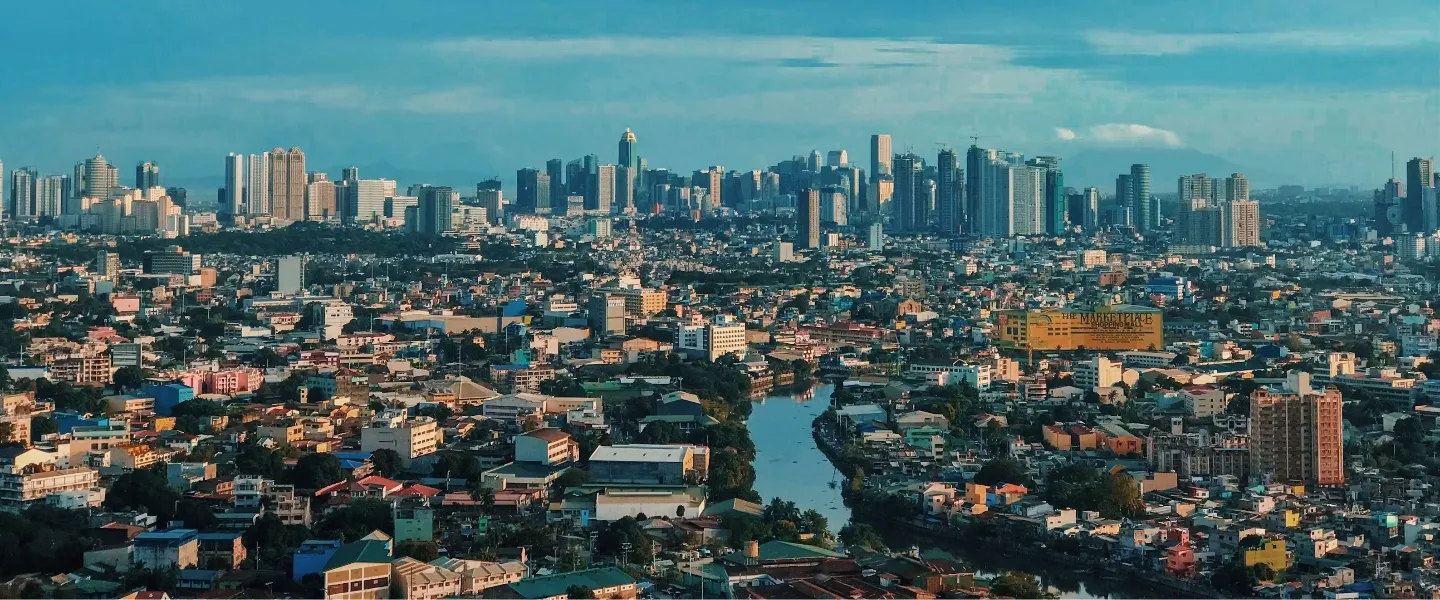
Manila safety score
Manila is a big, busy capital, so it asks for a bit more street smarts than a beach town, but most visitors have no trouble at all. The tourist and business districts like Makati and BGC are secure and walkable, violent crime rarely touches visitors, and the real risks are ordinary: the traffic, petty theft in crowds, the odd scam, and the habagat flood season.
Seismically active region
Earthquakes
Manila sits in a seismically active region. Most days you'll never notice it, but strong earthquakes do occur from time to time. It's worth knowing your accommodation's emergency exits and following local instructions if an earthquake occurs.
See the 5 strongest nearby earthquakes
- M6.72021 · 103 km · Hukay
- M6.42022 · 182 km · Cabra
- M6.32020 · 94 km · Calatagan
- M6.22023 · 97 km · Mindoro
- M6.22017 · 71 km · Tuy
Source: U.S. Geological Survey · Updated August 2026
How safe is Manila, really?
The biggest risks in Manila aren't dramatic. They're everyday city problems, and almost all of them are avoidable once you know what to look for. Here's the honest ranking, roughly in order of how likely each is to affect you:
- Traffic. Manila's roads are congested, unpredictable and the single most dangerous part of a normal trip, whether you're crossing on foot, riding a motorbike taxi or just sitting in a jeepney.
- Petty theft. Pickpocketing and phone snatching in crowds, on packed jeepneys and around markets and transport hubs. The most common thing that actually goes wrong for visitors.
- Scams and overcharging. Airport taxis refusing the meter, kalesa drivers naming a price only at the end, dodgy money changers. Annoying and costly, rarely dangerous.
- Flooding and typhoons. The southwest monsoon and the storm season bring heavy rain that floods low-lying streets and snarls the whole city for a day or two.
- Stomach bugs. Traveler's diarrhea from unfamiliar food, water or ice affects a fair share of visitors. Unpleasant rather than dangerous for most.
- Dengue. Spread by daytime mosquitoes, circulating year-round and peaking in the wet season, with a notably bad surge in 2025.
- A few areas to skip after dark, and rare risks like rabies. Some districts have a genuine street-crime reputation, and rabies exists in the Philippines, though it only matters if an animal bites you.
The sections below take each of these in turn, so you'll have every one covered before you land.
Crime in Manila
Here's the honest version. Manila is a large capital with real poverty in places, so street crime is more of a live concern than in a sleepy beach town, and the major governments flag it in their advisories. But the crime that touches tourists is overwhelmingly opportunistic theft, not violence, and it concentrates in predictable crowds and a couple of districts. Stay in the well-run areas, keep your valuables tucked away, and you remove most of the risk.
- Guard against pickpockets in the crowds. Quiapo (including inside Quiapo Church), Divisoria, Baclaran and the packed university belt are the classic spots. Keep your phone and wallet in a front pocket or a zipped bag, and be extra alert if someone bumps or crowds you.
- Watch your phone on jeepneys and in traffic. Snatching a phone from a hand or a bag off a shoulder, on foot or from a passing motorbike, is the common street theft here. Don't stand at the curb texting with your phone out.
- Stick to the main districts, and give Tondo a miss. Makati, BGC and Ortigas are secure and walkable. Tondo has a genuine street-crime reputation, and there's little reason for most visitors to go there anyway; the crowded fringes around Divisoria and Baclaran call for extra care too.
- Use your hotel safe. Leave your passport and spare cash locked up, don't flash expensive jewelry or a big camera in crowds, and keep only what you need on you.
- Be aware of the "tanim-bala" airport scam, but don't lose sleep over it. This old racket, where a bullet is slipped into a traveler's bag at the airport to extort them, was largely stamped out after a 2015 scandal, though isolated cases still surface (one in early 2025). Keep your checked bags zipped and locked, don't let strangers near them, and consider wrapping your luggage.
Common Scams
Most scams in Manila are about parting tourists from a bit of extra money rather than any physical danger. Knowing the handful of common ones makes almost all of them easy to sidestep.
-
Distraction Pickpocketing
HIGH RISKTrigger:Someone bumps into you in a crowded area
Pickpockets operate in busy markets, transport hubs and crowded shopping districts. Phones, wallets and passports are the usual targets.
How to avoid: Keep valuables in front pockets or zipped bags and stay alert in crowded places.
-
ATM Skimming
HIGH RISKTrigger:An ATM has loose parts or unusual attachments
Criminals occasionally install skimming devices and hidden cameras to capture card details and PINs. Victims may discover fraudulent withdrawals days later.
How to avoid: Use ATMs inside bank branches or shopping malls, inspect the machine first and cover the keypad while entering your PIN.
-
Taxi Meter Manipulation
MEDIUM RISKTrigger:A driver quotes a fare instead of using the meter
Around NAIA airport and transport hubs, some drivers refuse the meter, claim it is broken or take longer routes to inflate the fare. Foreign visitors are frequent targets.
How to avoid: Use Grab, JoyRide or inDrive where possible. If taking a street taxi, insist the meter is running before the trip starts.
-
Kalesa Overcharging
MEDIUM RISKTrigger:A kalesa driver avoids discussing the full fare
In Intramuros, some carriage drivers start the ride without agreeing on a price, then demand far more than expected at the end.
How to avoid: Agree on the total fare and route before boarding. Walk away if the driver will not give a clear price.
-
Fake Money Changers
MEDIUM RISKTrigger:A stall advertises a rate far above competitors
Some exchange booths use misleading calculations or short-count cash during the handover. The loss may not be obvious until you leave.
How to avoid: Use banks, shopping mall money changers or established exchange counters, and count the money before leaving.
-
Attraction Is Closed
LOW RISKTrigger:A driver says your destination is closed today
A tout or driver claims an attraction is closed and redirects you to a shop, tour or business that pays them a commission.
How to avoid: Check opening hours yourself and continue to the original destination unless staff at the attraction confirm otherwise.
Mistakes to Avoid
-
Drinking Tap Water
SERIOUS CONSEQUENCETap water may be treated in Metro Manila, but pipe quality varies and stomach problems are common among visitors. Outside Manila, tap water is often unsafe to drink.
Fix: Use bottled, filtered or properly treated water for drinking and brushing your teeth if you have a sensitive stomach.
-
Disregarding Drug Laws
SERIOUS CONSEQUENCEThe Philippines has strict drug laws, including for cannabis and THC products that may be legal elsewhere. Arrest, imprisonment, fines and deportation are possible consequences.
Fix: Do not bring marijuana, THC, CBD or any illegal drugs into the country.
-
Carrying Valuables Openly
SERIOUS CONSEQUENCEDisplaying expensive phones, cameras or jewelry attracts unwanted attention in crowded areas and on public transport.
Fix: Keep valuables out of sight and use a secure bag when moving around the city.
-
Ignoring Local Dress Codes
Wearing revealing clothing in churches and religious sites can cause offense and may result in being refused entry.
Fix: Carry clothing that covers shoulders and knees when visiting churches or religious landmarks.
-
Blocking Public Transport Exits
Standing in doorways or blocking aisles on jeepneys and trains slows boarding and is considered rude by local passengers.
Fix: Move inside the vehicle, keep bags close and allow passengers to exit before boarding.
-
Not Planning For Traffic
MINOR CONSEQUENCETraffic in Manila can turn a short journey into a trip lasting several hours, especially during weekday rush hours. Visitors regularly miss tours, meetings and flights because they underestimate travel times.
Fix: Leave early, check live traffic conditions and avoid scheduling tight connections across the city.
Traffic and road safety: the real danger
If you take one thing from this guide, take this: the traffic is the most dangerous part of Manila, not crime. The city's roads are famously congested and the driving is assertive, lane markings are loose, and crossing on foot takes some nerve. Most visitors won't drive themselves, which is the right call, but you're still exposed as a passenger and a pedestrian.
Don't ride a motorbike taxi outside the licensed apps. Angkas, JoyRide and Move It run a regulated motorcycle-taxi service with helmets and tracked trips. Informal "habal-habal" riders who tout on the street aren't part of that scheme and aren't covered, so if you use a bike taxi at all, book it in-app.
- Grab is the safe default. Booking a car in the app fixes the price, tracks the trip and skips the haggling, and it's how most visitors get around Manila. For a street taxi, insist the meter is running before you set off.
- Crossing on foot takes some nerve. Traffic doesn't always stop for pedestrians, and jaywalking is common but risky. Use footbridges and crossings where they exist, wait for a proper gap, and don't assume a car will brake.
- Don't rent a car or motorbike to drive yourself. Manila's traffic is no place to learn, and a booked car or a hired driver is cheap, easy and far safer.
- Wear a seatbelt when there is one. Many taxis and older cars have worn or buried belts, so use one where you can, and take a car over a bike for longer trips across the city.
Typhoons, flooding and leptospirosis
Manila sits in the typhoon belt and floods easily. The southwest monsoon (habagat), roughly June to October, brings the heavy rain, often turbocharged by passing typhoons, and low-lying areas and riverside districts like Marikina go under fast. Most trips catch none of it, but if you travel in the wet season, build a flexible day or two into the plan and watch the forecast.
Don't wade through floodwater if you can avoid it. Manila's floodwater carries a real risk of leptospirosis, a bacterial infection spread through water contaminated with animal urine that enters through cuts or your eyes, nose and mouth. The health department warns of it after every big flood. If you must wade and you have any broken skin, wash well afterwards and see a doctor, as it's treatable and preventable if caught early.
- Watch the forecast in the wet season. Typhoons are well forecast a few days out. Follow PAGASA (the national weather service) and your hotel's advice, and don't set off on a day trip with a storm inbound.
- Floods shut the city down for a while, then drain. Roads, trains and flights all snarl during a big downpour, so expect delays rather than danger, and wait it out somewhere dry rather than pushing through.
- The drier, calmer months are roughly December to May. If you can choose, that window skips the worst of the rain and flooding, though the tail end (March to May) is very hot and humid.
- Keep some cash and a power bank handy in storm season. Flooding can knock out power and card machines locally, so a little cash and a charged phone go a long way on a bad-weather day.
Manila also sits in an earthquake-prone zone, with the West Valley Fault running through the metro. A serious quake is rare and not something to plan a trip around, so just note where your accommodation's exits are and you've done enough.
Stomach bugs, tap water and food safety
The most common thing to lay a visitor low in Manila is an upset stomach: cramps, nausea and diarrhea from food, water or ice your gut isn't used to. It's rarely serious and most cases clear within a day or two, but it's worth heading off so it doesn't eat into a short trip.
Don't drink the tap water. It isn't reliably safe to drink in Manila and it's the most common cause of a travel tummy. Stick to sealed bottled water, which is cheap and everywhere, and if your stomach is sensitive use it for brushing your teeth too.
- Be sensible with ice and raw produce. Ice at malls, hotels and established restaurants is usually made from filtered water and fine. Be more cautious at tiny street stalls, and with salads or fruit that may have been rinsed in tap water.
- Eat where it's busy. High turnover means fresher food. A packed carinderia or a mall food court is often a safer bet than a quiet spot with food sitting out. Manila's food is a highlight, so eat well, just eat smart.
- Pack a kit. Rehydration salts, something for diarrhea on travel days, and something for nausea. The salts matter most: dehydration is what actually makes it miserable.
- Know when to see a doctor. If you have a high fever, blood in your stool, or it lasts beyond a couple of days, get seen. Manila has excellent private hospitals used to treating travelers.
One more health note for the city: Manila's air quality dips to "moderate" or worse on bad traffic days, so if you're asthmatic or sensitive, keep an inhaler handy and check a local air-quality app. This is general information, not medical advice; check with a travel clinic before you go.
Mosquitoes and dengue
Dengue is the main mosquito-borne illness in Manila. It circulates year-round, peaks in and after the wet season, and recent years have seen significant outbreaks across Metro Manila. It's spread by mosquitoes that bite in daylight, so there's no quick cure and the sensible move is simply not getting bitten.
- Wear repellent through the day. The dengue mosquito bites in daylight, unlike the malaria one, so put DEET or picaridin on exposed skin and top it up, especially around dawn and dusk when they're most active.
- Malaria isn't a concern in the city. Metro Manila isn't a malaria area, so tablets aren't needed for a normal city trip. Ask a travel clinic only if you're heading deep into certain rural provinces afterwards.
- See a doctor for a sudden high fever. High fever, severe headache and body aches a few days in are worth getting checked, particularly after the rains. This is general information, not medical advice.
Dogs and rabies in Manila
Rabies is one of the few genuinely life-threatening health risks in the Philippines, but also one of the easiest to deal with if you act fast. The country still records hundreds of human rabies deaths a year, carried mainly by dogs, and Manila has its share of free-roaming community dogs. Rabies is almost always fatal once symptoms appear, so any bite or scratch has to be treated straight away.
Treat any dog or cat bite or scratch as a rabies risk. Wash the wound with soap and running water for a full 15 minutes, then get to a clinic for post-exposure rabies shots as soon as possible. Don't wait to see how it heals.
- Give street dogs space. Most are harmless, but don't pet, corner or startle them, especially around food or puppies.
- Rabies shots are available, but plan for them. Post-exposure treatment is at Manila's hospitals and animal-bite centers, but you may need several doses over a couple of weeks. Travel insurance that covers it is well worth having.
- Consider a pre-exposure vaccine for long or rural trips. If you're staying a while or heading into the countryside afterwards, ask a travel clinic about the rabies vaccine before you go. It doesn't remove the need for treatment after a bite, but it makes it simpler.
HIV and sexual health in Manila
Worth being straight about: the Philippines has one of the fastest-growing HIV epidemics in the Asia-Pacific, per UNAIDS. If you're sexually active, the usual advice matters more here, so use protection, sold cheaply in any pharmacy. After a possible exposure, PEP can prevent HIV but must start within 72 hours, so get to a clinic straight away; it's free through health-department hubs and clinics like LoveYourself, and confidential testing is easy to find in Manila.
Alcohol and lambanog
Beer and commercially bottled spirits in Manila are fine. The rare but serious risk sits with lambanog, a traditional coconut spirit, when it's cheap, unlabeled or home-distilled: bad batches have at times been laced with methanol, which can cause blindness or death, and the Philippines has seen deadly mass poisonings from it, usually rural home-brew around the holidays.
Avoiding it is simple: stick to sealed, branded bottles and give unlabeled home-distilled batches a miss. Methanol's effects can lag by hours, so if a bad headache, blurred vision or confusion set in after a dubious drink, treat it as an emergency and get to a hospital, because caught early it's treatable.
Drugs and the law
The Philippines enforces some of the harshest drug laws in Asia, so the short version is simple: don't buy, carry or accept illegal drugs, period. Possession of even small amounts can mean years to life in prison, and trafficking is non-bailable. The death penalty was abolished in 2006 and isn't currently in force, but the penalties short of it are severe and enforcement is aggressive. Be alert, too, that anyone offering you drugs may be setting you up.
- Don't accept drugs from strangers. Anyone offering may be setting you up, and the penalties are life-changing. It isn't worth the risk under any circumstances.
- Cannabis is illegal. There's only a narrow medical pathway, and bringing any in from abroad is treated as drug trafficking. Don't assume rules from anywhere else carry over.
- Carry prescription medicines properly. Keep anything prescription in its original packaging with a copy of the prescription, since some common medications are controlled here.
Is Manila safe at night?
In the right areas, yes. Makati (especially around Poblacion and the Salcedo and Legazpi villages) and BGC stay busy, social and secure well into the night, and being out after dark there is completely normal. Elsewhere it pays to be more selective, and the after-dark risks are ordinary nightlife ones rather than a threat around every corner.
- Get home with Grab. Booking a car in-app beats flagging a street taxi late at night, fixes the price and tracks the trip. It's worth it even for short hops after a few drinks.
- Stick to the well-lit, busy districts. Makati and BGC are the safe bets after dark. Avoid wandering into Tondo or quiet, empty streets late at night, and don't walk long distances alone in unfamiliar areas.
- Mind your drink. In the Poblacion and Malate nightlife, don't leave drinks unattended and be wary of overly generous strangers and free pours. Drink-spiking and "sweetheart" swindles do happen.
- Travel light on a night out. Take what you need and leave the passport and spare cards in the room safe.
Is Manila safe for solo and female travelers?
Broadly yes, with normal big-city caution. A real advantage in Manila is the language: English is an official language and widely spoken, so asking for help, reading signs and sorting out transport is far easier than in much of the region. Most solo female travelers get on fine, particularly in the main tourist districts. Catcalling and street harassment happen, more so outside the affluent areas, and the usual precautions around nightlife and quiet streets apply.
- Book rides rather than flag them. An app ride skips the unlit streets and the late-night haggling, and someone knows where you are.
- Base yourself in a well-run district. Makati and BGC are walkable, secure and full of cafés, which makes solo days and evenings easy.
- Be firm with touts and drivers. A confident "no, thank you" and walking on works. Unsolicited "help" at the airport or transport hubs often comes with an expected tip or a catch.
- Share your plans. Heading off on a day trip, tell someone your route and roughly when you'll be back, and keep your phone charged.
Is Manila safe for families with kids?
Yes, and Filipinos adore children, so families are made very welcome. Manila is a practical city base with big malls, family attractions and excellent hospitals. The things to manage are practical, not sinister.
- Mind the traffic on foot. Crossing Manila's roads takes care, so hold hands, use footbridges and crossings, and cross steadily as a group.
- Use cars with seatbelts, and skip the bikes. Grab cars and taxis over motorbike taxis, and arrange a child seat in advance if you need one, as most don't include them.
- Sun, heat and tummy bugs. Kids dehydrate faster, so stay on top of water, sunscreen and shade, and be extra strict about clean drinking water and food hygiene.
- Lean on the malls. Manila's big air-conditioned malls are a genuinely useful, safe reset for families on a hot or rainy day, with clean bathrooms, food and space to cool off.
Which parts of Manila are safest?
Metro Manila is a sprawl of cities, and where you base yourself makes a real difference to how the trip feels. Here's the quick read on the areas visitors actually use.
How safety changes by season in Manila
Manila has a dry half and a wet half of the year, and each nudges the risks. Neither is dangerous in itself, but it's worth knowing what shifts.
- Dry season (roughly December to May). The calm, mostly rain-free stretch and the easiest time to get around. The sting in the tail is the heat: March to May is very hot and humid, so drink more water than you think you need, skip the midday sun, and stay on top of sunscreen.
- Wet season (roughly June to November). The habagat monsoon and the typhoon window bring heavy rain, flooding in low-lying streets, snarled transport and the leptospirosis risk from wading floodwater. Standing water also means more mosquitoes, so more dengue about. Build in some flexibility and watch the forecast.
Emergency numbers and getting help
Save these before you go. 911 is the national emergency hotline for police, fire and medical, and it works across the country. For tourists, Manila has some of the best hospitals in the region: Makati Medical Center, St. Luke's Medical Center (BGC and Quezon City), The Medical City (Ortigas) and Manila Doctors (Ermita) are all used to international patients and insurers. Keep your insurer's emergency line and policy number in your phone too.
- National emergency line911
- Philippine Red Cross143
English-speaking operators are the norm on 911, which makes getting help easier here than in much of the region. For advisories issued at country level, see the full Philippines advisories.
Traveling soon?
Where to be careful, what things should cost, and what to skip. Once a week.
Frequently Asked Questions
-
Is Manila safe for tourists?
Yes, for the most part, with normal big-city awareness. Millions of visitors pass through without trouble, and the districts most people stay in, like Makati and BGC, are secure and walkable. Violent crime rarely involves tourists. The real risks are ordinary ones: the traffic, petty theft in crowds, taxi and tour scams, wet-season flooding and dengue. Handle those and you handle almost everything that can go wrong.
-
Is Manila dangerous?
Manila has a tougher reputation than it deserves for the average traveler. It's a big capital with real street crime, so pickpocketing and phone snatching in crowds are genuine, and a couple of districts like Tondo are best avoided after dark. But violent crime against tourists is uncommon, and the thing most likely to actually hurt you is the traffic. Stay in the well-run areas, use Grab, and keep your valuables tucked away.
-
Is Manila safe right now?
Under normal conditions, yes. The one genuinely seasonal risk is the wet season (roughly June to November), when the habagat monsoon and typhoons can bring heavy rain and flooding that shuts parts of the city for a day or two. If you're traveling then, watch the PAGASA forecast and your government's travel advisory for the Philippines before you go.
-
Which areas of Manila should I avoid?
Tondo is the one district with a genuine street-crime reputation, and it's best skipped, especially after dark. Keep your valuables tight in the crowded market areas of Quiapo, Divisoria and Baclaran, and be more cautious in the faded patches of Malate and Ermita at night. Base yourself in Makati, BGC or Ortigas and you'll be in the safe, easy parts of the city.
-
Are guns a problem for tourists in Manila?
There are more firearms around than in most of Southeast Asia. The Philippines has high civilian gun ownership and a lot of loose weapons, and gun crime does happen. The reassuring part is that it's almost always targeted, tied to personal disputes, local politics or criminal rivalries, and it very rarely touches foreign tourists. The sensible response is ordinary: don't escalate confrontations or road-rage incidents, walk away from a brewing argument, and be a little more cautious around election periods, when tensions and incidents tend to rise.
-
Can you swim at Manila Bay?
No. Manila Bay is heavily polluted, with fecal-coliform levels that make it unsafe for swimming despite the "white sand" beautification project along the promenade. It's a spot for watching the famous sunset, not for a dip. If you want to swim near Manila, head out of the city to a proper beach destination like Batangas or an island trip.
-
Are taxis safe in Manila?
The safest and easiest option is Grab, which fixes the fare up front and tracks the trip. Regular metered taxis are generally fine if you insist the meter is running before you set off, but the common hassle, especially at the airport, is a driver refusing the meter or quoting a fixed "tourist" price. Book through Grab and you skip the haggling. For motorbike taxis, use only the licensed apps (Angkas, JoyRide, Move It).
-
Do I need vaccinations for Manila?
Manila is low risk for malaria, so tablets aren't needed for a normal city trip, but dengue (from daytime mosquitoes) circulates year-round, so use repellent. Check your routine vaccinations are up to date and ask a travel clinic about hepatitis A and typhoid, which are commonly recommended, and about rabies for longer or rural stays. This is general information, not medical advice, so confirm with a doctor before you travel.