
Japan Right Now
Flooding and transport disruption in Nagoya and surrounding areas after record rainfall. Some rail services were temporarily halted.
Respect for the Aged Day
Autumnal Equinox Day
Where to go in Japan
Tokyo's dense rail sprawl, Kyoto's temple districts and Hokkaido's colder northern landscapes each feel like a different version of Japan, with big shifts in pace, climate and crowds between regions. Conditions change noticeably from north to south, so the cards below, sorted west to east, show live weather, costs and crowd levels for each destination to help narrow down where the season actually works best right now.
-
 HIGH · 29°C TIMING · Good1
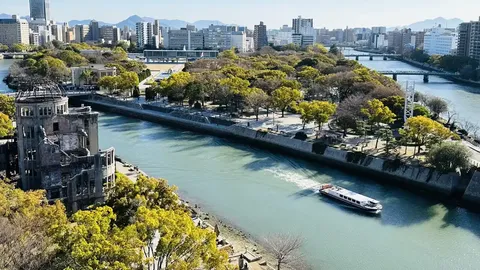
Hiroshima
A city shaped by memory, streetcars, rivers, and evenings that feel more lived-in than solemn.
- WEATHER
- SAFETY
-
 HIGH · 30°C TIMING · Good2
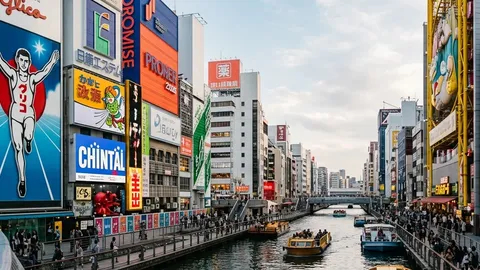
Osaka
Loud, practical, and food-obsessed, it feels more lived-in than polished.
- WEATHER
- SAFETY
- CROWDS
-
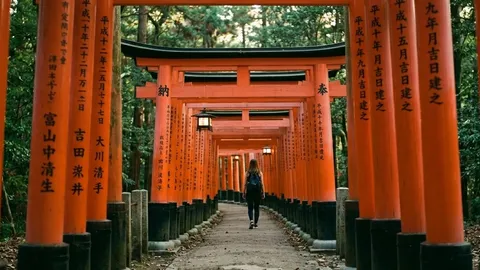 HIGH · 29°C TIMING · Good3
Kyoto
Temples and bamboo groves draw the crowds, yet Kyoto feels most itself in backstreet kissaten at noon.
- WEATHER
- SAFETY
-
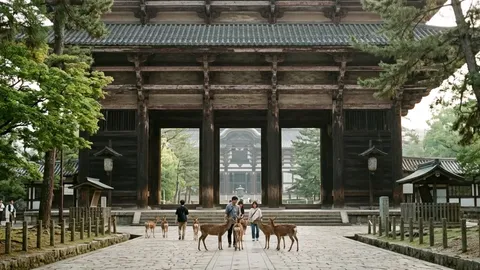 HIGH · 28°C TIMING · Good4
Nara
Old stone, quiet lanes and history you can walk between in an afternoon.
- WEATHER
- SAFETY
- CROWDS
-
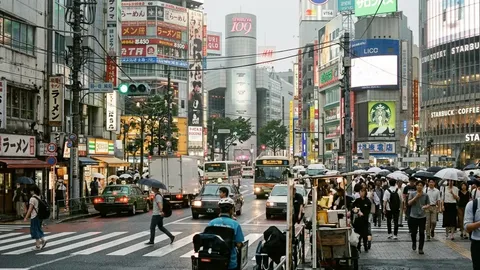 HIGH · 28°C TIMING · Poor5
Tokyo
Days run on rails and receipts, nights disappear into alleys lit like arcade cabinets.
- WEATHER
- SAFETY
- CROWDS
-
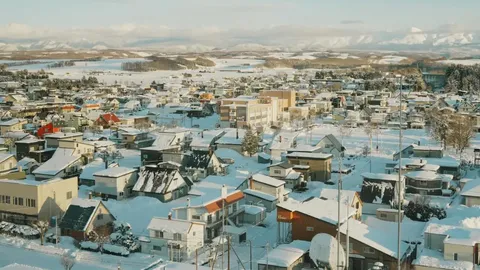 HIGH · 22°C TIMING · Best6
Hokkaido
Cold mountains, quiet towns, and seafood that tastes like it came straight off the dock.
- WEATHER
- SAFETY
- CROWDS
When to go to Japan
April to May and October to November are the two best windows, and October scores highest on our data. Skip mid-July through August, when the big cities are at or above 30°C (86°F) with high humidity. Hokkaido is the exception: its own peak is deep winter.
Need to Know
- Population
- 123,050,000 Statistics Bureau · 2025 Census
- International visitors
- 42,683,600 (2025) +15.8% YoY JNTO · Last updated: 2026
- Annual visitors per resident
- 0.35× Annual international visitors divided by the population
Top visitor markets
- South Korea 22.2%
- China 21.3%
- Taiwan 15.8%
- United States 7.7%
- Hong Kong 5.9%




Show fewer Show 5 more
- Thailand 2.9%
- Australia 2.5%
- Philippines 2.1%
- Singapore 1.7%
- Canada 1.6%



Source: JNTO · 2025
Annual visitor arrivals
- 2025 42,683,600 +15.8%
- 2024 36,870,148 +47.1%
- 2023 25,066,350
- 2022 3,832,110 COVID
- 2021 245,862 COVID
Show fewer Show 2 more
- 2020 4,115,828 COVID
- 2019 31,882,049
International visitor arrivals. COVID years (2020-2021) are included for completeness. Source: JNTO · Last updated: 2026
- Currency
- Japanese Yen (JPY)
- Language
- Japanese, limited English outside major areas
- Tap water
- Safe to drink nationwide
- Time zone
- GMT+9 (JST)
- Power plug
- Type A / B, 100V
- Dialing code
- +81
- Driving side
- left
- Tipping
- Tipping is not customary in Japan and can be considered impolite or cause confusion. Service is included in the price.
- Internet
- Fast and reliable across the country with strong 4G and 5G in cities, though coverage may be inconsistent on smaller, remote islands.
- Emergency
- 110 (police), 119 (ambulance and fire)
Upcoming Holidays
Public holidays & observances, next 12 months
Japan Visa & Entry
Getting To Japan
-
Narita International Airport (NRT)
60 km east of Tokyo
The Narita Express is the most comfortable option, especially with a Japan Rail Pass. The Keisei Skyliner is faster to Ueno/Nippori for transfers. The Airport Bus is a budget-friendly choice, but traffic can be unpredictable.
-
Haneda Airport (HND)
20 km south of Tokyo
Haneda is much closer to central Tokyo than Narita, making train options very efficient. Both the Keikyu Line and Tokyo Monorail offer quick connections to major JR lines. Taxis are expensive, especially with late-night surcharges.
-
Kansai International Airport (KIX)
50 km southwest of Osaka
The JR Haruka is best if you have a Japan Rail Pass. The Nankai Rapi:t is the fastest to Namba. Limousine buses are convenient for direct hotel drops, but traffic can extend travel times.
-
Chubu Centrair International Airport (NGO)
40 km south of Nagoya
The Meitetsu μ Sky is the quickest way into Nagoya, with comfortable reserved seating. The regular Meitetsu Limited Express is a good budget alternative. Taxis are very expensive, so consider them only for late-night arrivals or large groups.
-
Ferry from South Korea
Overnight and daytime services from Busan to Fukuoka, Shimonoseki, and Osaka
The Busan-Fukuoka route is the most popular, with both overnight and daytime options. Booking in advance is recommended, especially for specific room types or during holidays. Note that the faster hydrofoil service from Busan to Fukuoka is currently suspended.
-
Ferry from China
Weekly passenger-cargo service from Shanghai to Osaka/Kobe
This is a long journey, primarily a transport service rather than a cruise. The destination alternates weekly between Osaka and Kobe. You will need to arrange your visa beforehand.
Safety Advice
Japan is one of the safest countries in the world, and every major government rates it at the lowest advisory level. The real risks here aren't crime, they're natural: earthquakes, typhoons and volcanoes, plus summers that have turned dangerously hot. The one crime worth knowing about is scams and drink-spiking in a handful of Tokyo's nightlife districts.
Travel Advisories
Natural disasters
- Japan experiences frequent earthquakes and tsunamis; follow local alerts and instructions.
- Typhoons occur between June and December, bringing heavy rain, flooding, and landslides.
- Summers are extremely hot and humid, posing a risk of heatstroke.
- Active volcanoes are present; monitor local reports and warnings.
Health & vaccinations
- Some common medicines are illegal; check Japan's strict drug laws before traveling.
- You can be arrested if illegal drugs are found in your bloodstream, even if unaware.
Unrest & security
- Terrorist attacks are possible; stay aware of your surroundings.
- Protests can occur; leave the area immediately if demonstrations start.
- North Korea frequently launches missiles, follow local advice and check for alerts.
Transport & infrastructure
- Carry your passport or residence card at all times; police can arrest you without it.
- Driving requires an International Driving Permit and your home country license.
- Drink-driving is a serious offense with severe penalties.
- Be aware of cyclists on roads and pedestrians crossing at green lights.
Other notes
- Foreign nationals are targeted for robbery, assault, and extortion in nightlife districts.
- Be cautious of drink spiking and credit card fraud in entertainment areas.
- Do not follow street touts into bars or clubs; they may misrepresent services.
- Shout and ask for help if you experience inappropriate touching on trains.
- Tattoos may prevent entry to some public facilities like pools and hot springs.
- Disputes over bar bills can lead to arrest; check prices before ordering.
Always check your own government's official travel advice before traveling.
Money & Payments
Two things about money in Japan catch people out. It's more cash-reliant than a country this high-tech has any right to be, so you still need yen in your pocket, and most of its own bank ATMs won't touch a foreign card. Get those two right, add a Suica to your phone, and paying here is genuinely easy.
-
Cash, cards and a Suica on your phone
Cards work across konbini, hotels, department stores and chains, but small restaurants, shrines, ticket machines and rural spots are still cash-only, so carry some yen. The smartest thing you can do is put a Suica IC card on your phone: on an iPhone you add it to Apple Wallet, top it up with a foreign card, and tap for trains, vending machines and convenience stores.
-
Find an ATM that takes your card
Most Japanese bank ATMs reject foreign cards outright. The ones that reliably work are inside convenience stores: 7-Eleven (Seven Bank) and Japan Post lead, with English menus and 24/7 access at konbini. Our guide compares the fees, withdrawal limits and acceptance so you know exactly where to go.
Costs in Japan
Japan is expensive by regional standards. Everyday food can be cheap, a ramen bowl is about ¥1,000, but rent, nights out and imported goods are where it gets expensive.
Spend money in Japan
Free travel cards available
Send money to Japan
Compare Providers









Save money?
Sign up for our guide on how to save money on your next trip.
SIM Cards & Data
Best option for most travelers: an eSIM you set up before you arrive. You'll be online the moment you land, with no airport line and no tourist pricing.
Travel eSIMs Connect the second you land. Zero hassle. Skip the airport line and paperwork. Activate before you fly and land connected. Find the best eSIM →Prefer a local SIM?
Japan has extensive 4G LTE coverage nationwide, with 5G networks rapidly expanding in major cities. You can expect reliable speeds for essential travel needs like maps, ride-hailing, messaging, and even video streaming. While urban areas have strong signals, some remote or mountainous regions may experience weaker or dead zones.
-
NTT Docomo
As Japan's largest carrier, NTT Docomo offers the most extensive and reliable nationwide coverage, including many rural areas. Tourist data-only SIMs using their network, such as those from Sakura Mobile or Nippon SIM, often provide plans like 10GB for 33 days for around ¥2,980 (about 19 USD).
-
au by KDDI
au by KDDI is known for its high-speed data network and excellent urban coverage, with strong performance in rural areas as well. Prepaid SIM plans for tourists can include options like 25GB for 30 days for around ¥4,580 (about 30 USD).
-
SoftBank
SoftBank provides reliable coverage and fast speeds, particularly in major cities. Tourist data-only SIMs on the SoftBank network offer plans such as 10GB for 30 days for about ¥6,600 (about 43 USD).
-
Rakuten Mobile
Rakuten Mobile has gained popularity for its competitive pricing and good coverage in populated areas, utilizing a partner network (au) for wider reach. They offer budget-friendly prepaid SIMs with plans like 3GB for around ¥980 (about 6 USD).
What Japan is Like
Stepping off the train in a major city like Tokyo or Osaka, you'll immediately notice how quiet it is, even in crowded spaces; people on public transport rarely speak on their phones, a collective agreement to preserve peace that's surprisingly effective. This underlying order extends to almost every aspect of daily life, from the careful way shop owners sweep their entrances each morning to the thoughtful presentation of even the simplest meal. It's a national character that prioritizes harmony and consideration, which can feel incredibly refreshing, though it also means overt displays of emotion or loud conversations are generally frowned upon.
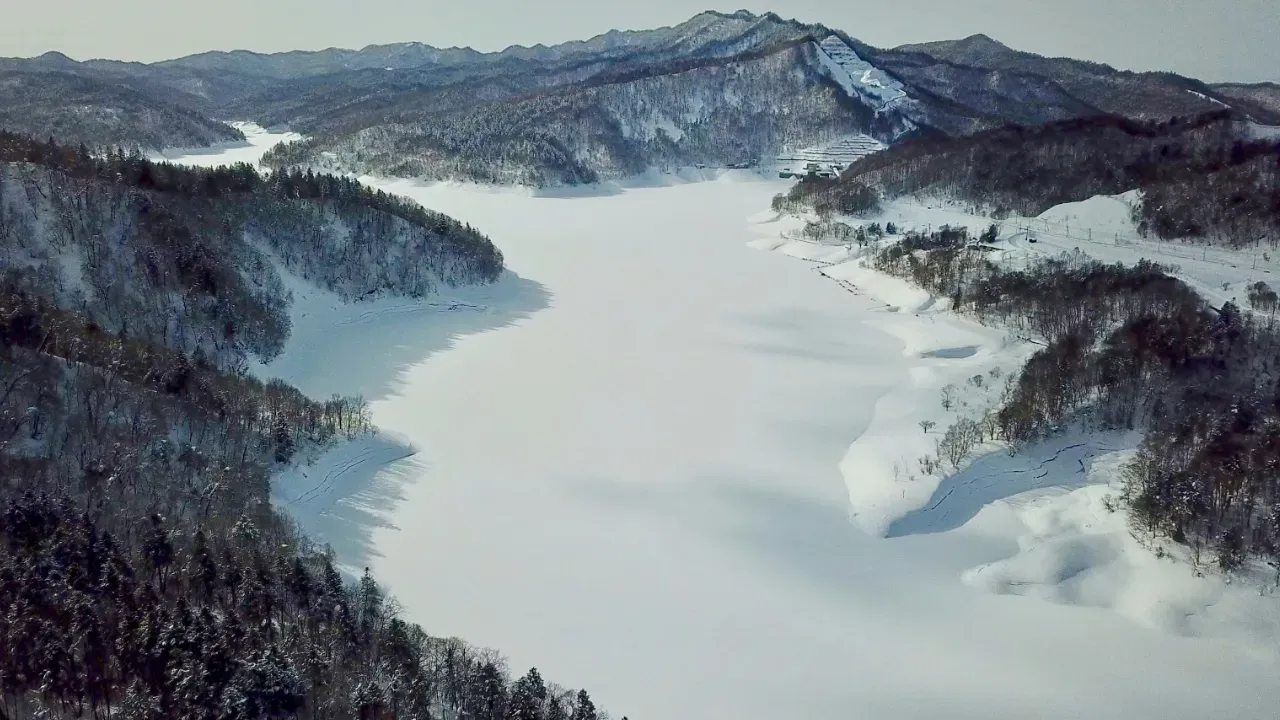
The rhythm of life shifts dramatically as you move from the neon-soaked density of Tokyo to the more relaxed pace of regional Japan. While the capital hums with an almost frantic, yet organized, energy, places like the northern island of Hokkaido offer vast natural landscapes and a slower tempo. Down south, Kyushu blends volcanoes and onsen culture with a distinctly laid-back feel, and its main city, Fukuoka, is often praised for its livability. Tohoku, just north of Tokyo, provides a blend of winter wonderlands and historic castle towns that many international visitors overlook, which is a shame, as it offers a genuinely different side of the country.
You'll quickly notice Japan is adding more hoops for tourists. It plans an electronic travel authorization system (JESTA) that most visitors will eventually need before arriving, though it isn't live yet, and tax-free shopping is due to move to an airport refund system where you show your purchases at customs on the way out. Don't expect to walk straight up to popular attractions like Tokyo Disneyland or Universal Studios Japan either; many now need an advance online reservation, and you'll be turned away without one.
While Japan remains incredibly safe, a few tourist-targeted scams have become more prevalent, particularly in nightlife districts like Shinjuku's Kabukicho or Osaka's Dotonbori. You might encounter pushy touts for bars, or find yourself in an izakaya with hidden seat fees and overpriced appetizers that appear on your bill without warning. Another one to watch for: a stranger approaches you on train lines like the Chuo or Keikyu, claims to have lost his wallet, and asks for cash to reach the airport. Be wary of anyone dressed as a Buddhist monk asking for donations on the street, especially near temples, as legitimate monks do not solicit this way.
A noticeable change in the past year or so is the quiet introduction of dual pricing. Himeji Castle, for example, now charges non-residents more than double the entry fee for locals, and the government is actively discussing national guidelines for this system, with Kyoto buses also being considered. This isn't necessarily a bad thing, as the revenue is intended to manage overtourism and maintain cultural sites, but it's a departure from the past when everyone paid the same. Expect to see more of this at popular spots, so check admission fees beforehand.
Obon Week
Obon is Japan's annual period for returning home, visiting family graves, and spending time with relatives, which means the entire country starts moving at once. Office workers leave Tokyo, university students head back to regional towns, and train stations fill with families carrying gift boxes and overnight bags. In Kyoto, you'll see grandparents walking with children in yukata toward local festivals after dark while smoke from yakitori grills drifts across shrine grounds. It feels less like a tourist season and more like Japan briefly reorganizing itself around family life instead of work schedules.
The atmosphere during Obon changes depending on where you are. Central business districts in Tokyo can feel strangely quiet during the day, while regional stations, shopping streets, and temple areas get louder and more crowded as extended families gather. Evening festivals are the best part of the week. Small neighborhood matsuri with paper lanterns, taiko drums, beer stalls, and kids trying to win plastic toys feel far more grounded than the heavily photographed tourist festivals most visitors chase. You are not watching a performance staged for tourists. You are walking into a holiday that already existed without you.
Obon is also one of the few times spontaneous travel around Japan becomes genuinely difficult. Shinkansen seats disappear quickly, domestic flights climb in price, and popular onsen towns fill with Japanese travelers rather than international visitors. The mistake is trying to move too much during the week itself. Obon works best if you pick one or two bases and stay put longer than usual. Kyoto during Obon feels completely different from Kyoto in peak cherry blossom season. Less sightseeing frenzy, more families gathering near temples and rivers after sunset.
Whether you should visit during Obon depends entirely on what you want from Japan. If your goal is efficient sightseeing, empty early-morning temples, and smooth intercity travel, choose another period. If you want to see the country acting like itself rather than functioning as a perfectly organized tourist machine, Obon is one of the more interesting weeks to be there. The crowds are real, but they are mostly domestic, and the mood feels softer, slower, and more personal than the usual rush through Tokyo, Osaka, and Kyoto.
Liveability
Despite a reputation for efficiency, many Japanese people report low satisfaction with their quality of life and future expectations. While the cost of living can be lower than in major Western cities, rising prices and long working hours contribute to a sense of stagnation for many residents.
Living in Japan
Sustainability
Japan's air quality is generally good, especially in cities like Tokyo, but can be impacted by PM2.5 from external sources and domestic industry. While waste management is highly organized, the country is a major consumer of plastic packaging, leading to significant plastic waste issues.
Frequently Asked Questions
Planning & moving around
-
What is a good multi-city itinerary for a 10 to 14 day trip to Japan?
For a first-timer, a classic 10 to 14-day trip should focus on the Tokyo-Kyoto-Osaka golden route, with a side trip. Start with 4-5 days in Tokyo to hit the major districts like Shibuya, Shinjuku, and Asakusa, then take the Shinkansen to Kyoto for 3-4 days to explore temples and traditional culture. From Kyoto, do a day trip to Nara for the deer park and Todai-ji Temple, and spend 2-3 days in Osaka for its food scene and Dotonbori. If time allows, add a night in Hakone for Mount Fuji views and an onsen ryokan experience, or visit Hiroshima and Miyajima for a poignant historical interlude.
-
How do you travel between cities in Japan?
Intercity travel in Japan is dominated by the Shinkansen (bullet train), which is incredibly efficient and reliable, connecting major cities like Tokyo, Kyoto, and Osaka at high speed. Domestic flights are a viable option for longer distances, such as to Hokkaido or Okinawa, with major carriers like JAL and ANA offering extensive networks. Long-distance buses are a cheaper alternative, especially for overnight journeys, but they are significantly slower. Driving is generally not recommended for tourists due to excellent public transport, high tolls, and complex road systems, though an International Driving Permit is required if you insist.
-
How reliable are domestic flights in Japan, and which airline should I use?
Domestic flights in Japan are exceptionally reliable, operating with punctuality that rivals the train system, even in challenging weather. Japan Airlines (JAL) and All Nippon Airways (ANA) are the two main carriers, both offering excellent service, though ANA often edges out JAL slightly on customer satisfaction and cabin comfort. Budget airlines like Peach Aviation and Jetstar Japan also operate, providing cheaper options for those willing to sacrifice some amenities. Always book well in advance for the best prices, especially during peak travel seasons.
-
Do I need an International Driving Permit for Japan?
Yes, you absolutely need an International Driving Permit (IDP) to drive in Japan. Your home country's driver's license is not sufficient on its own. The IDP must be issued under the 1949 Geneva Convention and obtained in your home country before you travel. Without one, you will not be able to rent a car or legally drive, and attempting to do so could lead to serious legal trouble.
-
How much does Japan change between regions?
Japan changes a lot between regions, and there is far more to it than the Tokyo-Kyoto corridor. Tokyo and Osaka are dense, modern metropolises, while Kyoto retains a more traditional, historical feel. Hokkaido in the north is known for its vast natural landscapes, harsh winters, and distinct cuisine, feeling almost like a different country. Kyushu in the south has a warmer climate, volcanic activity, and a more relaxed pace, and cities like Fukuoka are easy places to live. Tohoku, north of Tokyo, is often overlooked but provides a blend of winter sports, historic castle towns, and a deeper dive into rural Japanese life.
-
Is English widely spoken in Japan?
English is not as widely spoken in Japan as many first-time visitors expect, especially outside major international hotels and tourist hubs. You will find more English speakers in Tokyo, Kyoto, and Osaka, particularly in department stores, train stations, and popular attractions. However, venture into smaller towns or local eateries, and communication can become a significant barrier. Google Translate and other translation apps are essential tools, as is learning a few basic Japanese phrases like 'arigato' (thank you) and 'sumimasen' (excuse me).
Safety & medical
-
Are there any regions or areas of Japan I should avoid entirely?
No, there are no regions or areas of Japan that you should avoid entirely due to safety concerns. Japan is one of the safest countries in the world, with extremely low crime rates. While some nightlife districts in major cities, like Shinjuku's Kabukicho in Tokyo or Dotonbori in Osaka, can have pushy touts or inflated prices, they are not inherently dangerous or 'no-go' zones. General awareness of common tourist scams, as outlined in the 'Scams' section, is sufficient.
-
What natural hazards should I plan around in Japan?
Japan is prone to several natural hazards, primarily earthquakes, tsunamis, and typhoons. Earthquakes can occur at any time, so familiarize yourself with earthquake safety procedures (drop, cover, hold on) and note emergency exits in buildings. Tsunamis are a risk along coastal areas following major offshore earthquakes, with warning systems in place. Typhoons typically occur between May and October, bringing heavy rain, strong winds, and potential travel disruptions; monitor weather forecasts if traveling during these months. Volcanic activity also occurs in specific regions like Kyushu or Hakone, but these areas are generally well-monitored, and warnings are issued when necessary.
-
Do I need travel insurance for Japan?
Travel insurance is a non-negotiable for Japan, especially given the high cost of medical care for foreigners. While Japan is incredibly safe, unexpected events like a sudden illness, an accident requiring hospitalization, or even a missed flight due to a typhoon can quickly become financially ruinous without coverage. Ensure your policy covers emergency medical treatment, potential evacuation back to your home country, and trip interruption or cancellation, as these are the most common and expensive issues travelers face.
Laws & local norms
-
What are the drug laws in Japan?
Japan has extremely strict drug laws, among the harshest in the world, with zero tolerance for any illicit substances. Possession of even small amounts of cannabis, including CBD products with THC, can lead to immediate arrest, lengthy detention without bail, and severe prison sentences, followed by deportation and a permanent ban from the country. Do not assume that cannabis or CBD products legal in your home country are permissible here; they are not. Penalties for harder drugs like cocaine, ecstasy, or methamphetamine are even more severe, often resulting in multi-year prison terms.
-
Can I vape in Japan?
Vaping is a grey area in Japan, but generally, it is legally permissible to use e-cigarettes that do not contain nicotine, as nicotine-containing e-liquids are classified as pharmaceutical products and are illegal to sell or import without a license. However, heated tobacco products like IQOS are widely available and treated similarly to traditional cigarettes, meaning they are restricted to designated smoking areas. Public vaping is often frowned upon and subject to the same rules as smoking, so stick to designated smoking zones to avoid issues.
-
What is the dress code for temples and shrines in Japan?
There is no strict legal dress code for temples and shrines in Japan, unlike some other countries, but respectful attire is always appreciated. You will not be turned away for wearing shorts or a tank top, but it is considered polite to dress modestly, especially when entering main halls or engaging in prayer. Removing your shoes before entering certain areas is a common requirement, so wear footwear that is easy to slip on and off. Avoid overly revealing clothing out of respect for the sacred space.
-
Is Japan LGBTQ+ friendly?
Japan's LGBTQ+ friendliness is a mix of legal tolerance and social conservatism. While same-sex sexual activity is legal and major cities like Tokyo and Osaka have visible gay districts (Shinjuku Ni-chome in Tokyo is particularly well-known), same-sex marriage is not nationally recognized. Public displays of affection between same-sex couples might draw stares, especially outside of these specific areas, due to prevailing social norms. While generally safe, overt hostility is rare, but discretion is often practiced by local LGBTQ+ individuals.
Food & drink
-
What local food should a first-time visitor eat in Japan?
A first-time visitor to Japan absolutely must dive into sushi and sashimi, but do not stop there. Try ramen, with regional variations like tonkotsu in Fukuoka or miso ramen in Hokkaido, found in countless small shops and dedicated ramen streets. Udon and soba noodles offer lighter alternatives, while tempura provides perfectly fried seafood and vegetables. For a truly local experience, seek out izakayas for yakitori (grilled skewers) and other small plates, and do not miss okonomiyaki (savory pancake) in Osaka or Hiroshima. Street food stalls in markets like Nishiki Market in Kyoto offer a fantastic array of snacks.
-
Is Japan vegan-friendly?
Japan is becoming increasingly vegan-friendly, especially in major cities like Tokyo and Kyoto, though it still requires some effort. Traditional Japanese cuisine often uses dashi (fish stock) in many dishes, so always ask if a dish contains animal products. Dedicated vegan restaurants are growing in number, and many larger establishments now clearly label vegan options. HappyCow is an invaluable app for finding vegan-friendly eateries. Outside of major urban centers, finding strictly vegan food can be challenging, so be prepared to rely on convenience store options like onigiri (rice balls) or fresh fruit.
-
Is Japan halal-friendly?
Japan is not inherently halal-friendly, but efforts are being made to accommodate Muslim travelers, particularly in major tourist destinations. Finding certified halal restaurants can be challenging outside of Tokyo and Osaka, though some establishments offer 'Muslim-friendly' menus that avoid pork and alcohol. Prayer facilities are limited but increasing at airports, some shopping malls, and larger tourist attractions. It is advisable to research and book halal-certified or Muslim-friendly restaurants in advance, and always confirm ingredients if unsure, as cross-contamination is a common concern.
Families & kids
-
Is Japan a good place to travel with kids?
Japan is a surprisingly excellent place to travel with kids, largely due to its safety, cleanliness, and efficient public transport. Japanese society is generally very welcoming of children, and you will find dedicated facilities like clean restrooms with changing tables and kid-friendly menus in many restaurants. The biggest friction points are the sheer crowds in popular areas, which can be overwhelming for small children, and the prevalence of stairs in older train stations, making stroller navigation a workout. Despite these, the overall experience is manageable and rewarding for families.
Pets
-
What are the requirements for bringing pets into Japan?
Bringing pets into Japan is a complex and lengthy process that requires significant advance planning, often six months to a year. Dogs and cats need to be microchipped, have two rabies vaccinations, and undergo a rabies antibody test with a specific waiting period. They also require health certificates from a government-approved veterinarian in your home country. Even with all paperwork in order, a quarantine period of up to 12 hours is standard, but if any requirements are missed, it can extend to 180 days at an animal quarantine station, which is costly and stressful for the pet. It is genuinely difficult and not recommended for short leisure trips.