
Singapore

Best time to visit Singapore

Singapore is hot and humid in every month, so there is no bad season. What changes is the rain, the haze and how busy the city is.

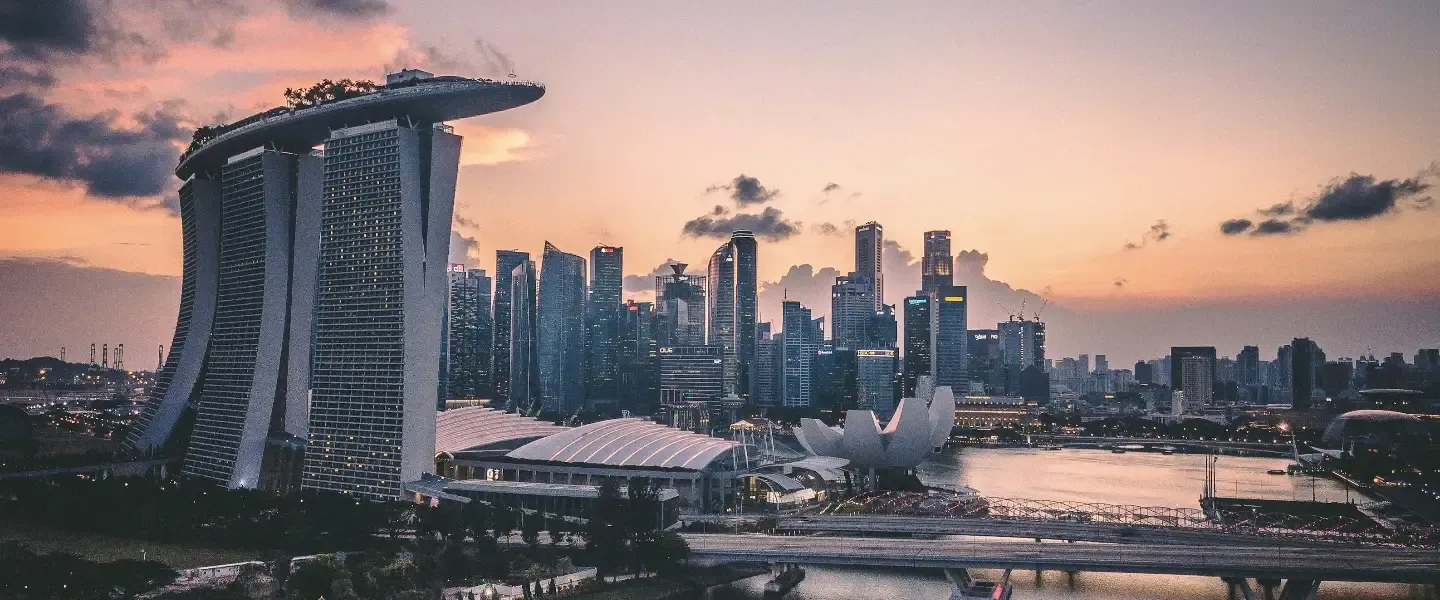
Photo by Swapnil Bapat

When to go to Singapore

The best time to visit Singapore is February. It is the driest month by a clear margin, it comes after the wet northeast monsoon, and it is well before the haze season.

Highs are 31 to 32°C every month of the year and the humidity is high in all of them. There is no hot season and cool season here, but there is a rainy one.

The wettest months are November to January, when it rains about two days in three. November sits between the two monsoons, while the winds are turning. December and January are the northeast monsoon itself.

July and August are the busiest and most expensive months. June, September and November are the quietest.

Singapore month scores

37/100

Off-seasonRegional haze episodes

Score for August

National Day celebrations around August ninth bring parades, fireworks, and larger local crowds, while weather stays hot and humid.

Weather35
Air Quality78
Crowd Level57

SCORE BY MONTH

High °CLow °CRain daysCrowd levelAQI

Visitor data: Singapore Tourism Board, monthly international visitor arrivals (2024-2025 average)

Singapore month by month

Temperature is the same all year, so the score below is mostly about how much it rains, the air quality, and how busy the city is.

January

27/100
Temperature
31 / 25°C (88 / 77°F)
Rain days
19
Crowds
Peak

The tail of the northeast monsoon, and still one of the wettest months. Rain comes in long afternoon spells rather than short bursts. Visitor numbers are high, and Chinese New Year often falls at the end of the month.

February Driest month

64/100
Temperature
32 / 25°C (90 / 77°F)
Rain days
12
Crowds
Busy

The driest month of the year and the best all-round pick. Chinese New Year lands in January or February and is worth planning around either way.

March

59/100
Temperature
32 / 26°C (90 / 79°F)
Rain days
14
Crowds
Busy

Dry, bright and still comfortable before the hottest stretch. One of the better months for walking the city rather than hopping between malls.

April

54/100
Temperature
32 / 26°C (90 / 79°F)
Rain days
16
Crowds
Busy

Rain picks up as the monsoon turns, and this is the start of the muggiest part of the year. Quieter than the summer peak.

May

46/100
Temperature
32 / 27°C (90 / 81°F)
Rain days
17
Crowds
Busy

Hot and increasingly wet, with afternoon thunderstorms most days. Still fine for a city trip, and rates have not moved yet.

June

53/100
Temperature
32 / 26°C (90 / 79°F)
Rain days
15
Crowds
Busy

The quietest month of the year on arrival numbers, which makes it good value. Rain is frequent but usually short.

July Peak season

55/100
Temperature
31 / 26°C (88 / 79°F)
Rain days
15
Crowds
Peak

The busiest month of the year. Regional and northern-hemisphere school holidays overlap, so hotels are at their most expensive.

August National Day

37/100
Temperature
31 / 26°C (88 / 79°F)
Rain days
16
Crowds
Peak

Still busy, and the point where haze from regional fires becomes possible. National Day on 9 August fills the city for a weekend.

September Haze riskF1

37/100
Temperature
31 / 26°C (88 / 79°F)
Rain days
16
Crowds
Busy

Air quality is at its worst in a bad haze year. It is also one of the quietest months, and the Formula 1 night race pushes hotel rates up for its week.

October

29/100
Temperature
32 / 26°C (90 / 79°F)
Rain days
18
Crowds
Busy

Haze can linger into October, though it varies a lot year to year. Rain starts building toward the monsoon, and Deepavali falls in October or November depending on the year.

November

30/100
Temperature
31 / 25°C (88 / 77°F)
Rain days
20
Crowds
Busy

One of the three wettest months of the year, and also one of the quietest and cheapest.

December Wettest month

26/100
Temperature
31 / 25°C (88 / 77°F)
Rain days
21
Crowds
Busy

The wettest month of the year, and expensive over Christmas and New Year. Rain is heavy but the city keeps running.

When is the rainy season in Singapore?

Singapore rains all year, so it is a question of more and less rather than wet and dry. The northeast monsoon lasts from about December to March, and the southwest monsoon from about June to September. Between them come the inter-monsoon months, and November is one of the wettest of the year.

The rain is not the same in each. In the southwest monsoon it is an afternoon thunderstorm that passes in an hour, plus the Sumatra squalls that blow across the strait before dawn. From November to January it is heavier and lasts longer.

It matters less here than in most places. The MRT, the malls, the museums and most of the restaurants are indoors or covered. Rain can write off an outdoor day at Sentosa or Universal Studios, but there is still plenty left to do.

When is the haze season in Singapore?

Haze drifts in from agricultural fires in the region, usually somewhere between August and October. It is not an annual season you can plan around: some years it barely registers, and in a bad year the air quality index climbs for days at a time.

If it matters to you, avoid September, which is when air quality is at its worst on average. Check the air quality before you book if you have asthma or you are traveling with young children.

When is Singapore least crowded?

June, September and November. July and August are the busiest months.

Two weeks push hotel rates up sharply regardless of the season. The Formula 1 night race takes over the Marina Bay area in September or October, and Christmas through New Year is the other. Chinese New Year is different again: the city gets busy but many small businesses close for two days. All three move, so check the dates before you book.

The cheapest time to visit Singapore

June and November, the two quietest months. Rates soften either side of the July peak too, so late May and early September are worth a look.

Singapore is expensive whenever you go, and the month matters far less than where you stay and where you eat. See what a month in Singapore actually costs, and the Singapore money guide for how to save money on your trip.

Does the weather change across Singapore?

Not in any way you will plan around.

The island is about 50 km across. Rainfall does vary a little between the west and the east coast, but not by enough to plan a trip around. What does differ is shelter. The city center, Orchard Road and the airport are largely covered or air-conditioned, and you can cross most of downtown without going outside.

What rain can disrupt is the outdoor half of the list: Sentosa's beaches, the Southern Ridges walk, Pulau Ubin and the zoo. If you are going in the monsoon months, put those early in the trip so you have a second chance at them.

Planning a trip?

Sign up for our guide.

Frequently Asked Questions

  • What is the best month to visit Singapore?

    February. It is the driest month of the year, it falls after the northeast monsoon and well before the haze season, and it is not one of the busy months. March is the next best.

  • What is the worst time to visit Singapore?

    December, if you are going by weather and cost together: it is the wettest month and the Christmas and New Year weeks are the priciest. September is the other one to think about, because that is when haze is most likely.

  • Is December a bad time to visit Singapore?

    It is the wettest month, but most of what you would do is indoors, so it is more of an inconvenience than a problem. The bigger issue is cost: hotel rates over Christmas and New Year are the highest of the year.

  • How bad is the haze in Singapore?

    It varies enormously year to year. Some years it barely shows up; in a bad one the air quality is poor for days and outdoor plans get shelved. August to October is the window, and September is the worst of it on average.

  • When is the Singapore Grand Prix and should I avoid it?

    It is a night race held in September or October, and the date moves. Avoid that week unless you are going for it: hotel rates near Marina Bay rise a long way and roads around the circuit close. The rest of the island carries on as normal.

← Back to the full Singapore guide