
Thailand Budget Calculator
- Housing + utilities $554 36%
- Food & drink $505 33%
- Getting around $154 10%
- Work + connectivity $170 11%
- Health, gym, fun $154 10%
These are mid-market figures. Paying with a typical bank card in Thailand adds roughly 3% on top, about $46 a month on this budget. Find the best travel card for Thailand →
A solo digital-nomad month, per person, side by side with places in the region.
A month here is about 55% of a mid-size US city.
See the cost breakdown
- Rent (1-bed) 1× 1-bed $459
- Utilities + internet flat estimate $95
- Eating out (local) 32 × $3.52 $113
- Eating out (mid-range) 16 × $9.86 $158
- Groceries (cooking in) 32 meals × $2.00 $64
- Coffees 45 × $3.17 $143
- Beers out 10 × $2.80 $28
- Getting around scooter + 12 taxis $154
- Coworking $131/mo $131
- SIM / data 7-day SIM × 4 $39
- Gym $49/mo $49
- Massages 2 × $9.79 $20
- Health (amortised) GP + dentist ÷ 12 $5.83
- Nightlife / buffer flat estimate $80
Figures assume a long-term stay (30+ days) and cover rent, food, transport, internet and everyday spending. Flights, visas and insurance aren't included. Rent, utilities and internet are shared across the household; everything else is per person. Rent, food and transport use the prices listed below. Utilities, health costs spread over the year and a buffer for extras are estimates.
Prices last checked between May and September 2026
Average prices in Thailand
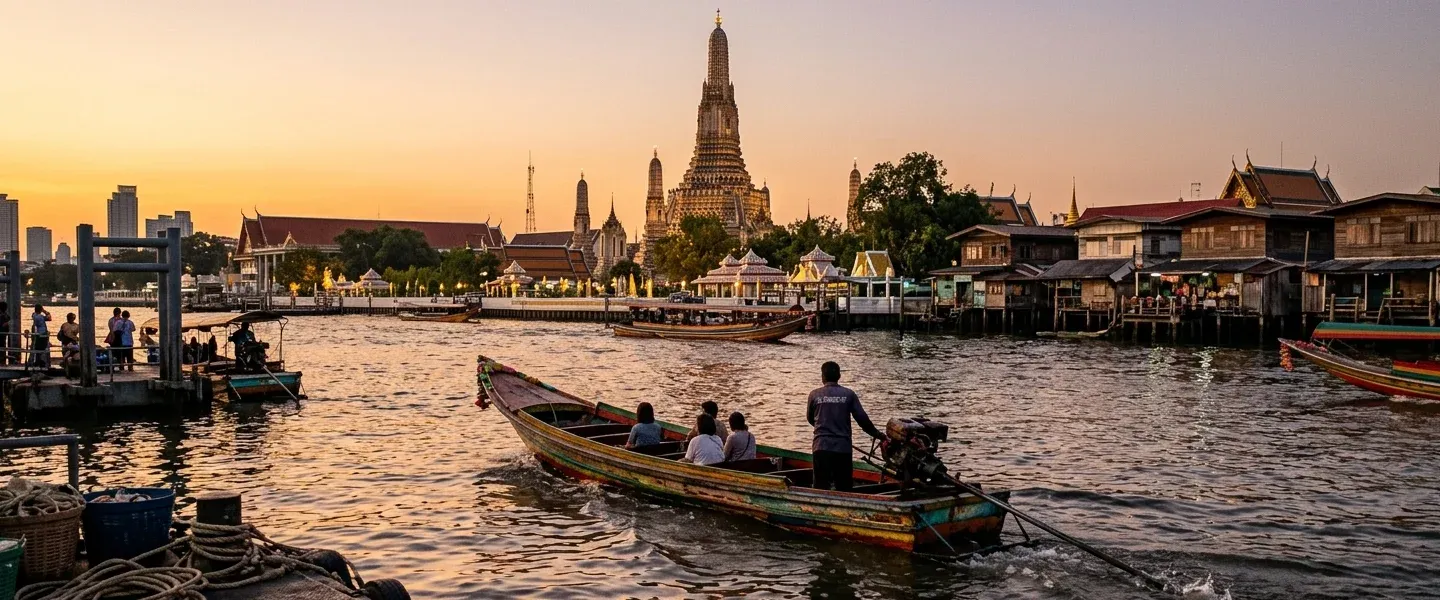
Thailand is cheap for street food and for rent outside the islands. A plate at a street stall runs about $2 and a scooter a few dollars a day. Prices climb on Koh Samui and Phuket, and in central Bangkok.
Groceries and fuel
Where a business publishes a price we use it and name it: 101 of them sit behind the rows above, last checked between May and September 2026, and the i beside a price shows which. Where no business publishes one, a taxi fare or a long-term rent, the figure is an estimate drawn from published local sources. How these prices are collected ↗
Rent in Thailand by city
Rent is where Thai cities differ most. Below are the cities we track, from the pricey islands down to the cheap north, against the national average, using our own estimates from local listings.
- Koh Samui Pricier Koh Samui has the highest rents on this list. A one-bed near Bophut or Lamai is well over $700, and imported food and drink cost close to what they would at home. Everything arrives by ferry or plane, which keeps prices a notch above the mainland.
- Phuket Pricier Phuket ranges widely. Rawai and Chalong in the south suit long-stayers who want cheaper rent and a local feel; Patong and the west-coast beaches are pricier and busier. The island is spread out, so most people rent a car, which adds to the monthly total.
- Bangkok Mid Bangkok has mid-range rent and some of the cheapest eating in the country, with a plate at a street stall often under $2. A condo on the BTS skytrain line costs more than one a few stops out, but skips the traffic. A rooftop cocktail in Thonglor is $10 or more, the same as home.
- Chiang Mai Mid Rent in Chiang Mai is close to Bangkok, but everyday spending is lower, which is why long-stayers cluster in Nimman. Rents drop further outside the old city. The downside is the burning season in March and April, when the air gets genuinely bad.
- Krabi Cheaper Krabi is a cheaper, quieter beach base than Phuket, better if you want limestone cliffs over nightlife. Rents around Ao Nang and Krabi town are low, but there are few condos and little coworking, so it suits shorter stays more than a long remote-work base.
- Chiang Rai Cheaper Chiang Rai has the lowest rents here, near $300 for a one-bed, and a slow small-city pace. There are few cafes, little coworking, and you are a couple of hours from Chiang Mai for most flights out.
Is Thailand expensive?
Thailand stays cheap on rent outside the islands and on street food, a couple of dollars a plate. Imported groceries and alcohol cost close to home prices. On the islands, there is a tourist markup on top of that. The difference between a $2 street plate and a $15 Western dinner is what changes your budget.
On the Digital Nomad setting the national average is about $1,540 a month, a little above Indonesia and well above Vietnam. Bangkok and Chiang Mai are both near that number: their rents are close, though Chiang Mai's food and coworking come in a little cheaper. Koh Samui and Phuket are a few hundred dollars more once island rents kick in.
Sending money to Thailand
If you earn abroad, you are converting to baht for rent and daily spending. A weak rate plus a transfer fee can cost 3 to 5% each time, which adds up against what you save on street food.
Thai landlords usually want a deposit plus rent by bank transfer or cash, so finding the cheapest way to move money pays off early. Compare different providers below, then the full Thailand money guide covers ATMs, cards and the PromptPay app.
What you'll receive today

Compare Providers









Paying rent, using ATMs, tapping a card? See the full Thailand money guide.
Thinking about the move?
Sign up for our guide on living well abroad for less.
Frequently Asked Questions
-
How much do you need per month to live in Thailand?
About $730 a month for a basic setup, $1,540 for a digital-nomad month with a condo and coworking, and $2,490 for a pool-villa-and-car lifestyle, per person at the national average. Chiang Mai and Bangkok are near the middle; Phuket and Koh Samui are well above. Use the calculator above for your own city and currency.
-
Is Chiang Mai really that cheap?
For day-to-day spending, yes. Rent is close to Bangkok, but a market meal is a dollar or two, coworking is cheaper, and you rarely need more than a scooter. The catch is the burning season from roughly March to April, when air quality drops hard.
-
Can you live in Thailand on $1,000 a month?
In the north, yes. In Chiang Mai or Chiang Rai, $1,000 covers a one-bed, mostly local food and a scooter. On Phuket or Koh Samui it is tight, and on a Bangkok condo with a city social life it goes fast.
-
Is Thailand cheaper than Bali or Vietnam?
It is close to Bali and a bit above Vietnam for a nomad month. Thai street food is the cheapest of the three, while Thailand's islands are the priciest part. Bangkok and Chiang Mai are the best value.
-
What costs surprise people in Thailand?
The easy ones to forget are health insurance and the cost of visa runs or extensions. After that it is the island markup on Samui and Phuket, and how fast a Bangkok social life adds up. Budget two months of rent for a condo deposit.