
Vietnam Right Now
Heavy rain and flooding are expected in southern Vietnam, particularly from noon through the afternoon and evening.
Where to go in Vietnam
From Hanoi's lakes and old quarter to Ha Long Bay's limestone seascapes and Phu Quoc's tropical beaches, Vietnam covers a surprising range of landscapes, climates and travel styles. Different parts of the country are often in completely different weather patterns at the same time, so the cards below, sorted west to east, show live weather, current crowds and costs for each destination to help you find the region that's in the right season right now.
-
 HIGH · 30°C TIMING · Poor1
Phu Quoc
Late afternoons smell of grilled squid, pepper farms, and fish sauce barrels drying near the coast.
- WEATHER
- SAFETY
- CROWDS
-
 HIGH · 32°C TIMING · Good2
Hanoi
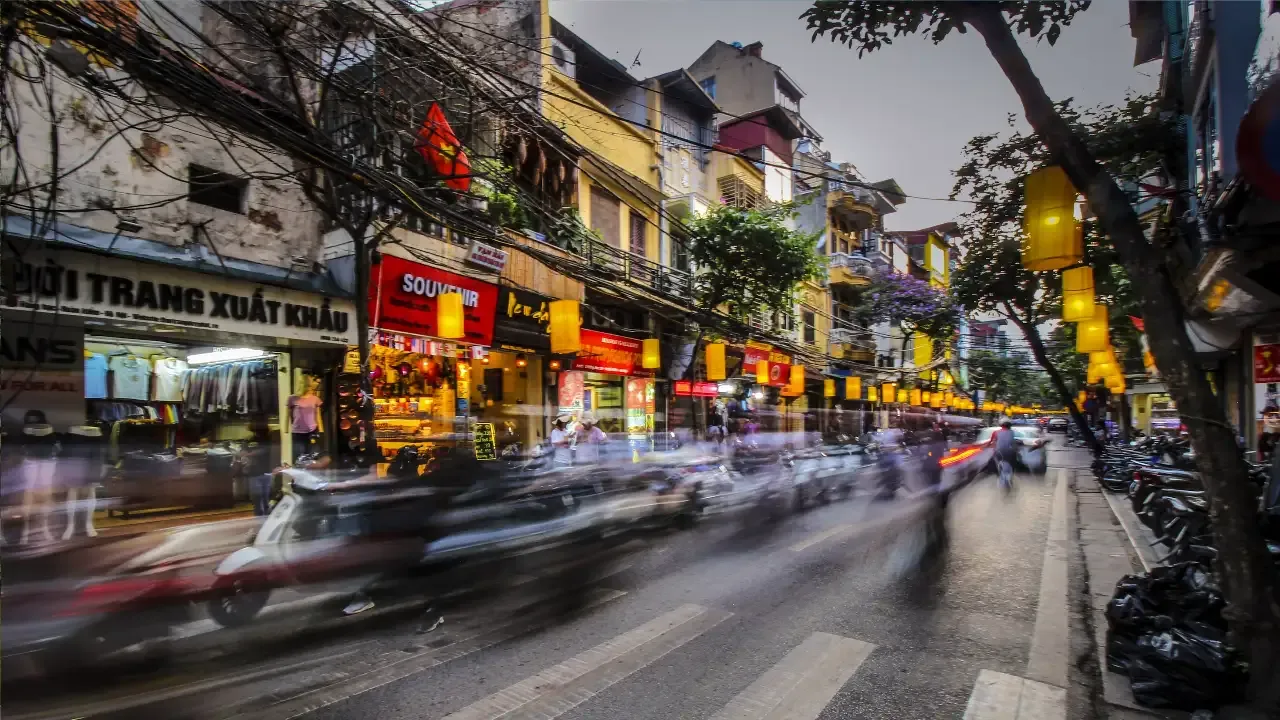
Scooters pour through every intersection, but Hanoi keeps moving with a rhythm you learn by stepping into it.
- WEATHER
- SAFETY
-
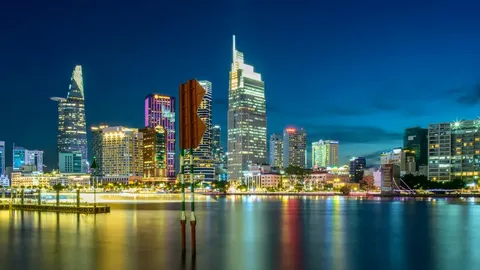 HIGH · 31°C TIMING · Poor3
Ho Chi Minh City
Plastic stools, iced coffee, scooter horns, and charcoal smoke define the street-level experience.
- WEATHER
- SAFETY
- CROWDS
-
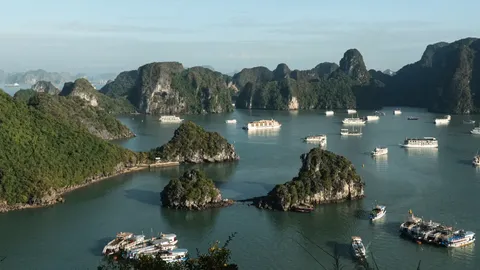 HIGH · 31°C TIMING · Poor4
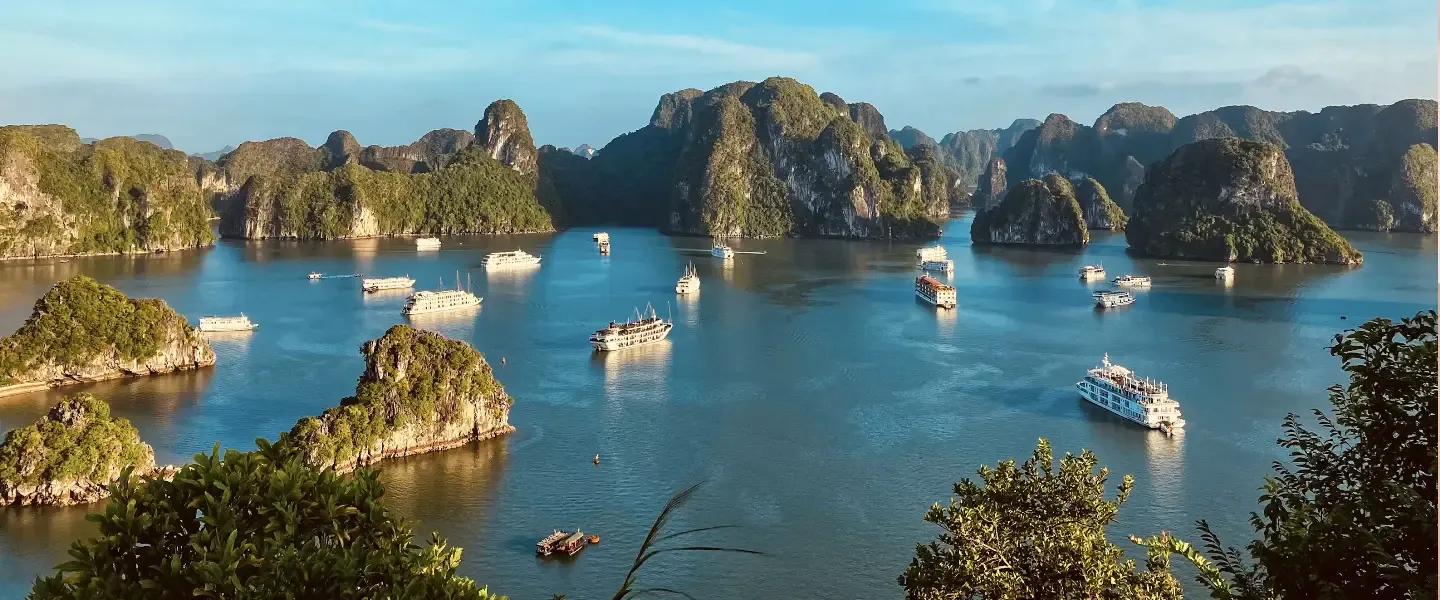
Ha Long Bay
The scenery is real, but the crowds and cruise schedules are part of the deal.
- WEATHER
- SAFETY
-
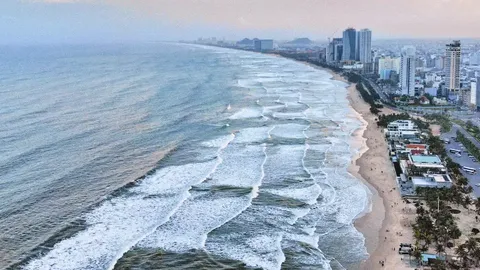 HIGH · 32°C TIMING · Poor5
Da Nang
Concrete riverfronts, seafood smoke and six-lane roads somehow add up to an easy place to stay.
- WEATHER
- SAFETY
- CROWDS
-
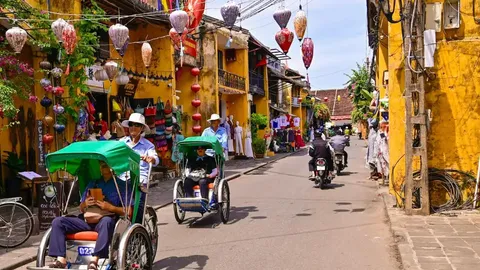 HIGH · 32°C TIMING · Good6
Hoi An
A preserved trading port that can feel both charming and oddly staged in the same afternoon
- WEATHER
- SAFETY
- CROWDS
-
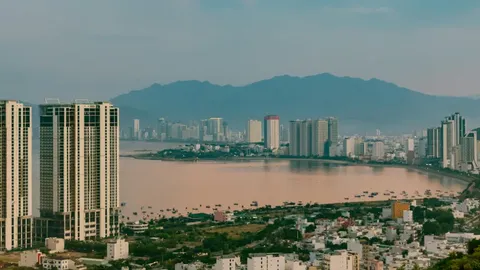 HIGH · 31°C TIMING · Good7
Nha Trang
More beach city than beach retreat, with Cham towers, island trips, and a coastline built for daily swims.
- WEATHER
- SAFETY
- CROWDS
When to go to Vietnam
Need to Know
- Population
- 102,300,000 GSO · 2025
- International visitors
- 21,168,291 (2025) +20.4% YoY VNAT · Last updated: 2026
- Annual visitors per resident
- 0.21× Annual international visitors divided by the population
Top visitor markets
- China 24.9%
- South Korea 20.5%
- Taiwan 5.8%
- United States 4.0%
- Japan 3.9%





Show fewer Show 5 more
- India 3.5%
- Russia 3.3%
- Cambodia 3.3%
- Malaysia 2.7%
- Australia 2.6%





Source: VNAT · 2025
Annual visitor arrivals
- 2025 21,168,291 +20.4%
- 2024 17,583,901 +39.5%
- 2023 12,602,434
- 2022 3,440,019 COVID
- 2021 157,300 COVID
Show fewer Show 2 more
- 2020 3,686,779 COVID
- 2019 18,008,591
International visitor arrivals. COVID years (2020-2021) are included for completeness. Source: VNAT · Last updated: 2026
- Currency
- Vietnamese Dong (VND)
- Language
- Vietnamese, with English common in major cities and tourist areas.
- Tap water
- Bottled recommended
- Time zone
- GMT+7 (ICT)
- Power plug
- Type A / C, 220V
- Dialing code
- +84
- Driving side
- Right
- Tipping
- Tipping is not required or expected, but appreciated in tourist areas for good service.
- Internet
- Mobile internet is fast, affordable, and widely available in cities and tourist spots, with 4G covering 95% of populated areas.
- Emergency
- 113 (Police), 114 (Fire), 115 (Ambulance)
Upcoming Holidays
Public holidays & observances, next 12 months
Vietnam Visa & Entry
Getting To Vietnam
-
From Noi Bai International (HAN)
45 to 60 min into central Hanoi
Noi Bai is the main international gateway for northern Vietnam and the usual arrival point for Hanoi, Ha Long Bay and Ninh Binh trips. Traffic into the Old Quarter gets ugly during evening rush hour, so airport buses or Grab often beat regular taxis on price.
-
From Tan Son Nhat (SGN)
30 to 60 min into District 1
Tan Son Nhat handles most international arrivals into southern Vietnam and is surprisingly close to central Ho Chi Minh City. The problem is traffic, not distance. Late afternoon arrivals can crawl into District 1.
-
From Da Nang International (DAD)
10 min to Da Nang center, 45 min to Hoi An
Da Nang airport is the easiest gateway for central Vietnam and far smoother than routing through Hanoi or Ho Chi Minh City first. Most travelers continue straight to Hoi An after landing rather than staying near the airport.
-
Reunification Express Railway
Main north-south rail route linking Hanoi and Ho Chi Minh City
Vietnam's long-distance railway is slower than flying but far more comfortable than overnight buses if you book soft sleeper cabins. The best stretches are central Vietnam around Hue, Da Nang and the Hai Van Pass.
Safety Advice
Travel Advisories
Natural disasters
- Tropical cyclones from May to November can bring strong winds and flooding, especially to coastal areas.
- Flooding is common in central Vietnam from October to December and in Hanoi and the Mekong Delta from June to September.
- Severe heat and humidity can cause dehydration and heatstroke.
Health & vaccinations
- Alcoholic drinks can contain methanol, which is deadly; seek immediate medical help if you feel unwell after drinking.
- Be wary of accepting drinks, snacks, or gum from strangers as they may be drugged.
Unrest & security
- Avoid all protests as they can turn violent or be suppressed by authorities.
- Do not criticize the government or its policies online or in person; this can lead to travel bans or prison.
- Do not take photos near military bases or enter restricted border areas without permission.
Transport & infrastructure
- Motorcycle accidents are common; only ride if experienced and always wear a helmet.
- Hold bags away from traffic to prevent bag-snatching by motorcycle thieves.
- Use official taxis or ride-hailing apps like Grab; avoid unofficial airport transfers.
- Bus and coach travel, especially at night, carries risks due to poor maintenance and driver fatigue.
- Landmines and unexploded ordnance remain a hazard in former battlefields; do not touch unknown metal objects.
Other notes
- Carry photographic ID at all times; a copy of your passport photo page and visa is acceptable.
- Drug offenses carry severe penalties, including long prison sentences and potentially the death penalty.
- Vapes and related products are banned; you cannot buy them or bring them into the country.
- Do not give your passport to rental shops or landlords as a deposit.
- Change money only at official exchange counters.
Always check your own government's official travel advice before traveling.
Money & Payments
Vietnam still runs largely on cash, and the two ways travelers quietly lose money are the ATM fee and the exchange rate. Which bank ATM you use, and paying in dong rather than your home currency, matter more than most people realize.
-
Cards, cash and VietQR
Visa and Mastercard cover hotels, malls, chains and larger restaurants in the cities, but cash is still king for street food, markets, taxis and anywhere rural. VietQR is everywhere locally, but it needs a Vietnamese bank account, so it rarely helps a visitor.
-
Avoid expensive ATM and exchange fees
The old advice to use TPBank is out of date, and most banks now add a fee and a low withdrawal cap. Picking the right ATM and declining currency conversion can save you more than most people expect over a trip.
Costs in Vietnam
Vietnam is one of the cheapest countries in the region. Local food, coffee and a scooter cost very little, and rent is low outside the big cities. Imported goods and Western restaurants are the pricey exceptions.
Spend money in Vietnam

Free travel cards available
Send money to Vietnam
Compare Providers









Save money?
Sign up for our guide on how to save money on your next trip.
SIM Cards & Data
Best option for most travelers: an eSIM you set up before you arrive. You'll be online the moment you land, with no airport line and no tourist pricing.
Travel eSIMs Connect the second you land. Zero hassle. Skip the airport line and paperwork. Activate before you fly and land connected. Find the best eSIM →Prefer a local SIM?
Vietnam's mobile networks are good enough for constant maps, Grab rides, video calls and HD streaming across most of the country. 5G is live in Hanoi, Ho Chi Minh City and other major urban corridors, while 4G coverage is solid along the coast, main highways and tourist routes. Coverage weakens in the far north around Ha Giang and Cao Bang, deeper stretches of the Central Highlands and smaller islands away from Phu Quoc. Foreign travelers can buy prepaid tourist SIMs easily at airports and carrier stores with a passport scan.
-
Viettel
Viettel has the strongest national network and the best rural reach by a clear margin. It performs well in the Ha Giang loop, central coast highways and smaller Mekong Delta towns where other carriers drop to weak LTE. Tourist prepaid packages commonly include 15GB for 30 days for around VND 150000 (about USD 6).
-
Mobifone
Mobifone is reliable in major cities and beach destinations and usually delivers fast urban LTE speeds. Coverage weakens in remote northern mountain roads and parts of the western Central Highlands compared with Viettel. Tourist SIM plans commonly offer 20GB for 30 days for around VND 200000 (about USD 8).
-
Vinaphone
Vinaphone works well for travelers staying mostly in Hanoi, Da Nang, Hoi An and Ho Chi Minh City. Coverage along populated coastal routes is strong, but remote stretches near the Laos border and northern hill regions can become patchy. Prepaid tourist bundles often include 18GB for 30 days for around VND 180000 (about USD 7).
-
Vietnamobile
Vietnamobile is the budget option and works best for short city stays with heavy data use. Speeds can be inconsistent outside Hanoi and Ho Chi Minh City, and coverage drops fast once you leave major tourist corridors. Cheap prepaid data packs often include 20GB for 30 days for around VND 120000 (about USD 5).
What Vietnam is Like
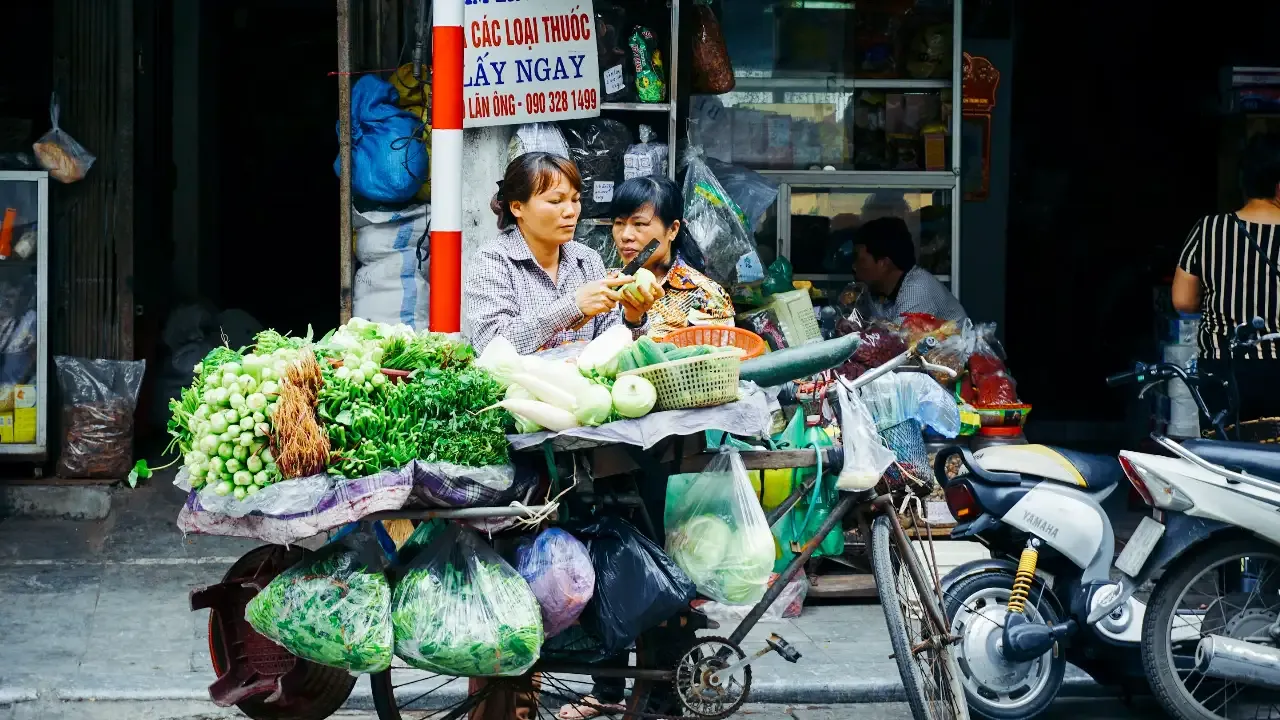
The first thing that hits people in Vietnam is the movement. Scooters pouring through intersections in Hanoi like schools of fish. Plastic stools spilling onto sidewalks. Women carrying baskets through alleyways before sunrise while somebody nearby is already hammering metal or chopping herbs for pho broth. A lot of first-time visitors spend their first two days slightly tense, convinced traffic is trying to kill them. Then your brain adjusts. You stop waiting for perfect gaps that never come and start moving with the flow instead of against it.
Hanoi and Ho Chi Minh City barely feel like the same country sometimes. Hanoi can be stubborn, ceremonial and surprisingly conservative once you leave the Old Quarter bubble. Coffee shops around Tay Ho fill with designers and remote workers all afternoon, but five minutes away old men still gather on tiny stools drinking tea beside mechanics repairing scooters in the street. Ho Chi Minh City runs hotter, faster and more commercially. District 1 is polished enough now that parts of it could almost pass for Bangkok or Singapore until you turn into an alley full of welded tin roofs, karaoke speakers and tiny family kitchens.
A lot of travelers never really see Vietnam because they move through it too fast. They do the overnight bus to Sapa, the cruise through Ha Long Bay, the lantern photos in Hoi An, then leave saying the country felt hectic. Meanwhile the best parts are often ordinary neighborhoods where nobody is performing for visitors. Lunch crowds around office canteens in Da Nang. Side streets in Hue where every second building seems to sell bun bo Hue from giant steaming pots before dawn. The older apartment blocks in Ho Chi Minh City with hidden cafes up cracked stairwells and teenagers practicing guitar in concrete courtyards.
Food here works differently from a lot of Southeast Asia because people are obsessive about freshness and timing. Certain dishes belong to certain hours and locals treat that seriously. Pho for breakfast. Com tam late morning. Snails and beer after dark on plastic chairs beside traffic fumes. You will eat some of your best meals in places with flickering tube lights, wet floors and exactly one thing on the menu. At the same time, Vietnam can also be oddly disappointing if you stay only inside backpacker districts where menus flatten into generic spring rolls, banana pancakes and weak versions of dishes locals barely eat themselves. Tourist Vietnam and actual Vietnam are often separated by one street.
People looking for polished comfort everywhere usually struggle here. Vietnam is loud, physically tiring and occasionally chaotic in ways that no luxury hotel fully insulates you from. Trains run late, karaoke appears without warning, sidewalks turn into parking lots, and long distances between regions wear people down faster than expected. Families with tiny children sometimes underestimate how hard basic walking can become once heat, traffic and broken sidewalks combine. But travelers who can tolerate friction tend to stay longer than planned.
Slow Train
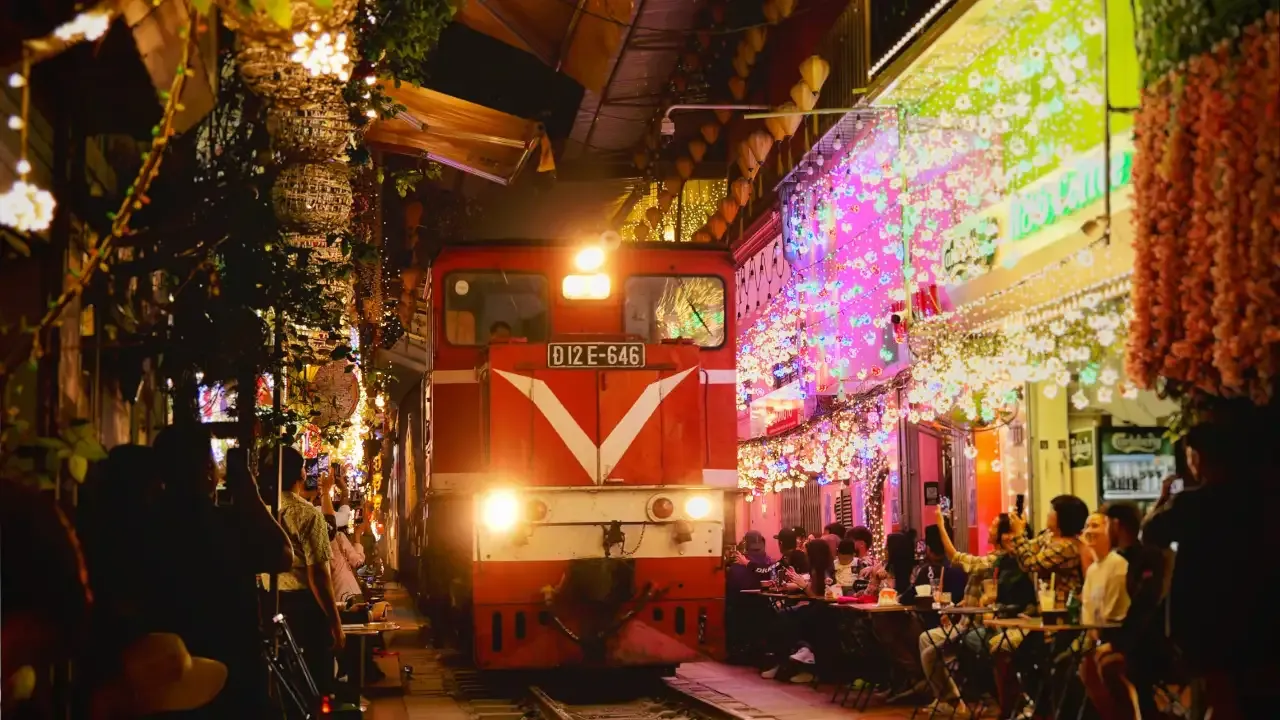
People romanticize the Reunification Express until they try to blast from Hanoi to Ho Chi Minh City in one shot and realize they have voluntarily trapped themselves inside a moving dormitory for most of two days. The train only starts making sense once you stop treating it like transport and start treating it like a long moving window through the country. The good sections are very good. The bad sections are mostly industrial outskirts, endless flat farmland and stiff legs. Flights win on speed almost every time. The train wins when you have enough patience to let Vietnam unfold slowly instead of consuming it in airport chunks.
The payoff is in central Vietnam. Somewhere after Hue, the tracks start curling around the coast near the Hai Van Pass and suddenly the carriage goes quiet because everybody is staring out the windows instead of at their phones. Fishing boats drift below the cliffs, jungle presses right up against the rails, and parts of the route look close enough to the sea that you feel spray hanging in the air. This is the stretch worth planning around. A daytime train between Hue and Da Nang beats the bus easily and avoids the miserable stop-start traffic that turns highway travel here into a test of emotional stability.
Soft sleeper cabins work best if you are traveling with somebody you already like. Sharing a four-berth cabin with random strangers can either produce great conversations over sunflower seeds and canned coffee or a night listening to somebody watch dramas at full volume without headphones. Vietnamese families travel heavily by train during holidays, and stations like Da Nang and Nha Trang feel less like polished transport hubs and more like organized chaos held together by instant noodles and loudspeaker announcements. Bring food, wet wipes and low expectations about punctuality.
This route is not for travelers trying to tick off every major stop in two weeks. They usually end up frustrated, underslept and quietly resentful of the time involved. The Reunification Express works best for people willing to cut destinations instead of adding them. Hanoi to Hue. Da Nang to Nha Trang. Ho Chi Minh City to Phan Thiet. Fewer jumps, longer stays, more daylight hours looking out the window instead of waiting in another airport security line. Vietnam already moves fast enough outside the train. The appeal is that, for once, you do not have to.
Liveability
Internet is fast and widely available. Major cities are walkable, but traffic makes it challenging. Street food is excellent and cheap; public transport is limited outside big cities.
Living in Vietnam
Sustainability
Plastic pollution is visible, especially outside major tourist areas. Air quality in cities can be poor. Climate change impacts are evident with increased flooding and extreme weather.
Frequently Asked Questions
Planning & moving around
-
Do I need a visa to enter Vietnam?
Many passport holders can enter visa-free for short stays, while others need an e-visa. Vietnam's e-visa system allows stays of up to 90 days with single or multiple entries. Airlines frequently check for proof of onward travel before boarding.
-
How long should I spend in Vietnam?
Two to three weeks lets you see the north, center and south without spending half the trip in airports, stations and buses. With 10 to 14 days, most travelers are better off focusing on one half of the country. Vietnam looks compact on a map but travel days add up quickly.
-
What are the best cities for a first-time visitor to Vietnam?
Hanoi offers the strongest street-food culture, older architecture and easy access to nearby highlights. Ho Chi Minh City feels faster, hotter and more modern, with stronger nightlife and dining scenes. Da Nang works well if you want beaches, shorter transfers and easy access to Hoi An.
-
What apps should I use for getting around in Vietnam?
Grab is the default app for cars, scooters and food delivery across most of the country. Be is another useful local ride-hailing option. Google Maps works well in cities, though small alleyways and rural roads are not always mapped accurately.
-
Do I need a VPN in Vietnam?
Most tourists can use the internet normally without one. A VPN is useful for privacy, remote work and occasional access issues, but everyday browsing usually works fine. Public Wi-Fi is everywhere, though it is not especially secure.
-
What's the biggest mistake first-time visitors make in Vietnam?
Trying to cover the entire country in one short trip. Vietnam stretches much farther than many people expect, and transport days quickly eat into sightseeing time. Pick one region or one half of the country and travel slower.
Safety & medical
-
Is Vietnam safe at night?
Vietnam is one of the safer countries in Southeast Asia for walking around after dark. Violent crime against tourists is uncommon, but phone snatching and bag theft do happen, especially in larger cities. Avoid using your phone near busy roads where motorbikes can pass close to the sidewalk.
-
What are the most common scams in Vietnam?
Taxi overcharging, fake ride-hailing drivers and inflated tourist pricing are the most common issues. Phone snatching is often a bigger risk than outright scams. Using Grab and established taxi companies cuts out most problems.
-
Can you drink the tap water in Vietnam?
No. Most locals either boil water or buy filtered and bottled drinking water. Ice from established restaurants and cafes is usually fine, and many travelers brush their teeth with tap water without issues, but drinking it straight is not worth the risk.
-
What are common health risks for travelers in Vietnam?
Stomach bugs, dehydration and mosquito-borne illnesses are more common than serious medical emergencies. Dengue exists throughout the country, including major cities. Hepatitis A and typhoid vaccinations are commonly recommended, especially for longer trips.
-
Do I need travel insurance for Vietnam?
Yes, especially if you plan to ride scooters or travel beyond major cities. Private hospitals and international clinics can be expensive without coverage. Many budget policies exclude motorbike accidents, which travelers only find out after a crash.
-
How bad are mosquitoes in Vietnam?
They are a real annoyance in humid cities, river areas and rural regions, especially around dawn and dusk. Dengue exists throughout the country, including major urban areas. Air-conditioned accommodation reduces the problem significantly.
Laws & local norms
-
Do you need a license to ride a scooter in Vietnam?
Yes. Vietnam requires the correct motorcycle license and a valid International Driving Permit recognized under the 1968 convention for most foreign visitors. Rental shops often ignore this, but insurance companies may reject claims if your paperwork is not valid.
-
What are the drug laws in Vietnam?
Vietnam treats drug offenses extremely seriously, including possession of small amounts. Penalties can include lengthy prison sentences, and trafficking offenses carry some of the harshest punishments in the region. Tourists are not treated differently under the law.
-
Is vaping legal in Vietnam?
Leave vapes at home. Vietnam banned e-cigarettes and heated tobacco products from January 2025, covering import, sale and personal use, so carrying one in or using it can land you in real trouble. Older travel advice that treats vaping here as a gray area is out of date.
-
What is the digital nomad visa situation in Vietnam?
Vietnam does not currently offer a dedicated digital nomad visa. Most remote workers rely on tourist visas and leave before expiry rather than building long-term plans around visa runs. Immigration policies change often enough that loophole-based strategies are risky.
-
What is the dress code for visiting temples and pagodas in Vietnam?
Cover your shoulders and knees when visiting religious sites. Swimwear, crop tops and gym clothes are often seen as disrespectful in temples and pagodas. Shoes are usually removed before entering prayer areas.
-
What are important dining etiquette rules in Vietnam?
Sharing dishes is normal and meals are often communal. Avoid sticking chopsticks upright into a bowl of rice because it resembles funeral incense offerings. Tipping is optional in casual restaurants but more common for guides and higher-end services.
Money & costs
-
Should I use cash or card in Vietnam?
Cash still handles a large share of everyday spending, especially at local restaurants, markets and smaller businesses. Visa and Mastercard work reliably in larger cities, though some businesses add a surcharge. Paying in Vietnamese dong is almost always cheaper than accepting dynamic currency conversion.
Culture & etiquette
-
Is Vietnam LGBTQ+ friendly?
Vietnam is more socially relaxed than many visitors expect. Same-sex relationships are legal and major cities are generally welcoming, though attitudes remain more conservative in rural areas. Same-sex marriage still lacks legal recognition.
-
What is the etiquette for taking photos of people in Vietnam?
Ask before photographing people, especially in rural communities and ethnic minority areas. Some people are happy to pose while others expect a tip or simply prefer not to be photographed. A quick conversation usually gets a better result than taking pictures from a distance.
-
What does almost every tourist get wrong about Vietnam?
Many visitors expect Vietnam to feel broadly similar from north to south. In reality, the differences in food, climate, pace of life and even local attitudes are large enough that parts of the country can feel like different destinations. Planning around those regional differences usually leads to a much better trip.
Food & drink
-
What Vietnamese dishes should I try?
Pho and banh mi are the obvious starting points, but bun cha, bun bo Hue and banh xeo show how different the country's regional cooking can be. Northern dishes are often less sweet than southern ones. Egg coffee is worth trying at least once.
-
Is Vietnam good for vegetarians or vegans?
Vietnam is easier for vegetarians than many travelers expect, especially in larger cities and areas with strong Buddhist influences. Restaurants marked com chay are usually vegetarian. Vegans need to ask questions because fish sauce appears in many dishes that seem plant-based.
Families & kids
-
Is Vietnam a good place to travel with kids?
Yes, if you keep a realistic pace. Vietnamese families are welcoming toward children and larger cities have decent facilities, shopping centers and pharmacies. The biggest challenge is avoiding exhausting transport schedules and long overnight journeys.
-
Is Vietnam stroller-friendly?
Not particularly. Pavements are often uneven, blocked by parked scooters or disappear altogether. For places like Hanoi's Old Quarter, a baby carrier is usually much easier than a stroller.