
Hokkaido Right Now
Increased rental car accidents involving foreign tourists have been reported in Hokkaido, with 35 accidents as of September 9, 2026, including one fatality.
Respect for the Aged Day
Autumnal Equinox Day
Okhotsk Abashiri Marathon 2026 · Abashiri City
Lake Toya Long-Run Fireworks Festival · Lake Toya, Toyako
Interest in travel to Hokkaido rose 12% from a year ago, suggesting demand is growing.
Best time to visit Hokkaido
Good time to visitTyphoon season (indirect effects)
September offers fewer crowds, though expect around 11 rainy days. Be aware of potential indirect effects from the typhoon season. Pack layers for changing conditions and check forecasts for any weather alerts.
SCORE BY MONTH
June to August is the window for hiking, the flower fields and the coast, with warm days and none of the humidity that flattens the rest of Japan. August is the busiest month. April and November are the awkward edges, too late or too early for either snow or summer. Winter is a separate trip: this is Japan's powder season.
Visitor data: Japan Tourism Agency Accommodation Survey, total guest nights (2024-2025 average)
Day-to-day in Hokkaido
Walkability
69/100
Sapporo and Otaru work well on foot, but Hokkaido as a whole is too spread out for walking to carry a trip.
Sapporo and Otaru have proper sidewalks; resort towns and rural roads lose them fast.
Sapporo clusters food, shops and transit; countryside bases need trains, buses or a car.
Drivers are orderly, but wide roads, winter visibility and long crossings punish careless walking.
A few months are tough on walkers, but the rest of the year is workable for daily outdoor time.
-
Monthly cost
$1,443 / month
AFFORDABLESolo mid-range stay including rent, daily eating out, groceries, and routine costs.
-
ONSEN CULTURE
Daily life in Hokkaido often bends around baths, snow, hiking or long food stops rather than nightlife. Jozankei works as Sapporo's easy onsen run, while Noboribetsu is the bigger hot-spring town worth planning around.
-
Coworking
$139 / month
AFFORDABLECoworking is usable in central Sapporo, especially around Sapporo Station and Odori, with spaces such as BIZcomfort, Regus and local shared offices. It is practical for desk work, not a deep social scene for nomads.
-
Gym
$50 / month
AFFORDABLESapporo is the only easy long-stay gym base, with Gold's Gym, Anytime Fitness and municipal sports centers doing most of the work. Outside the city, expect older public facilities or hotel gyms rather than serious drop-in choice.
Need to Know
- Population
- 4,985,419 Statistics Bureau · 2025 Census
- Currency
- Japanese yen (JPY)
- Language
- Japanese; English workable in Sapporo, Niseko and major stations, thin elsewhere.
- Tap water
- Safe to drink
- Time zone
- JST (UTC+9)
- Power plug
- Type A / B, 100V
- Dialing code
- +81
- Driving side
- Left
- Tipping
- Not expected; use an envelope for private guides or high-end ryokan staff.
- Internet
- Fast in Sapporo and resort towns; 4G gets patchy in mountains and remote east Hokkaido.
- Emergency
- 110 police, 119 ambulance and fire, 118 coast guard.
When not to go
-
Avoid winter without snow plans
Jan – FebDo not come in deep winter unless snow is the point. Hokkaido's winter is not decorative: icy roads, closed highways, delayed trains and roof-snow accidents are part of the season. Skiers, onsen travelers and snow festival people get the payoff. Everyone else should pick an easier city route.
Upcoming Events & Holidays in Hokkaido
Upcoming events, next 30 days
On the horizon
Public holidays & observances, next 12 months
Dates are researched and checked, but events move. Always confirm with the official source before you book anything around them.
Getting To Hokkaido
-
From New Chitose Airport (CTS)
About 45 km southeast of central Sapporo
This is Hokkaido's main gateway and the default arrival point for Sapporo, Niseko, Otaru and most short trips. Use the JR Rapid Airport train if you are staying near Sapporo Station; take the airport bus if your hotel is closer to Odori, Susukino or a direct bus stop. Taxis work for groups or late arrivals, but the fare is high and winter road delays are real.
Direct flights to Hokkaido
Serves 37 direct destinations, 9 international and 28 domestic, about 259 flights a day.
International 9- Seoul ICN South Korea
 Asiana Airlines
  EASTAR JET
  Jeju Air
  Jin Air
  Korean Air
  T'Way Air 11/day
 - Taipei TPE Taiwan
 China Airlines
  EVA Air
  Scoot
Scoot  Starlux Airlines
  Thai AirAsia
  Thai Vietjet Air
  Tigerair Taiwan 8/day
 - Busan PUS South Korea
 Air Busan EASTAR JET Jeju Air Jin Air T'Way Air 5/day
 - Hong Kong HKG Hong Kong
 Cathay Pacific H HGB H Homer Air
 H Hong Kong Airlines
5/day
- Bangkok BKK Thailand
 Thai Airways International ~1/day
 - Cheongju CJJ South Korea
 Aero K Airlines ~1/day
 - Kaohsiung City KHH Taiwan
 Thai Lion Air Tigerair Taiwan ~1/day
 - Shanghai PVG China
 China Eastern Airlines
  Spring Airlines ~1/day
 - Bangkok DMK Thailand Thai AirAsia X 2/week
Within Japan 28
- Tokyo HND
 Air Do
  ANA ANA Wings
  JAL
JAL  Skymark Airlines Spring Airlines Japan 79/day
 - Tokoname NGO Air Do ANA ANA Wings JAL
 Peach Aviation Skymark Airlines Spring Airlines Japan 18/day
 - Tokyo NRT
 Jetstar Japan L LATAM Brasil Peach Aviation 18/day
 - Sendai SDJ Air Do ANA I IBEX Airlines JAL Peach Aviation 17/day
- Osaka KIX Jetstar Japan Peach Aviation Spring Airlines Japan 12/day
- Osaka ITM ANA JAL 11/day
- Fukuoka FUK Air Do ANA F Fuji Dream Airlines JAL Jetstar Japan Peach Aviation Skymark Airlines 11/day
- Kobe UKB Air Do ANA Skymark Airlines 9/day
- Ōzora MMB ANA JAL 7/day
- Aomori AOJ ANA JAL 6/day
- Niigata KIJ ANA F Fuji Dream Airlines 5/day
- Kushiro KUH ANA 3/day
- Nakashibetsu SHB ANA 3/day
- Omitama IBR Skymark Airlines 3/day
- Akita AXT ANA 1-2/day
- Hakodate HKD ANA 1-2/day
- Hiroshima HIJ ANA JAL 1-2/day
- Kanazawa KMQ ANA 1-2/day
- Shizuoka FSZ ANA F Fuji Dream Airlines 1-2/day
- Wakkanai WKJ ANA 1-2/day
- Matsumoto MMJF Fuji Dream Airlines~1/day
- Naha OKA Peach Aviation ~1/day
- Okayama City OKJ ANA ~1/day
- Rishiri RIS ANA ~1/day
- Sukagawa FKS ANA ~1/day
- Toyama TOY ANA ~1/day
- Yamagata GAJF Fuji Dream Airlines~1/day
- Kitakyūshū KKJ Spring Airlines Japan ~1/day
Nonstop routes only. Flights per day are an average, each way. Data: AeroDataBox, updated July 2026.
Visa rules apply at the country level. See the full Japan visa guide, with every visa and its official do-it-yourself cost. -
-
From Hakodate Airport (HKD)
About 9 km east of Hakodate Station
Hakodate Airport is the cleanest gateway for southern Hokkaido and a sensible start if you are not going straight to Sapporo. The bus stops are outside arrivals and run to Hakodate Station, Goryokaku and Shin-Hakodate-Hokuto. Use a taxi only for direct hotel drops or late arrivals.
-
Hokkaido Shinkansen from Honshu
Tokyo to Shin-Hakodate-Hokuto in about 4 hours
The Hokkaido Shinkansen is useful for Hakodate, not a fast way into Sapporo. It currently ends at Shin-Hakodate-Hokuto, where you transfer to the Hakodate Liner for Hakodate Station or the Hokuto limited express for Sapporo. Fly to CTS if Sapporo is your first stop and you are not using a rail pass.
-
Ferries from Honshu
Main routes arrive at Hakodate, Tomakomai or Otaru
Ferries make sense if you have a car, a bike, a rail gap to fill or a slow-travel plan. The Aomori to Hakodate crossing is the practical short route, while Oarai to Tomakomai and Niigata or Maizuru to Otaru are long overnight crossings. Book cabins early around holidays and check weather disruptions before treating the ferry as fixed.
-
From Asahikawa Airport (AKJ)
Best airport for Biei, Furano and central Hokkaido
Asahikawa Airport is the useful second gateway if your trip is built around Biei, Furano, Daisetsuzan or the central farm roads. It is not a replacement for New Chitose if you are staying in Sapporo, but it saves backtracking for a countryside route. A rental car is the strongest option once you leave the airport.
-
From Memanbetsu Airport (MMB)
Gateway for Abashiri and Shiretoko
Memanbetsu is the practical airport for eastern Hokkaido when Abashiri, drift ice or Shiretoko are the reason for the trip. Buses connect to Abashiri and Kitami, with seasonal links toward Shiretoko. Do not use it for a general Sapporo trip unless you enjoy wasting a day on transfers.
Safety Advice
Hokkaido is generally very safe with a low crime rate, though visitors should be aware of potential risks like wildlife encounters and slippery winter roads. Be cautious when hiking, and always follow local guidance regarding natural hazards.
Seismically active region
Earthquakes
Hokkaido sits in a seismically active region. Most days you'll never notice it, but strong earthquakes do occur from time to time. It's worth knowing your accommodation's emergency exits and following local instructions if an earthquake occurs.
See the 5 strongest nearby earthquakes
- M6.92013 · 145 km · Obihiro
- M6.72016 · 168 km · Shizunai-furukawachō
- M6.62018 · 63 km · Chitose
- M6.22023 · 74 km · Biratori
- M6.22011 · 167 km · Shizunai-furukawachō
Source: U.S. Geological Survey · Updated August 2026
Common Scams in Hokkaido
-
Bar tout overcharging
HIGH RISKTrigger:A tout promises cheap drinks in Susukino
The bar adds hidden cover charges, inflated drinks or repeated card transactions after you are inside. Drink spiking and pressure to withdraw cash are the high-consequence version of this pattern.
How to avoid: Ignore street touts and choose bars with visible menus and prices. Pay as you go, keep one card for nights out, and leave if staff handle your card out of sight.
-
Illegal airport taxis
MEDIUM RISKTrigger:A driver offers a fixed fare outside arrivals
Unlicensed drivers around airports use private cars or unofficial pickup pitches, then inflate the fare or leave you without normal taxi protections. New Chitose is easy enough without taking the bait.
How to avoid: Use the official taxi rank, JR train, airport bus or a pre-booked licensed transfer. Avoid drivers who approach you inside or just outside arrivals.
Mistakes to Avoid
-
Feeding wild bears
SERIOUS CONSEQUENCEFeeding brown bears or leaving food unsecured in Shiretoko teaches them to approach people. A fatal Mount Rausu attack showed how fast a habituated bear can turn a hike into a rescue operation.
Fix: Never feed wildlife, never leave food or trash exposed, and carry bear spray where local guidance recommends it. Check trail closures before hiking in Shiretoko and Daisetsuzan.
-
Treating snow as scenery
SERIOUS CONSEQUENCEHokkaido winter closes roads, delays trains and turns rural driving into real risk, especially around passes and resort towns. Casual city-trip planning breaks fast when the weather moves in.
Fix: Use trains inside Sapporo and Otaru, rent a winter-ready car only if you can drive on snow, and build slack into airport days.
-
Underestimating travel distances
MINOR CONSEQUENCEHokkaido is Japan's largest prefecture, and map distances punish rushed routes. Sapporo to Hakodate eats most of a day, and Shiretoko is not a casual detour.
Fix: Build routes around regions, not dots on a map. Sleep closer to Furano, Biei, Hakodate or Shiretoko instead of forcing everything from Sapporo.
-
Not carrying enough cash
MINOR CONSEQUENCEOutside Sapporo, smaller eateries, guesthouses, onsen and rural taxis still refuse cards. A dead phone or card-only wallet turns dinner or a ride into a stupid problem.
Fix: Carry several thousand yen in cash before leaving the city. Use 7-Eleven, Japan Post or major bank ATMs when you pass them.
-
Wearing swimsuits in onsen
Most Hokkaido onsen require nude bathing, and wearing swimwear marks you as someone who ignored the rules. It causes staff intervention and annoys other bathers.
Fix: Wash fully at the shower stations, enter without clothing, and keep towels out of the bathwater. Book a private bath if public nudity is the problem.
-
Ignoring volcanic alerts
SERIOUS CONSEQUENCEHokkaido has active volcanic areas around places such as Akan, Tokachi and Daisetsuzan. Hiking into a restricted zone can put you in ash, gas or sudden closure trouble.
Fix: Check JMA volcano alerts before mountain days. Follow rope lines, trail closure boards and lodge advice, even when the weather looks clear.
-
Trusting rural signal
MINOR CONSEQUENCEMobile coverage drops in mountain roads, remote lakes and parts of eastern Hokkaido. Navigation, translation and bus checks fail at the exact moment you need them.
Fix: Download offline maps, save hotel addresses in Japanese, and carry a power bank on rural drives or hikes.
Money & Payments
Carry cash outside Sapporo, use cards in cities, and reject DCC by paying in yen.
-
Cash outside Sapporo
Cards work in Sapporo, but rural inns, small ramen shops, onsen towns and some taxis still want yen. Carry JPY 5000 to 10000 (USD 31 to 63) before leaving the city.
-
Cards in resort zones
Visa and Mastercard work well in Sapporo hotels, department stores, chains and Niseko's resort core. Smaller bars, pensions and family-run restaurants still flip the sign to cash only.
-
Use convenience ATMs
7 Bank, Lawson Bank and Japan Post ATMs are the practical foreign-card options, including at New Chitose Airport and around Sapporo Station. Withdraw before rural drives because small towns do not always have late-night foreign-card access.
-
Sapporo subway tap
Sapporo Municipal Subway has contactless readers at all 49 stations, but only selected gates have them. Visa, Mastercard, JCB, American Express, Diners Club, Discover and UnionPay work, and the system charges the normal adult fare.
-
Airport exchange backup
New Chitose has Travelex and SMART EXCHANGE counters, useful if you land with no yen at all. For normal spending money, airport exchange is usually a ripoff compared with a convenience-store ATM withdrawal.
-
Accommodation tax stacks
Hokkaido charges JPY 100 to 500 (USD 0.60 to 3.10) per person per night, and some municipalities add their own tax. In Sapporo, the combined city and prefecture charge is JPY 300 to 1000 (USD 1.90 to 6.30) per person per night.
-
International Transfers
To send money to a bank account in Japan, for things like rent or day-to-day expenses, services like Wise or Remitly usually offer better rates than traditional banks and faster delivery.
You'll typically need the recipient's full name, account number, and SWIFT/BIC code. Some banks may also require a local address.
Costs in Hokkaido
Hokkaido is generally more affordable than other major Japanese cities, especially for accommodation and local transport. However, getting to the island itself can add significantly to your travel costs.
Save money?
Sign up for our guide on how to save money on your next trip.
SIM Cards & Data
Best option for most travelers: an eSIM you set up before you arrive. You'll be online the moment you land, with no airport line and no tourist pricing.
Travel eSIMs Connect the second you land. Zero hassle. Skip the airport line and paperwork. Activate before you fly and land connected. Find the best eSIM →Prefer a local SIM?
Hokkaido is easy with data in Sapporo, Otaru, Hakodate, Niseko and along main roads, but signal drops in mountains, national parks and parts of the east. Physical tourist SIMs are sold from prepaid SIM vending machines at New Chitose Airport, with 3-in-1 data SIM plans shown on the machine. Buy before leaving the airport or central Sapporo because rural convenience stores are not reliable SIM stops.
What Hokkaido is Like
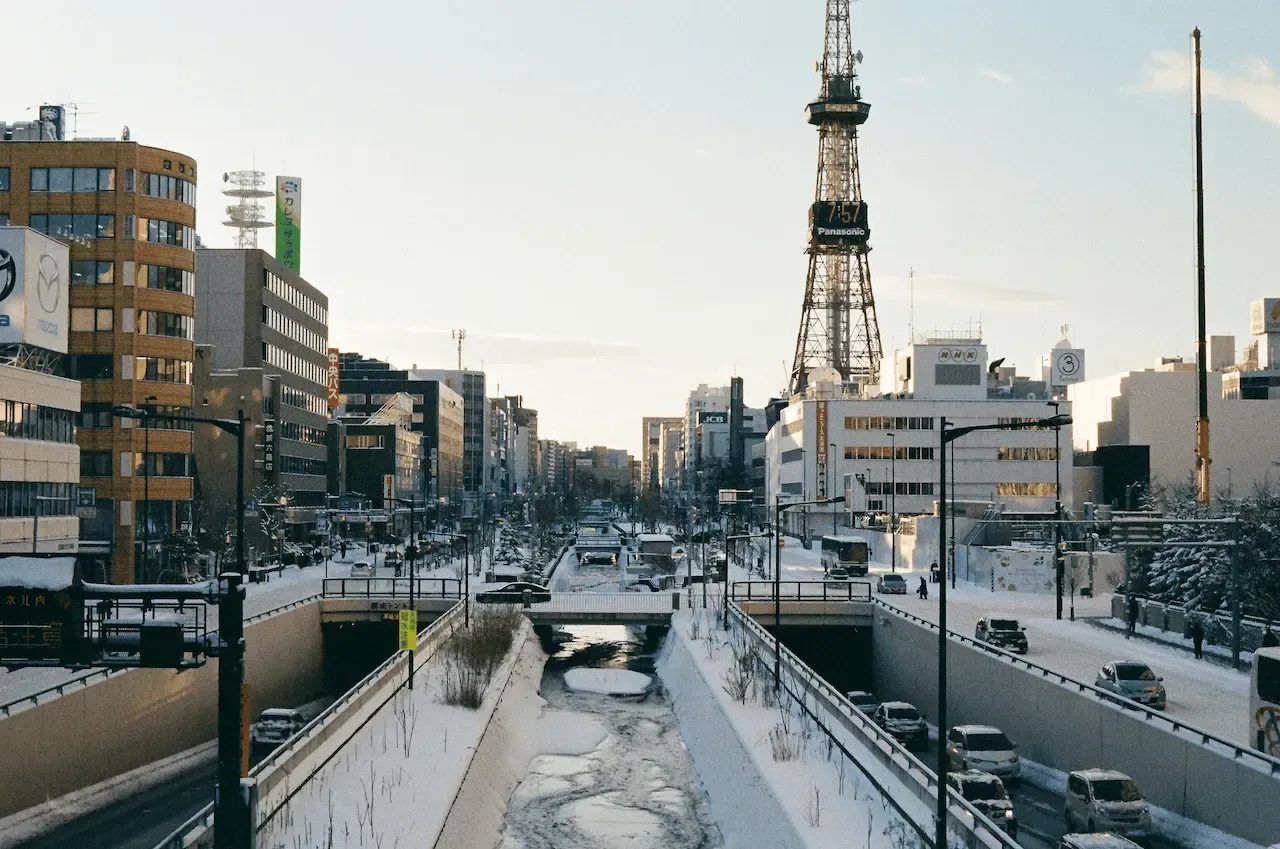
Step out around Sapporo Station and the first thing that lands is the width. Streets run in a grid, crossings feel less frantic, and the city has a practical northern plainness that makes Tokyo and Kyoto look fussy by comparison. Odori still fills up, Susukino still glows, and the underground passages can feel like a second city when the weather turns, but the daily rhythm is not built on crowd compression. Sapporo is a rare Japanese city where space changes how people move. You can actually breathe.
The trap is thinking Sapporo explains Hokkaido. It does not. Otaru has canal-side souvenir traffic and old warehouse corners, Hakodate looks south toward Honshu with its tram tracks and morning market, Furano and Biei run on farm roads and photo stops, while Shiretoko feels closer to bear country than to any city break. Distances stretch the island out until lazy planning starts to hurt. Pick one region and give it the time it needs.
Food is where Hokkaido makes the cleanest argument for itself. Soup curry is not delicate, it is a bowl of spice, vegetables and chicken built for cold streets and tired legs. Genghis Khan puts lamb on a domed grill with beer nearby, and seafood markets work best when you stop chasing status bowls and watch what local office workers order. The dairy is good, the corn is good, the crab is expensive and often treated like a trophy. Eat simply and you usually eat better.
Getting around Sapporo is easy because the grid, subway and underground walkways do a lot of quiet work. Getting around Hokkaido is where the romance thins out. The bullet train still stops short of Sapporo, regional trains do not stitch the island together like Honshu, and buses can turn a clean plan into waiting-room archaeology. A car opens Furano, Biei, lakes and onsen towns, but it also hands you weather, parking and long empty stretches. This is not a hop-on, hop-off island.
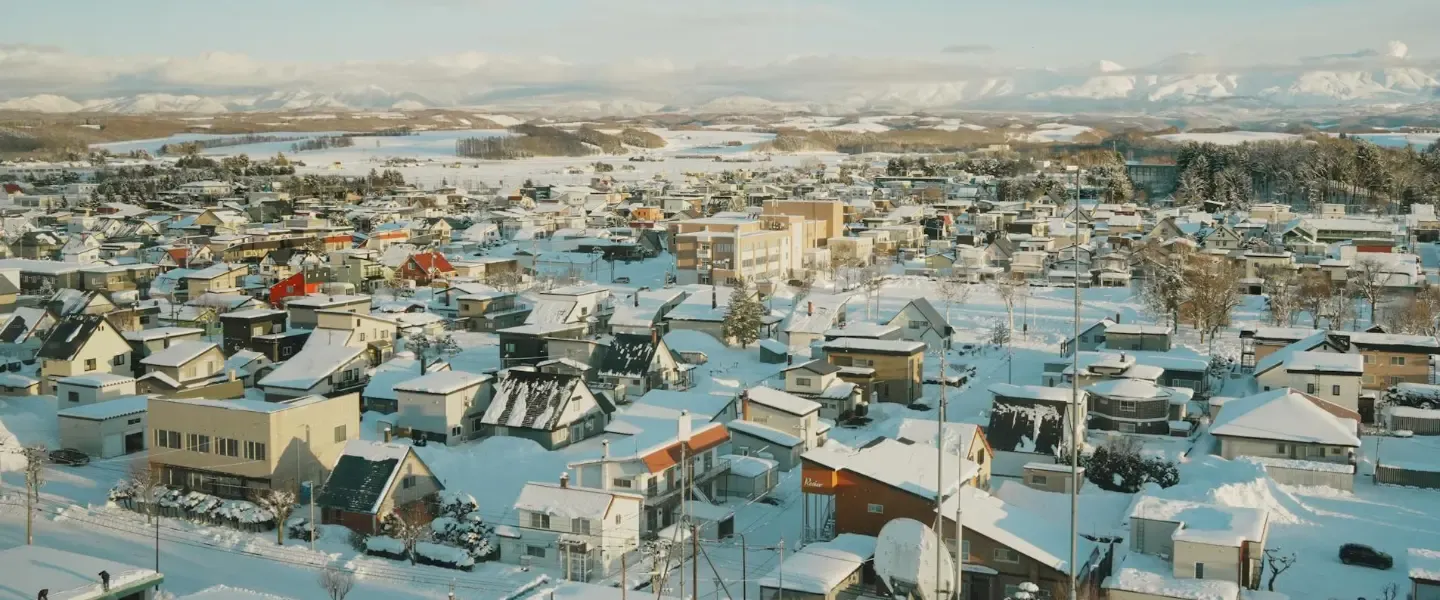
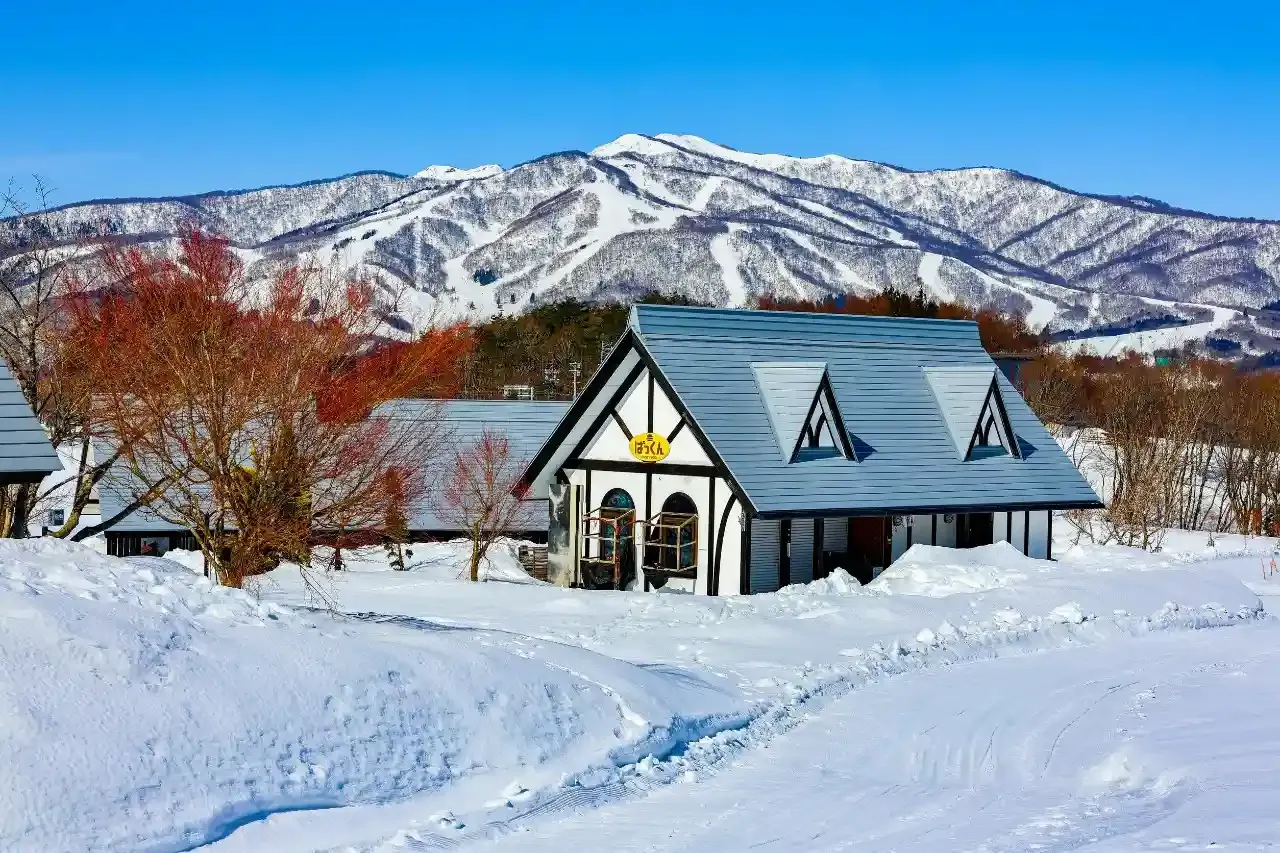
Winter changes the entire social rhythm of Hokkaido. Snow is not some decorative layer sitting on top of daily life here. In Niseko, ski boots stomp through convenience stores while Australians crowd ramen counters still wearing goggles on their heads, and powder talk replaces small talk by mid-afternoon. Furano feels quieter and more local, with fewer chalet investors and less of the imported ski-town bubble. The snow quality deserves the reputation, especially when storms roll in from the Sea of Japan and bury cars overnight, but the fantasy can wear thin fast if you hate driving in whiteout conditions or paying resort-town prices for mediocre burgers.
Susukino has more going on than hostess bars and bad decisions, though both are easy to find if you follow the wrong person down the wrong stairs. Tanukikoji gives you arcades, standing bars, late snacks and a useful weather shield, while the smaller cocktail rooms and music basements sit behind doors that give nothing away. Precious Hall has the kind of sound-system reputation that makes serious listeners speak softly. Ignore touts, read the room, and do not turn nightlife into a card statement.
Hokkaido is not for travelers who need Japan to be compact, warm, frictionless and fully translated. It is for people who like a place with working edges: snowbanks outside convenience stores, steam rising from onsen vents, melon fields beside straight roads, bear-warning signs that are not decorative, and seafood that still feels tied to the port. Some places are now pressured by visitors, especially resort towns and photogenic farm roads, but the island is still too large to fake your way through.
Lavender Season
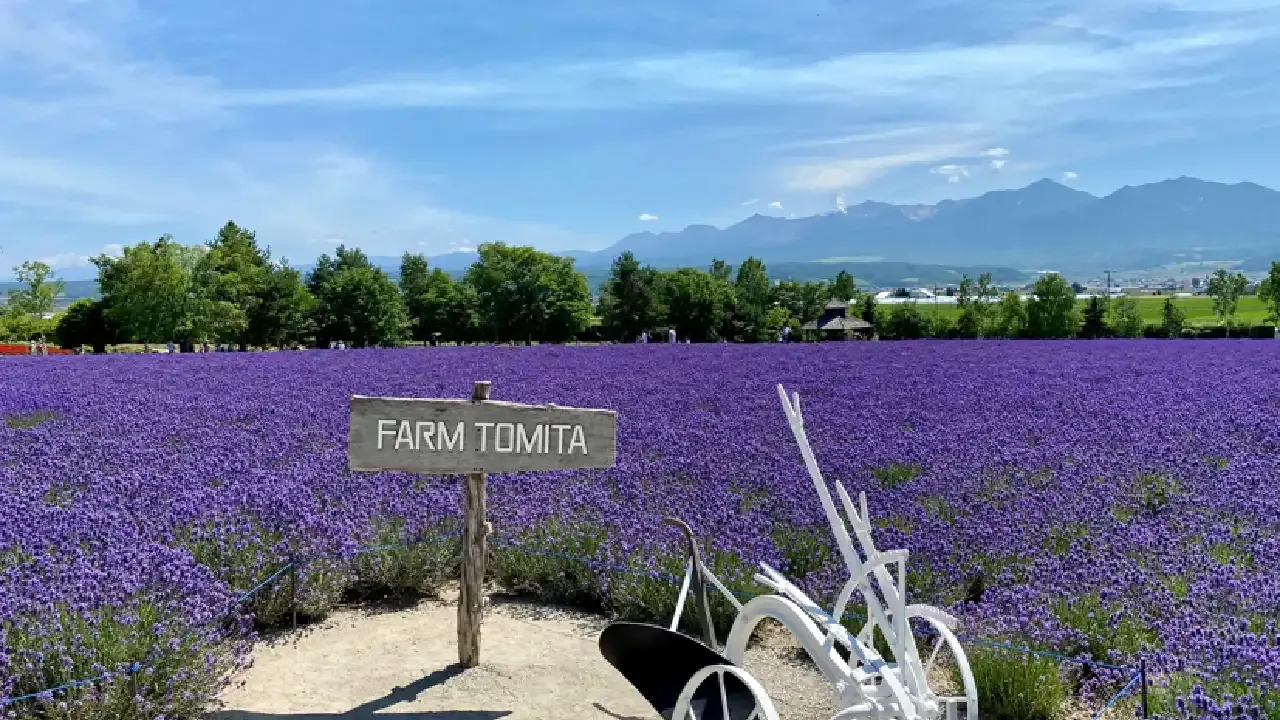
Furano's lavender season is worth seeing, but it is not the quiet purple dream people imagine from cropped photos. Farm Tomita and Nakafurano's fields can smell incredible in midsummer, that clean herbal punch mixed with melon stalls, soft-serve counters and tour-bus diesel. The problem is not the flowers. The problem is everyone stopping in the same lanes, aiming phones over the same rows, and treating working farmland like a stage set. Go early, sleep nearby, and leave before the car parks turn into a patience test.
The better trip treats Furano and Biei as a slow central Hokkaido base, not a single photo errand from Sapporo. Drive the farm roads before lunch, stop for corn or melon when the stalls open, then give Biei its own time instead of squeezing Blue Pond and Patchwork Road into the back half of a hot afternoon. The fields are at their best when you stop hunting the famous angle. Let the place be agricultural, slightly commercial, and still oddly beautiful.
Where to Stay in Hokkaido
- Skiing, resorts, English
Niseko
Niseko is Hokkaido's international snow machine, built around powder, chalets, English-speaking service and visitors who came to ski hard. It feels less like everyday Japan than anywhere else on this list, which is useful if you want smooth resort logistics and disappointing if you wanted local texture. Winter is expensive and crowded, while quieter seasons suit hikers, cyclists and people who can live with fewer open doors. Stay here for the mountain, not for Hokkaido as a whole.
Good for: Skiing, snowboarding, resort stays, English-speaking services.
Skip if: You want local Japan, cheap meals or a city base.
- History, trams, views
Hakodate
Hakodate is the southern Hokkaido base that feels least like Sapporo, with trams, slope streets, old port buildings and a morning market that still shapes the day. Motomachi and the bay area are best on foot, while Goryokaku and Yunokawa need tram or taxi hops. The famous night view is popular for a reason, but the better stay is about the city's slower port rhythm. Give it a night or do not bother.
Good for: Historic streets, tram travel, seafood, southern Hokkaido starts.
Skip if: You want one compact walking zone for every sight.
- Canal, seafood, quiet nights
Otaru
Otaru is a softer overnight base than most people give it credit for, especially after the day-trippers leave the canal. The glass shops and souvenir stretch get tired fast, but the port, sushi counters and older warehouse streets work better at walking pace than on a rushed afternoon stop. Nights are much quieter than Sapporo, and that is either the point or the problem. Stay here for a slower coastal reset.
Good for: Canal walks, seafood, slower nights, easy Sapporo access.
Skip if: You need late nightlife or lots of dinner choice.
- Central, parks, events
Odori Park
Odori Park is the clean middle ground between Sapporo Station and Susukino, with broad streets, subway access and the park strip giving the area breathing room. It works well for first-timers because you can walk to shopping arcades, TV Tower, Nijo Market and the main festival zones without committing to nightlife noise. Hotels facing the park feel calmer, while blocks closer to Susukino pick up more late foot traffic. Stay here when you want Sapporo to be easy.
Good for: First visits, central sightseeing, festival access, families.
Skip if: You want the cheapest beds or a strong neighborhood feel.
- Transport, shopping, transit
Sapporo Station Area
Sapporo Station Area is the practical base, not the romantic one. Airport trains, intercity rail, department stores, underground malls and winter-proof walkways all converge here, which matters when you are dragging bags through snow or using Sapporo for day trips. The trade-off is a businesslike feel, with big buildings and commuter movement replacing small-street character. Pick it for logistics, not charm.
Good for: Airport access, train trips, shopping, bad-weather logistics.
Skip if: You want quiet lanes, small bars or a local night routine.
- Nightlife, food, neon
Susukino
Susukino is Sapporo after dark, with ramen alleys, basement bars, late food and enough neon to make bad decisions look cinematic. The main strips get loud, smoky and a little pushy, especially where touts promise cheap drinks. Stay on quieter side streets if you want the access without sleeping above the noise. This is the wrong base for early nights.
Good for: Late food, bars, nightlife, staying close to Sapporo's after-dark core.
Skip if: You want quiet evenings or easy early starts.
Frequently Asked Questions
Planning & moving around
-
How many days do you need in Hokkaido?
Five to seven days is the minimum that feels like a real trip, not a Sapporo stopover with a long train ride attached. Use a week for Sapporo plus one region such as Otaru, Furano, Niseko or Hakodate. If you want Shiretoko, eastern Hokkaido or multiple corners of the island, plan closer to two weeks.
-
What are the best day trips from Sapporo?
Otaru is the easiest day trip because the train is simple and the canal area works well for a half day. Jozankei is the better choice if you want an onsen run without changing hotels. Furano, Biei and Niseko look close on maps, but they work better as overnights unless you enjoy spending the day in transit.
-
What should first-time visitors prioritise in Hokkaido?
Prioritise one strong region instead of chasing the whole island. Sapporo, Otaru and an onsen stop make an easy first route, while Furano and Biei need more breathing room. In winter, build the trip around snow properly or skip the performance and choose a city route elsewhere.
-
Which Hokkaido sights are overrated?
Sapporo Clock Tower disappoints people expecting a grand landmark; it is a small old building in the middle of the city. Sapporo TV Tower is fine, but JR Tower gives the better high view. Biei's Blue Pond is worth a short stop in the right light, not a whole day built around one photo.
-
Where can you store luggage in Sapporo?
Sapporo Station has the most useful coin lockers, especially around the main concourse, subway links and shopping levels. Large bags disappear quickly during snow events and holiday periods, so hotels are often the safer fallback. Ask your hotel first if you are returning through the same area.
-
Which ride-hailing apps work in Hokkaido?
Uber and DiDi work in Sapporo, but they usually dispatch licensed taxis rather than private cars. In central Sapporo, flagging a taxi or using a hotel taxi call is often just as easy. Outside the city, apps get thinner and train, bus, rental car or hotel pickup planning matters more.
-
Is Hokkaido good for digital nomads?
Hokkaido suits slow remote workers who want Sapporo comfort, outdoor weekends and fewer social distractions. It is not a deep nomad base, and winter or rural travel can make routines harder than expected. Sapporo is the practical base; Niseko is seasonal and more expensive.
Safety & medical
-
Are there areas in Sapporo to avoid?
Sapporo does not have a no-go district in the usual crime sense. The only area that needs extra judgment is Susukino late at night, where touts, bar overcharging and drunk street traffic create the main traveler problems. Walk past pitches, choose your own venue and keep your card in sight.
-
Is Sapporo safe to walk at night?
Yes, central Sapporo is safe to walk at night by big-city standards. Susukino stays bright and busy, which helps, but it also brings touts and messy drinking. The smart move is boring: stay on main streets, ignore invitations into bars and use a taxi when snow or alcohol makes walking stupid.
-
What happens if you get sick in Hokkaido?
Sapporo has strong hospitals, including Hokkaido University Hospital and Sapporo Medical University Hospital, but English support is not automatic. Dial 119 for an ambulance in an emergency. For minor problems, big pharmacy chains can help, but bring translated medication names and travel insurance details.
-
Do you need travel insurance for Hokkaido?
Yes, especially for skiing, snowboarding, hiking, rural driving or anything outside a simple city break. Japan's care is good, but foreign visitors still face bills, language friction and transport disruption. Check that winter sports and mountain rescue are included, not buried in exclusions.
-
How LGBTQ+ friendly is Hokkaido?
Sapporo is one of Japan's easier cities for LGBTQ travelers, with a small scene around Susukino and a more open civic reputation than many regional cities. Japan still does not treat LGBTQ rights the way many Western travelers expect, and rural Hokkaido is quieter and more conservative. Most visitors face politeness, not open hostility.
-
What if a child gets sick in Sapporo?
Sapporo has proper paediatric care, including larger hospitals and neighborhood clinics, but English-speaking staff are not guaranteed. For emergencies, call 119. Bring familiar children's medicine from home and carry the child's symptoms, allergies and medicines written in Japanese on your phone.
Laws & local norms
-
Do you need a license to rent a scooter in Hokkaido?
Yes, for normal scooters and motorbikes you need the right license plus an international driving permit that Japan accepts, or a Japanese license. Do not assume small electric scooter rules cover rural Hokkaido touring. Riding without the right paperwork can invalidate insurance and turn a crash into a legal problem.
-
What are the drug laws in Hokkaido?
Japan's drug laws are strict, and Hokkaido is no exception. Cannabis, THC products and recreational drugs are illegal, even if they are legal at home. Do not bring CBD unless you understand Japan's import rules and can prove it contains no controlled THC.
-
Can you vape in Hokkaido?
Vaping follows the same social logic as smoking: use designated areas and do not do it while walking through stations, shops or restaurants. Nicotine e-liquids brought into Japan are restricted to personal-use quantities. In Sapporo and resort towns, assume indoor vaping is not welcome unless a venue clearly allows it.
Food & drink
-
Which Sapporo markets are worth visiting?
Nijo Market is the easy central option, good for a quick seafood bowl if you accept the tourist markup. Sapporo Central Wholesale Market Curb Market is better for a longer morning food stop and less of a quick-photo circuit. Go early, eat simply, and avoid the counters selling status more than seafood.
-
Where do locals eat in Sapporo?
Locals do eat in Susukino, but not only in the loudest ramen alleys. Tanukikoji's side streets, station basement food floors and neighborhood izakayas around Odori are better bets than obvious crab counters. For seafood, the Curb Market is stronger when you go early and skip the hardest sell.
-
Where can you eat late in Sapporo?
Susukino is the late-night food zone, with ramen shops, izakayas, yakitori counters and post-drinking snacks running later than the rest of the city. Ramen Alley is famous, but the better move is often a side-street shop without the photo line. Odori is calmer and shuts down earlier.
-
What foods should first-timers try in Hokkaido?
Start with soup curry in Sapporo, miso ramen, Genghis Khan lamb and whatever seafood looks freshest rather than fanciest. Hokkaido dairy, corn and melon deserve attention too, especially outside the city. Crab and uni can be excellent, but they are also where tourists overpay for bragging rights.
-
Is Hokkaido vegan-friendly?
Sapporo is workable for vegans with planning, but Hokkaido as a whole is not easy. Dashi, dairy, meat broths and seafood seasoning show up even when a dish looks vegetable-based. Use HappyCow in the city, carry a Japanese dietary card and expect rural towns to have limited options.
-
Is Hokkaido halal-friendly?
Sapporo has some halal-aware restaurants and Muslim-friendly listings, but Hokkaido is not an easy halal destination compared with major Southeast Asian cities. Niseko and larger hotels are more used to international dietary requests than small towns. Plan meals in advance and confirm alcohol, pork and broth ingredients directly.
Families & kids
-
Is Hokkaido good for travel with kids?
Yes, if your family handles distance and weather well. Sapporo is easy with children, and Hokkaido's parks, trains, snow activities, farms and simple food work better than many packed city routes. The hard parts are long transfers, winter footing and trying to cover too much island in one trip.
-
Is Sapporo manageable with a stroller?
Central Sapporo is manageable with a stroller, especially around Odori, Sapporo Station and the underground walkways. Elevators exist at major stations, but they are not always where you want them. Snow and slush are the real problem, not sidewalk quality.
Staying longer
-
Where should you stay in Hokkaido?
Stay in Sapporo if this is your first trip and you want food, trains and easy airport access. Pick Odori for balance, Sapporo Station for logistics, and Susukino for late food and bars. Niseko is for snow trips, Otaru is for a slower coastal night, and Hakodate works best if southern Hokkaido is the point.
After dark
-
What changes after dark in Sapporo?
Sapporo moves indoors after dark, especially outside warm weather. Susukino takes over for food, bars, karaoke and adult nightlife, while Odori and the station area feel more functional. The city is not wild, and it is better for late eating than for club-hopping.
-
Where do nights go wrong in Sapporo?
Nights go wrong in Susukino when travelers follow touts into bars or let staff take a card out of sight. The usual pattern is cheap drinks at the door, then cover charges, inflated rounds or pressure to pay a stupid bill. Pick your own venue and leave before politeness gets expensive.
-
What are Sapporo's best nightlife areas?
Susukino is the main nightlife district, with izakayas, ramen, karaoke, cocktail bars and adult venues mixed together. Tanukikoji is better for a softer night of food, covered walking and smaller bars. Odori works for calmer drinks but does not carry the same late-night energy.
-
Does Sapporo have a red-light district?
Yes, Susukino includes Sapporo's adult nightlife blocks, especially south of the station area. Expect hostess clubs, adult venues, massage signs, touts and plenty of ordinary restaurants mixed into the same streets. If it is not your scene, stay closer to Odori or Sapporo Station and walk past pitches without engaging.