
Osaka Right Now
Waste management issues are ongoing in Osaka, with increasing waste volumes straining incinerator capacity due to a surge in tourism.
Epica · Osaka
Respect for the Aged Day
BABYMONSTER 2026-27 World Tour · Kyocera Dome Osaka, Osaka
Citizens' Holiday
Interest in travel to Osaka remained about the same as a year ago, suggesting demand is holding steady.
Best time to visit Osaka
Not the best time to visitTyphoon season
September in Osaka brings frequent rain, though crowds are lighter than usual. Be aware of the typhoon season risk during your visit.
SCORE BY MONTH
Visit Osaka in April, May, October, or November for pleasant temperatures and less rain. Avoid July and August due to high heat, humidity, and the risk of typhoons.
Visitor data: Japan Tourism Agency Accommodation Survey, total guest nights (2024-2025 average)
Day-to-day in Osaka
Walkability
84/100
Osaka is easy to walk within central districts, especially around stations, arcades and food streets. Longer hops between neighborhoods usually belong on trains, not on foot.
Station approaches and shopping arcades are well paved, but side streets narrow around parked bicycles.
Namba, Umeda and Tenma work well on foot, but cross-city sightseeing needs trains.
Drivers usually obey crossings, though wide junctions around stations can feel tense at rush hour.
A few months are tough on walkers, but the rest of the year is workable for daily outdoor time.
-
Monthly cost
$1,961 / month
EXPENSIVESolo mid-range stay including rent, daily eating out, groceries, and routine costs.
-
FOOD SCENE
Daily life tilts toward eating out, not wellness routines or beach-style downtime. Dotonbori, Kuromon Market, Tenma and Shinsekai make grazing across takoyaki, okonomiyaki and kushikatsu feel like the local sport.
-
Coworking
$155 / month
AFFORDABLECoworking clusters around Umeda, Namba and Honmachi, with reliable desks and meeting rooms for workdays. The weak spot is community, since many spaces feel more like quiet serviced offices than social nomad hubs.
-
Gym
$56 / month
AFFORDABLEAnytime Fitness and other chains are easy to find around Umeda, Namba and Honmachi. Expect clean, compact city gyms, with day access easier at hotel gyms and larger fitness clubs than at strict membership chains.
Need to Know
- Population
- 8,764,578 Statistics Bureau · 2025 Census
- Currency
- Japanese yen (JPY)
- Language
- Japanese; basic English common in tourist areas, limited elsewhere
- Tap water
- Safe to drink
- Time zone
- JST (UTC+9)
- Power plug
- Type A / B, 100V
- Dialing code
- +81
- Driving side
- Left
- Tipping
- Not expected and sometimes awkward. High-end ryokan staff or private guides may accept a discreet cash tip in an envelope.
- Internet
- Fast and reliable across the city, with strong 4G and widespread 5G coverage in central Osaka.
- Emergency
- 110 police, 119 ambulance and fire
When not to go
-
Golden Week crushes Kansai transport
29 Apr – 5 MaySkip Osaka during Golden Week unless packed trains and sold-out hotels are the point of the trip. Shinkansen reservations disappear days ahead, lines at Universal Studios Japan stretch past two hours, and even late-night restaurant districts like Dotonbori stay jammed. If you want the same food-and-city trip without the gridlock, go earlier in April or after mid-May.
Upcoming Events & Holidays in Osaka
Upcoming events, next 30 days
On the horizon
Public holidays & observances, next 12 months
Dates are researched and checked, but events move. Always confirm with the official source before you book anything around them.
Getting To Osaka
-
Kansai International Airport (KIX)
50 km southwest of Osaka city center
The JR Haruka Express is the fastest and most comfortable option for most, especially if you have a Japan Rail Pass. The Nankai Rapi:t is a good alternative if your accommodation is closer to Namba. Taxis are very expensive and only worth it for large groups or late-night arrivals.
Direct flights from Kansai
Serves 69 direct destinations, 54 international and 15 domestic, about 267 flights a day.
International 54- Seoul ICN South Korea
 Aero K Airlines
  Air Busan A Air Incheon
 A Air Seoul
 Asiana Airlines
  EASTAR JET
  Jeju Air
  Jin Air
  Korean Air P Parata Air
  Peach Aviation
  T'Way Air 43/day
 - Taipei TPE Taiwan
 AirAsia X
  Cathay Pacific
  China Airlines
  EVA Air
  Jetstar Japan Peach Aviation
  Starlux Airlines
  Thai Lion Air
  Thai Vietjet Air
  Tigerair Taiwan 22/day
 - Hong Kong HKG Hong KongA AHK Air Hong Kong Limited Cathay Pacific H HGB
H Homer Air H Hong Kong Airlines
 Hong Kong Express Peach Aviation 21/day
 - Shanghai PVG China
 Air China
  China Eastern Airlines C China Postal Airlines
  Japan Airlines
  Juneyao Airlines Peach Aviation S Shanghai Airlines
  Spring Airlines
  ANA 15/day
- Busan PUS South Korea Air Busan EASTAR JET Jeju Air Jin Air T'Way Air 14/day
- Seoul GMP South Korea Asiana Airlines Jeju Air Korean Air Peach Aviation T'Way Air 12/day
- Kaohsiung City KHH Taiwan AirAsia China Airlines EVA Air Peach Aviation Tigerair Taiwan 7/day
- Bangkok BKK Thailand Japan Airlines Peach Aviation
 Thai Airways International Thai Vietjet Air 5/day
 - Singapore SIN Singapore Peach Aviation
 Scoot
Scoot  Singapore Airlines 5/day
 - Beijing PEK China Air China ANA
 Hainan Airlines 4/day
 - Cheongju CJJ South Korea Aero K Airlines T'Way Air 3/day
- Qingdao TAO ChinaQ Qingdao Airlines S SF Airlines
 Shandong Airlines 3/day
 - Manila MNL Philippines
 Cebu Pacific Air
  Philippine Airlines Jetstar Japan 3/day
 - Hanoi HAN Vietnam VietJetAir
 Vietnam Airlines 3/day
 - Daegu TAE South Korea T'Way Air 1-2/day
- Honolulu HNL United StatesA Alaska Airlines Japan Airlines 1-2/day
- Kuala Lumpur KUL Malaysia AirAsia X
 Malaysia Airlines
  Malindo Air 1-2/day
 - Ho Chi Minh City SGN Vietnam VietJetAir Vietnam Airlines 1-2/day
- Helsinki HEL FinlandF Finnair1-2/day
- Hangzhou HGH China Air China B Beijing Capital Airlines L Loong Air 1-2/day
- Wuxi WUX ChinaS SF Airlines
 Shenzhen Airlines 1-2/day
 - Dubai DXB United Arab Emirates
 Emirates ~1/day
 - Guangzhou CAN China
 China Southern Airlines ~1/day
 - Istanbul IST Türkiye
 Turkish Airlines ~1/day
 - Jeju City CJU South Korea T'Way Air ~1/day
- Jinan TNA China Shandong Airlines ~1/day
- Los Angeles LAX United States Japan Airlines ~1/day
- Nantong NTG ChinaS Sichuan Airlines~1/day
- San Francisco SFO United States
 United Airlines ~1/day
 - Guam GUM Guam United Airlines ~1/day
- Shenzhen SZX China Shenzhen Airlines ~1/day
- Da Nang DAD Vietnam Vietnam Airlines ~1/day
- Doha DOH Qatar
 Qatar Airways ~1/day
 - Lapu CEB Philippines Cebu Pacific Air Philippine Airlines ~1/day
- Munich MUC Germany
 Lufthansa ~1/day
 - Yantai YNT ChinaC China Central Airlines~1/day
- Abu Dhabi AUH United Arab Emirates
 Etihad Airways 5/week
 - Bangkok DMK Thailand Thai AirAsia X 5/week
- Brisbane BNE Australia Jetstar 5/week
- Cairns CNS Australia Jetstar 5/week
- Yiwu YIW ChinaC China Postal Airlines5/week
- Amsterdam AMS Netherlands
 KLM 4/week
 - Dalian DLC China Spring Airlines 4/week
- Ningbo NGB ChinaC China Central Longhao4/week
- Paris CDG FranceA Air France4/week
- Taipa MFM Macau
 Air Macau 4/week
 - Toronto YYZ Canada
 Air Canada 4/week
 - Chiangmai CNX Thailand Thai Vietjet Air 3/week
- Chicago ORD United States China Airlines 3/week
- Jebel Ali DWC United Arab Emirates Emirates 3/week
- Shijiazhuang SJW ChinaC China Postal Airlines3/week
- Sydney SYD Australia Jetstar 3/week
- Ulaan Baatar UBN MongoliaM Miat - Mongolian Airlines2/week
- Tianjin TSN ChinaT Tianjin Airlines1/week
Within Japan 15
- Tokyo HND ANA ANA Wings Japan Airlines
S StarFlyer
18/day - Sapporo CTS ANA Japan Airlines Jetstar Japan Peach Aviation Spring Airlines Japan 14/day
- Naha OKAJ Japan Transocean Air Jetstar Japan Peach Aviation 12/day
- Tokyo NRT Jetstar Japan Peach Aviation E Envoy Air 8/day
- Fukuoka FUK Peach Aviation 4/day
- Ishigaki ISG ANA J Japan Transocean Air Peach Aviation 4/day
- Sendai SDJ Peach Aviation 3/day
- Kagoshima KOJ Peach Aviation 1-2/day
- Miyako City MMYJ Japan Transocean Air~1/day
- Miyazaki KMI Peach Aviation ~1/day
- Nagasaki NGS Peach Aviation ~1/day
- Amami ASJ Peach Aviation ~1/day
- Kushiro KUH Peach Aviation 3/week
- Ōzora MMB Peach Aviation 2/week
- Kobe UKBT TBJ1/week
Nonstop routes only. Flights per day are an average, each way. Data: AeroDataBox, updated July 2026.
Visa rules apply at the country level. See the full Japan visa guide, with every visa and its official do-it-yourself cost. -
-
Osaka International Airport (ITM)
15 km north of Osaka city center
ITM is primarily a domestic airport, but it's much closer to the city. The monorail and train combination is efficient and budget-friendly. Limousine buses are also convenient and drop off at major stations.
Direct flights from Itami
Serves 26 direct destinations, 1 international and 25 domestic, about 201 flights a day.
International 1- White Plains HPN United States Japan Airlines 1/week
Within Japan 25
- Tokyo HND ANA ANA Wings Japan Airlines 34/day
- Sendai SDJ ANA I IBEX Airlines Japan Airlines 16/day
- Kagoshima KOJ ANA Japan Airlines 15/day
- Fukuoka FUK ANA I IBEX Airlines Japan Airlines 12/day
- Miyazaki KMI ANA Japan Airlines 12/day
- Kumamoto KMJA Amakusa Air ANA Japan Airlines 12/day
- Sapporo CTS ANA Japan Airlines 11/day
- Niigata KIJ ANA I IBEX Airlines Japan Airlines 11/day
- Matsuyama MYJ ANA Japan Airlines 11/day
- Nagasaki NGS ANA Japan Airlines 9/day
- Ōita OIT ANA Japan Airlines 8/day
- Akita AXT ANA Japan Airlines 7/day
- Aomori AOJ ANA Japan Airlines 7/day
- Naha OKA ANA Japan Airlines 7/day
- Nankoku KCZ ANA 7/day
- Izumo IZO Japan Airlines 5/day
- Sukagawa FKS ANA I IBEX Airlines 4/day
- Yamagata GAJ Japan Airlines 3/day
- Hakodate HKD ANA Japan Airlines 1-2/day
- Misawa MSJ Japan Airlines 1-2/day
- Tajima TJH JAL Japan Airlines 1-2/day
- Amami ASJ Japan Airlines ~1/day
- Okinoshima OKI Japan Airlines ~1/day
- Yakushima KUM JAL Japan Airlines ~1/day
- Tokyo NRT JAL 1/week
Nonstop routes only. Flights per day are an average, each way. Data: AeroDataBox, updated July 2026.
-
-
Shinkansen from Tokyo
Direct high-speed service, arrives at Shin-Osaka Station
The Shinkansen is the most common way to travel between Tokyo and Osaka. Nozomi trains are faster but not covered by the Japan Rail Pass; Hikari trains are covered and only slightly slower. Book seats in advance, especially during peak travel seasons.
Safety Advice
Osaka is considered one of the safest cities globally, with a very low crime index. While petty crimes like pickpocketing are rare, exercising caution in crowded tourist areas is still advised. The city's efficient public transport and strong community focus contribute to its high safety rating.
Seismically active region
Earthquakes
Osaka sits in a seismically active region. Most days you'll never notice it, but strong earthquakes do occur from time to time. It's worth knowing your accommodation's emergency exits and following local instructions if an earthquake occurs.
See the 5 strongest nearby earthquakes
- M6.22016 · 172 km · Kurayoshi
- M6.12022 · 193 km · Toba
- M5.92016 · 167 km · Shingō
- M5.82025 · 145 km · Shingū
- M5.82013 · 71 km · Sumoto
Source: U.S. Geological Survey · Updated August 2026
Common Scams in Osaka
-
Nightlife Bottakuri Bars
HIGH RISKTrigger:A street tout offers cheap drinks near Dotonbori
Touts known as kyakuhiki steer visitors into bars with hidden seating charges, wildly inflated drink prices or aggressive upselling once inside. The problem clusters around Namba, Dotonbori and parts of Shinsaibashi, especially late at night after trains slow down.
How to avoid: Ignore street touts entirely, even if they speak fluent English or offer free entry. Pick bars yourself and check reviews and menu pricing before sitting down.
-
Overcharging Taxi Drivers
MEDIUM RISKTrigger:A driver near Kansai Airport refuses to start the meter
A small number of drivers targeting tired arrivals quote inflated flat fares or claim the meter is broken, especially for late-night rides into central Osaka. The loss is usually financial rather than dangerous, but the fare can end up far above the real rate.
How to avoid: Use official taxi ranks, Uber Taxi or GO Taxi where the fare is tracked in the app. If a driver refuses the meter, get out immediately.
-
Fake Monk Donations
LOW RISKTrigger:Someone offers an amulet near a shrine entrance
Scammers dressed vaguely like monks hand over beads, charms or paper slips, then pressure tourists into donations by pointing at fake lists of previous donors. The scam appears occasionally around busy temple and shopping areas with heavy foot traffic.
How to avoid: Do not accept unsolicited items from strangers near shrines or stations. Real temple donations in Japan are passive and clearly marked.
-
Borrowed Phone Theft
LOW RISKTrigger:A stranger urgently asks to borrow your phone
The person pretends to need help making a call, then runs off with the device or passes it to an accomplice in a crowded area. Reports tend to come from nightlife districts where people are distracted or drunk.
How to avoid: Do not hand your phone to strangers directly. If you want to help, offer to place the call yourself or point them toward a koban police box.
Mistakes to Avoid
-
Not Carrying Enough Cash
MINOR CONSEQUENCELarge department stores and hotels take cards without issue, but plenty of ramen shops, older bars, shrines and small restaurants still prefer cash. Travelers relying entirely on cards end up wasting time hunting for compatible ATMs or skipping places entirely.
Fix: Carry enough yen for a full day of transport, meals and small purchases. Convenience store ATMs are the safest fallback.
-
Confusing Train Stations
MINOR CONSEQUENCEOsaka Station, Umeda Station and Shin-Osaka Station sound interchangeable to first-time visitors but serve very different lines and areas. Mixing them up can easily cost you an hour or a missed Shinkansen connection.
Fix: Check both the station name and railway company before leaving. Shin-Osaka handles Shinkansen trains, while Osaka Station is the main local hub.
-
Eating on Local Transit
Eating or drinking on commuter trains, especially during busy hours, draws irritated looks fast in Osaka. Strong-smelling food is the fastest way to become the carriage problem everybody notices.
Fix: Finish snacks before boarding or wait until you are on a long-distance train where eating is normal. A bottled drink is usually fine.
-
Wrong Escalator Side
In Osaka and much of Kansai, people stand on the right side of escalators and leave the left side clear for walkers. Blocking the flow during rush hour annoys commuters immediately.
Fix: Follow the local pattern instead of Tokyo habits. In Osaka, stand right.
-
Talking Loudly at Dinner
Counter restaurants, sushi spots and smaller izakayas can turn awkward quickly if your group is the loudest thing in the room. Osaka is more relaxed than Tokyo, but people still notice.
Fix: Match the volume around you and step outside for phone calls. Staff rarely confront tourists directly, but the room changes when somebody is shouting.
-
Ignoring Restaurant Greeting
Walking straight into a small restaurant and seating yourself can confuse staff or annoy places with assigned seating systems. Some shops operate with lines or ticket machines that are not obvious at first glance.
Fix: Pause near the entrance and wait to be acknowledged. If unsure, a quiet sumimasen usually resets the situation.
Money & Payments
Carry cash for markets and smaller restaurants, use cards in chains and hotels, always pay in yen.
-
Cash for Smaller Places
Cash still matters in Osaka, especially around Kuromon Market, older ramen shops, standing bars in Tenma and smaller eateries in Shinsekai. Late-night taxis and temple donations are also often cash-only.
-
Cards Work Most Places
Visa and Mastercard work reliably in department stores, hotels, chain restaurants and most convenience stores across Osaka. American Express acceptance is weaker outside larger businesses and international hotel groups.
-
Convenience Store ATMs
7-Eleven, Lawson and Japan Post Bank ATMs are the easiest option for foreign cards and usually include English menus. Most withdrawals cap around ¥100,000 per transaction, and foreign-card fees of about ¥110 to ¥220 are common depending on the ATM and your bank.
-
Expo Site Payments
Expo 2025 Osaka operates entirely cashless, including food stalls and vending machines inside the venue. Credit cards, IC transit cards, Apple Pay and QR payment apps are accepted throughout the site.
-
Pay Only in Yen
Always choose Japanese Yen when paying by card or withdrawing cash. Dynamic currency conversion gives the exchange rate control to the terminal operator, and the rate is usually a ripoff.
-
Accommodation Tax Applies
Osaka charges an accommodation tax on many hotel stays, collected separately at check-in or checkout. The amount depends on the nightly room rate and usually ranges from ¥100 to ¥300 per person.
-
International Transfers
To send money to a bank account in Japan, for things like rent or day-to-day expenses, services like Wise or Remitly usually offer better rates than traditional banks and faster delivery.
You'll typically need the recipient's full name, account number, and SWIFT/BIC code. Some banks may also require a local address.
Costs in Osaka
Osaka is significantly more affordable than Tokyo, especially when it comes to accommodation and dining. You can enjoy delicious street food and efficient public transport without breaking the bank, making it a great value destination.
Save money?
Sign up for our guide on how to save money on your next trip.
SIM Cards & Data
Best option for most travelers: an eSIM you set up before you arrive. You'll be online the moment you land, with no airport line and no tourist pricing.
Travel eSIMs Connect the second you land. Zero hassle. Skip the airport line and paperwork. Activate before you fly and land connected. Find the best eSIM →Prefer a local SIM?
Osaka offers widespread 4G coverage, with 5G readily available in major city areas like Namba, Umeda, and Tennoji, ensuring reliable speeds for navigation, ride-hailing, messaging, and video streaming. Even in more residential or slightly less central areas like Honmachi or Kyobashi, you can expect consistent and fast mobile data.
What Osaka is Like
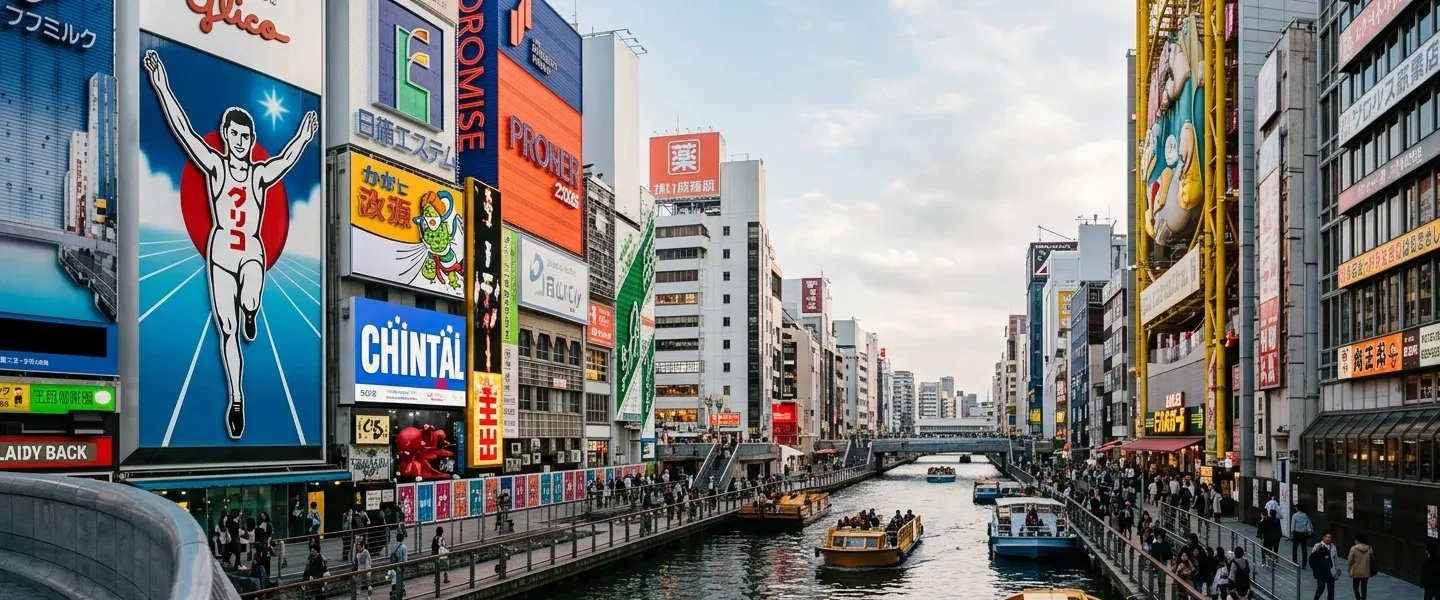
Osaka hits you fast. The moment you step out around Namba or Umeda, the city feels louder, looser and less rehearsed than Tokyo, with train station speakers bleeding into arcade noise and restaurant staff shouting orders across narrow alleys slick with spilled beer and rainwater. It does not lean on serenity or careful presentation the way Kyoto does. People here joke more openly, complain more openly too, and conversations with strangers tend to happen without the invisible wall you feel elsewhere in Japan. That difference changes the whole mood of a trip. Osaka feels like a city people still use instead of one carefully preserved for visitors.
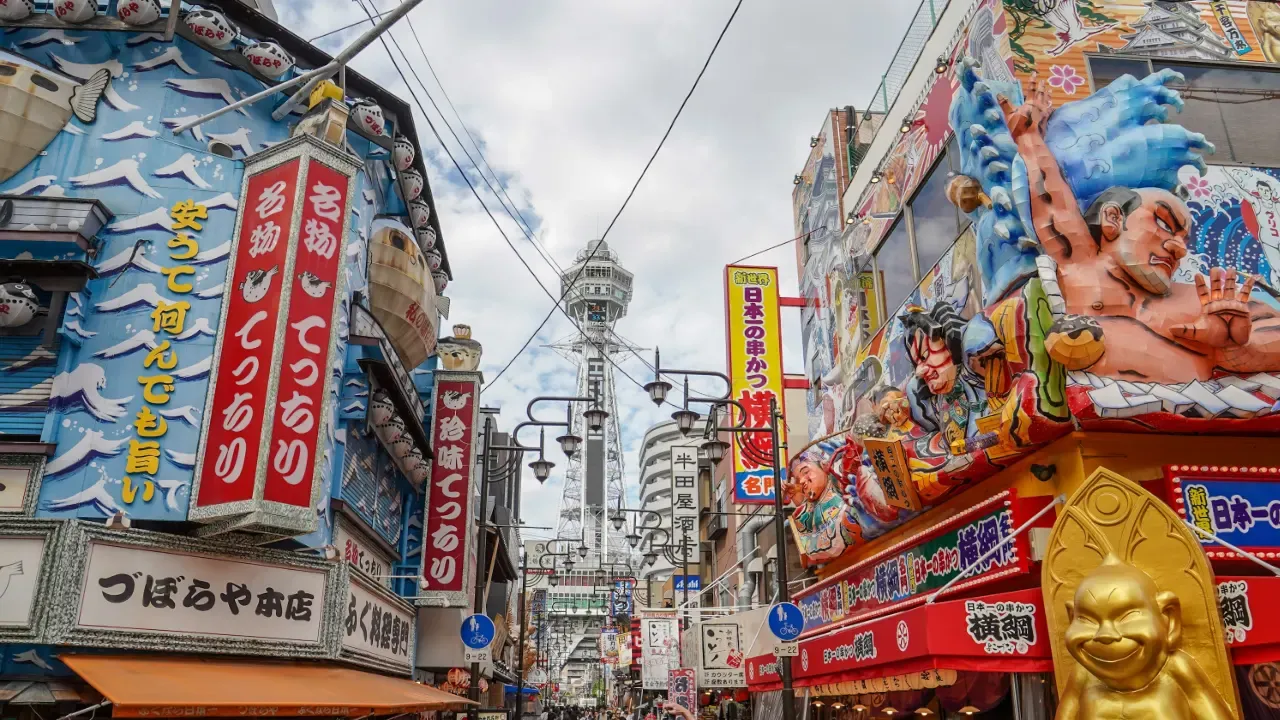
Food is the organizing principle behind almost everything here, but not in the polished tasting-menu sense travel magazines love to photograph. Under the tracks in Tenma, office workers stand shoulder to shoulder eating skewers beside ashtrays overflowing onto the sidewalk while tiny ramen shops blast baseball commentary late into the night. Shinsekai still feels slightly worn around the edges, with flickering neon, old men drinking beer before noon and kushikatsu spots coated in decades of fryer grease. Dotonbori gets all the attention, but much of it now feels engineered for tourists moving in slow clusters beneath the giant crab signs. The better meals usually happen somewhere less photogenic.
Morning arrives slowly in Osaka. Outside kissaten coffee shops and convenience stores, large parts of the city do not properly wake up until closer to lunch, especially after weekends when the previous night clearly lasted too long. Nakazakicho, with its cramped cafes tucked into old wooden houses, feels almost disconnected from the concrete canyons around Osaka Station, while Amerikamura pulls in a younger crowd drifting between vintage clothing stores, tattoo studios and tiny basement music venues. The city changes personality every few train stops. Anyone expecting one clean version of Osaka usually ends up disappointed.
Getting around is efficient right up until it suddenly isn't. The trains are clean, fast and easy to decode once you stop panicking at the station maps, but missing the last train after midnight can leave you stranded beside drunk salarymen competing for taxis outside convenience stores. Another thing visitors underestimate is how physically tiring Osaka can become after a few days. The city is dense, loud and relentlessly commercial, packed with shopping arcades, flashing screens and endless corridors inside stations that seem designed to test your patience. If your ideal Japan trip involves silence, careful aesthetics and early mornings, Osaka can wear you down quickly.
After dark is when Osaka finally starts making complete sense. Tiny bars in Ura-Namba spill onto alleyways barely wide enough for two people to pass, chefs smoke cigarettes outside kitchen doors between orders, and groups of friends drift between karaoke booths and late-night noodle counters until the first trains start moving again. The city still has rougher edges than most major Japanese destinations, especially around parts of Tobita Shinchi and the backstreets near Dobutsuen-mae where old poverty and newer tourism awkwardly overlap. That friction gives Osaka texture. Without it, this would just be another polished entertainment district with better food.
Universal Studios Japan
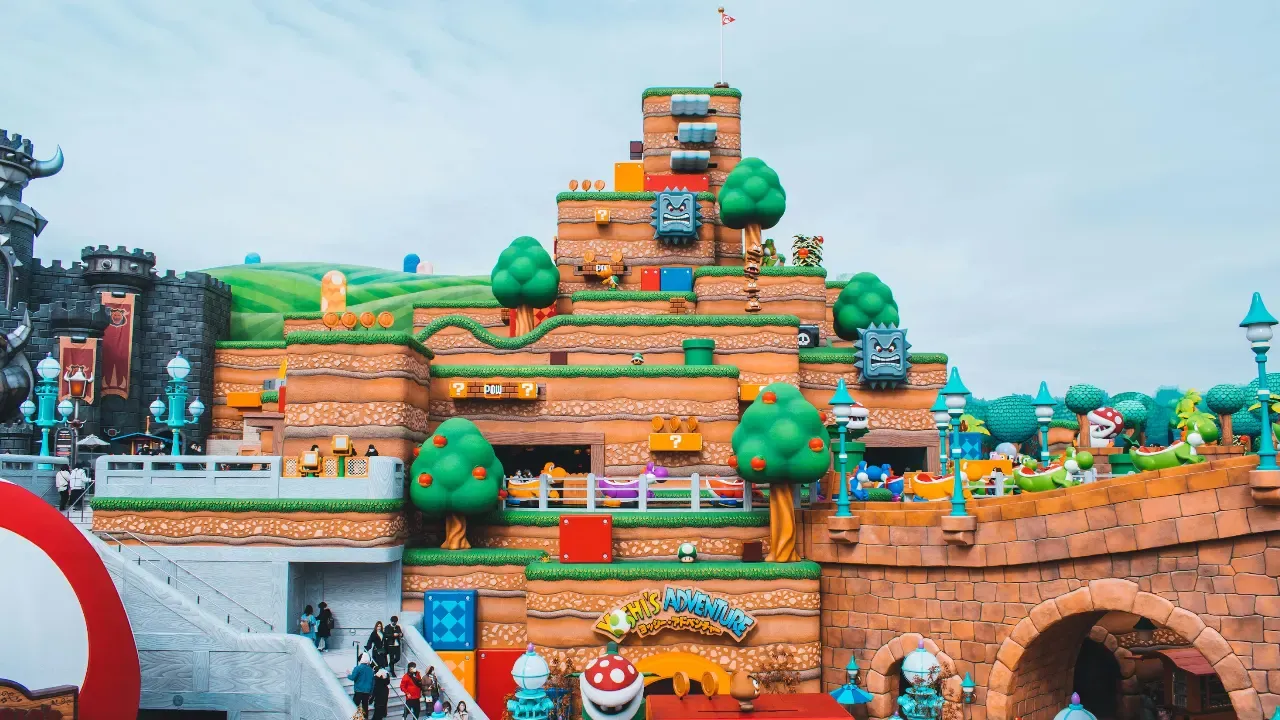
Universal Studios Japan is not a casual add on, it is a full day that needs planning or it will punish you. The line for Super Nintendo World can start forming before the gates even open, and by mid morning you are already dealing with timed entry tickets and two hour waits. You hear the same looped music while barely moving, watching people refresh apps hoping for a slot. If you go in thinking you will just wander in and ride things, you will spend most of the day standing still instead of doing anything.
Getting there is the easy part, which is part of the trap. From Osaka Station you hop on the JR loop line to Nishikujo, switch once, and you are at Universal City in under half an hour. The trains run constantly and dump you right at the gates with a steady stream of people already committed to the same plan. That convenience means there is no natural filter. Weekends and school holidays feel like the entire Kansai region had the same idea at the same time.
If you want to actually enjoy it, you either arrive early enough to be near the front or you pay to skip the worst of it. The express pass is not optional if your goal is to hit the headline rides without wasting half your day. Super Nintendo World, Harry Potter, and the bigger coasters all bottleneck hard. Without some form of priority access you will be choosing between two or three major rides and calling it a day.
There is one workaround that people ignore, and it works. Single rider lines move much faster because the park uses them to fill empty seats, especially on the bigger rides. You will not sit together and you might get split up at the last second, but you can cut wait times down dramatically if you are flexible. For couples or friends who do not mind riding separately, this is often the difference between a frustrating day and actually getting through the park.
It is not built for everyone, and pretending it is will ruin it. Families with kids who want the themed areas and character stuff tend to get more out of it than adults chasing rides alone. If you are going, stay in Osaka and treat it as a day trip rather than locking yourself into the area overnight. Once the park closes, Universal City is dead compared to the rest of Osaka, and you will wish you were back in the city eating instead of circling souvenir shops.
Where to Stay in Osaka
- Theme parks, bay area, families
Bay Area
Bay Area Osaka revolves around Universal Studios Japan, large hotels and wide waterfront promenades that feel completely detached from the dense energy of central Osaka. Families and theme park visitors stay here to avoid long train rides after dark, especially around Universal City where restaurants and souvenir shops stay active late into the evening. Outside the amusement areas, much of the district becomes quiet surprisingly fast. It feels more functional than soulful.
Good for: Universal Studios, family trips, waterfront hotels.
Skip if: You want Osaka's food scene and nightlife within walking distance.
- Food, bars, local life
Fukushima
Fukushima attracts the kind of traveler who would rather spend the evening squeezed into a tiny standing bar than line up for photos in Dotonbori. During the day the streets feel almost residential, with coffee shops, apartment blocks and office workers moving quietly between lunch spots, but after dark the alleys fill with izakayas and wine bars packed shoulder to shoulder. You stay here for the food scene more than sightseeing. Tourist landmarks are mostly somewhere else.
Good for: Local dining, bars, repeat visits to Osaka.
Skip if: You want famous attractions within walking distance.
- Transport, shopping, business
Umeda
Umeda feels like Osaka built upward and underground at the same time, with department stores stacked over train lines and entire malls hidden beneath the streets. It works extremely well as a base if you are taking day trips to Kyoto, Kobe or beyond, since half the city's rail network seems to pass through here eventually. The area around Osaka Station can become exhausting fast, especially during commuter hours when every corridor turns into a slow-moving crowd. Stay a few blocks away from the station maze and it gets easier to breathe.
Good for: Regional train access, shopping, short Osaka stays.
Skip if: You want old streets, small bars and local character.
- Youth culture, vintage shopping, nightlife
Amerikamura
Amerikamura still carries traces of Osaka's scruffier creative scene, even as chain stores and tourists keep pushing further in from Shinsaibashi. Tiny vintage shops, tattoo studios, basement bars and smoke-filled music venues cluster around Triangle Park, where people linger outside convenience stores well into the night. The neighborhood stays loud almost constantly, especially on weekends when the streets fill with drinking crowds and modified cars circling slowly through traffic. It suits people who do not mind a little chaos.
Good for: Street fashion, underground music, late nights.
Skip if: You want quiet evenings or traditional surroundings.
- Shinkansen, transit, overnight stays
Shin-Osaka
Shin-Osaka exists mostly to move people somewhere else. The area around the station is all business hotels, office towers and tired travelers dragging suitcases toward early-morning trains, with little reason to linger once you step outside the station complex. Staying here makes sense if you have an early Shinkansen departure or plan to bounce between Kansai cities every day. For actual Osaka atmosphere, it falls flat.
Good for: Shinkansen access, short stopovers, fast day trips.
Skip if: You want nightlife, character or walkable evening streets.
- Nightlife, street food, shopping
Namba
Namba runs on noise, grease and overstimulation, with giant signs blinking above canal bridges and tourists drifting between takoyaki stalls long after midnight. Staying here puts you in the middle of Osaka's loudest version of itself, especially around Dotonbori and the endless shopping arcades feeding into Shinsaibashi. The upside is that nearly everything stays open late and transport connections are excellent. The downside is that peace and personal space disappear quickly.
Good for: Late-night eating, nightlife, first trips to Osaka.
Skip if: You need quiet streets or early nights.
- Cafes, retro streets, quiet
Nakazakicho
Nakazakicho survives in the shadow of Umeda like a stubborn reminder of older Osaka, with narrow lanes, wooden houses and tiny cafes squeezed into buildings that look one strong typhoon away from collapse. The neighborhood attracts students, artists and people escaping the station chaos nearby for slower mornings and quieter evenings. A lot of shops open late and close unpredictably, which is part of the charm until you actually want coffee before breakfast. It works best at wandering pace.
Good for: Cafe hopping, slower stays, independent shops.
Skip if: You want nonstop nightlife or large hotels nearby.
- Transit, local food, parks
Tennoji
Tennoji sits in the awkward but useful space between modern redevelopment and older Osaka that never fully disappeared. Around Abeno Harukas and the station complex, the area feels all glass towers and department stores, but a short walk toward Shinsekai shifts things back to cheap kushikatsu shops, faded signs and bars that look untouched for decades. The transport links are excellent without the full sensory overload of Namba or Umeda. It feels more lived in than polished.
Good for: Mixed local atmosphere, transit access, slower evenings.
Skip if: You want Osaka's flashiest nightlife districts outside your door.
- Izakayas, local nightlife, cheap eats
Kyobashi
Kyobashi feels rougher around the edges than the polished parts of central Osaka, which is exactly the appeal for some people. Under the train tracks and around the station exits, small bars and yakitori places fill with office workers drinking hard before the last train home, while older shopping arcades still cling on beside newer developments. It is not especially scenic and English support drops off quickly compared with Namba. The food and nightlife feel more local than performative.
Good for: Cheap eating, local bars, JR Loop Line access.
Skip if: You want polished hotels and tourist-focused nightlife.
- Central base, business, quieter stays
Honmachi
Honmachi sits between Umeda and Namba without fully belonging to either, which is exactly why some travelers like it. The area is dominated by office buildings and business hotels, but the Midosuji subway line cuts straight through it, making most of central Osaka easy to reach without sleeping inside the tourist chaos. Nights are noticeably quieter once office workers head home, especially on weekends when entire blocks almost shut down. It is practical rather than memorable.
Good for: Central location, quieter nights, efficient transport.
Skip if: You want nightlife and street food outside your hotel door.
Frequently Asked Questions
Planning & moving around
-
How many days do you actually need in Osaka?
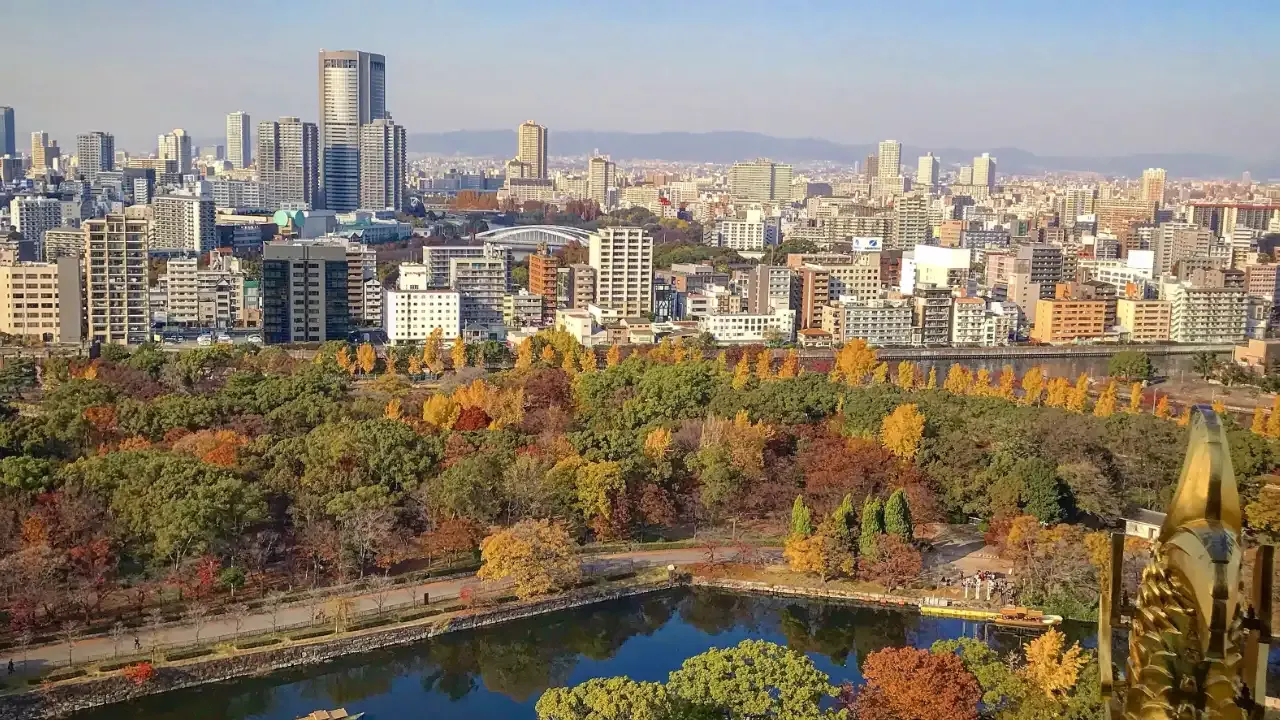
Two full days covers the obvious parts like Dotonbori, Shinsekai and Osaka Castle, but the city starts making more sense once you slow down beyond the checklist version. Three to four days gives you enough time to drift through neighborhoods like Tenma, Fukushima or Nakazakicho without sprinting between train stations. A week works well if Osaka is your Kansai base for trips to Kyoto, Nara or Kobe. Most people underestimate how tiring constant day trips become.
-
Which ride-hailing apps work best in Osaka?
Uber works in Osaka, but it mostly dispatches regular taxis rather than private drivers. GO Taxi has better local coverage and is what many residents actually use, while DiDi also works reliably around central districts. During rainy evenings or after the last train, demand spikes hard and pickup times get ugly fast around Namba and Umeda.
-
What are the best day trips from Osaka?
Nara is the easiest and most rewarding short trip if you want temples, deer and a slower pace without spending all day on trains. Kyoto is close enough for a day trip, but trying to cram it into a rushed schedule alongside Osaka usually leaves people exhausted and annoyed. Himeji works well for a castle-focused day, especially combined with Kobe on the return. Osaka is best used as a base when you stop trying to maximize every hour.
-
Is Osaka good for digital nomads or longer stays?
Osaka suits people who want Japan without Tokyo's intensity or rent levels, especially around Fukushima, Nakazakicho and quieter parts of Tennoji. Internet is reliable, coworking spaces exist, and daily life feels easier to settle into than the constant motion of Tokyo. The social scene is smaller though, and Japan still lacks a straightforward digital nomad visa structure. Osaka works better for people who already know they enjoy Japan.
-
Where can I store luggage in Osaka?
Coin lockers are everywhere in major stations like Namba, Umeda and Shin-Osaka, though larger suitcase spaces disappear quickly during weekends and holiday periods. Stations also offer staffed luggage counters if lockers fill up. Most hotels will hold bags before check-in or after checkout without much fuss. Osaka has too many travelers dragging suitcases around for it not to.
-
Which Osaka markets are actually worth visiting?
Kuromon Market is still worth seeing once, especially in the morning when seafood stalls and grilled snack counters are fully open, but the place now leans heavily toward tourism and inflated prices. For a more everyday feel, local shopping arcades around Tenma or Kyobashi are often more interesting even if they are less famous online. Osaka's best food experiences usually happen in regular neighborhood streets, not giant market aisles.
Safety & medical
-
Is Osaka safe for tourists?
Osaka is one of the safer big cities you are likely to visit, even late at night around Namba or Umeda. The bigger risk is getting dragged into overpriced bars by touts in nightlife districts rather than violent crime. Areas like Shinsekai and Dobutsuen-mae can feel rougher after dark, especially around older drinking streets, but they are more gritty than dangerous. Basic city awareness is enough for most travelers.
-
Is it safe to walk around Osaka at night?
Yes, especially in busy districts where there are always people around and convenience stores never seem to close. Even after midnight, areas like Namba and Umeda still feel active rather than threatening. The only places that unsettle some travelers are older backstreets around Shinsekai or Dobutsuen-mae, mostly because they feel worn down compared with the rest of Japan. Violent crime against tourists is rare.
-
What should I do if I get sick in Osaka?
For minor problems, drugstores like Matsumoto Kiyoshi and Daikoku Drug are everywhere and often stay open late. Larger hospitals such as Osaka General Medical Center can handle emergencies, though English support varies by department and shift. Ambulances are reached through 119 and are fast by big-city standards. Bring a list of any medications you rely on because brand names often differ.
Laws & local norms
-
What are Osaka's drug laws like?
Japan treats drug offenses extremely seriously, including cannabis possession and products containing THC traces. Arrests can lead to detention, deportation and prison sentences even for small amounts. Do not assume Osaka is relaxed because parts of the nightlife scene look chaotic after dark. The laws are not relaxed at all.
-
Can you vape in Osaka?
Vaping itself is legal, but nicotine vape products are heavily restricted and difficult to buy locally. Heat-not-burn tobacco products like IQOS are far more common and socially accepted in smoking areas. You still cannot vape freely inside restaurants, stations or public indoor spaces unless there is a designated smoking section. Japan separates smokers very deliberately.
Culture & etiquette
-
How LGBTQ+ friendly is Osaka?
Osaka is one of the more openly LGBTQ+ friendly cities in Japan, especially around Doyama-cho in Umeda where there are long-running gay bars and clubs. Public hostility is uncommon in central Osaka, though Japan still tends to be socially reserved outside nightlife spaces. Same-sex couples traveling together rarely face problems beyond occasional staring in quieter areas. Osaka feels looser and less formal than much of the country.
Food & drink
-
Where do locals actually eat in Osaka?
Most locals are not lining up beside the Glico sign unless friends from out of town dragged them there. Ura-Namba, Tenma and Fukushima are where you find office workers packed into tiny bars and restaurants after work, often eating standing up beside ashtrays and beer crates. Shinsekai still does some of the best kushikatsu in the city if you do not mind grease, smoke and old fluorescent lighting. The best meals in Osaka are rarely the most photogenic.
-
What local foods should first-time visitors try in Osaka?
Takoyaki, okonomiyaki and kushikatsu are the obvious starting point, but where you eat them matters more than the checklist itself. Dotonbori is fun for late-night takoyaki, though many stalls now feel built for tourists moving through quickly. Shinsekai still does kushikatsu properly in old shops coated in decades of fryer smoke. Osaka food works best when you stop chasing famous names and start following crowded counters.
-
Where can you eat late at night in Osaka?
Namba, Dotonbori and Tenma stay fed deep into the night with ramen counters, izakayas and small grills still operating after midnight. Shinsekai is reliable for late kushikatsu and greasy post-drinking food. Convenience stores cover the gaps when everything else closes, which in Japan honestly happens less often than visitors expect. Osaka does not sleep especially early.
-
Is Osaka vegan-friendly?
More than it used to be, but less than Tokyo. Nakazakicho, Umeda and parts of Shinsaibashi now have fully vegan cafes and restaurants, though traditional Osaka food still leans heavily on meat, seafood and fish stock. HappyCow helps, but ingredient explanations still get awkward in smaller local restaurants. Convenience stores have improved enough to stop vegan travelers starving between meals.
-
Is Osaka halal-friendly?
It is getting easier, especially around Namba and Umeda where tourism pushed more halal-certified ramen, yakiniku and curry restaurants to open. Kansai Airport and some larger malls also provide prayer rooms. Outside tourist-heavy areas, halal options thin out quickly and ingredient knowledge can become unreliable. Research ahead matters here.
-
Why is Osaka called 'Japan's kitchen'?
Osaka earned the nickname 'tenka no daidokoro' (the nation's kitchen) during the Edo period because it was the main hub for rice trade and food distribution across Japan. Today, it still lives up to that name with a street food culture built around dishes like takoyaki and okonomiyaki.
-
What does 'kuidaore' mean and why is it associated with Osaka?
In Osaka, the phrase 'kuidaore' means 'eat until you drop.' It reflects the city's obsession with food and willingness to spend money on good meals. Compared to other Japanese cities, Osaka has a more laid-back, indulgent food culture.
Families & kids
-
Is Osaka good for traveling with kids?
Osaka works surprisingly well for families if your kids can handle noise, crowds and a lot of walking. Places like Kaiyukan Aquarium, Universal Studios Japan and Tennoji Park are easy wins, and picky eaters usually survive on ramen, curry rice and convenience store snacks alone. The downside is sensory overload around places like Dotonbori, especially at night. Families often enjoy Osaka more once they stop treating it as nonstop sightseeing.
-
Is Osaka manageable with a stroller?
Mostly yes, though major stations like Umeda can feel like obstacle courses during rush hour. Elevators exist but are sometimes buried deep inside station complexes, and older neighborhoods like Shinsekai still have uneven sidewalks and narrow walkways. Department stores and malls are stroller-friendly almost by force of design. Trains get uncomfortable fast once commuters pack in.
-
What happens if a child gets sick in Osaka?
Osaka has strong paediatric care, especially at larger hospitals like Osaka City General Hospital. Pharmacies carry common children's medicine, but finding familiar foreign brands is hit or miss. English-speaking paediatric support exists but may involve longer travel across the city. Travel insurance suddenly feels worthwhile once you are sitting in a waiting room with a feverish child.
-
What accommodation works best for families in Osaka?
Apartment hotels and serviced apartments usually work better than standard Japanese business hotels because the rooms are larger and often include kitchenettes or laundry machines. Umeda and Tennoji tend to feel calmer for families than Namba after dark. Staying beside a major station saves energy quickly when carrying bags and exhausted children around. Osaka stations are not small.
-
What works for a half-day with young kids in Osaka?
Kaiyukan Aquarium and the Tempozan waterfront are the easiest low-stress option because everything sits close together and strollers move easily there. Tennoji Park also works well, especially if children need space to run after days spent inside stations and shopping arcades. Universal Studios is fun but rarely counts as low stress anymore. The lines alone can end relationships.
Staying longer
-
Which neighborhood should I stay in Osaka?
Namba works best for first-time visitors who want food, nightlife and late trains all within walking distance, though the crowds wear some people down fast. Umeda suits travelers doing day trips to Kyoto or Kobe because the rail connections are easier and the hotels tend to be quieter at night. Fukushima and Nakazakicho feel more local and slower paced, especially if you care more about bars and cafes than tourist landmarks. Shin-Osaka only makes sense if you are catching early Shinkansen trains.
After dark
-
What are the best nightlife areas in Osaka?
Namba and Ura-Namba are the center of Osaka's late-night energy, packed with izakayas, standing bars, karaoke and crowded alleys that stay active until the first trains start running again. Amerikamura leans younger and messier, with basement clubs, hip-hop venues and vintage-store crowds drinking outside convenience stores. Umeda is more polished, especially around hotel cocktail bars and rooftop lounges. Shinsekai feels rougher around the edges but still delivers some of the city's best cheap late-night eating.
-
Are there red-light districts in Osaka?
Yes. Tobita Shinchi in Nishinari is the best-known adult entertainment district, with old wooden storefronts and strict no-photography rules enforced aggressively by staff and locals. Fukuhara near Namba is another long-running nightlife area focused more on hostess clubs and soaplands. You can walk through both safely if you are simply curious, but they are not designed for sightseeing in the normal sense.
-
Where do nights usually go wrong in Osaka?
Most bad nights in Osaka start with someone following a tout into a bar around Dotonbori or losing track of the last train after too many drinks in Namba. Overpriced bills and expensive taxi rides are more common than serious danger. The city stays active late, which tricks people into assuming transport also runs late. It does not.
Other
-
Why do people in Osaka walk on a different side than in the rest of Japan?
In Osaka, people typically stand and walk on the right side of escalators, while in most of Japan (including Tokyo) it's the left. No one knows the exact origin, but a common theory links it to Expo '70 in Osaka, where international visitors influenced local behavior. Others say it comes from older regional habits. Either way, it stuck, and now it's one of those small cultural quirks that catches travelers off guard.