
Siargao Right Now
Air quality is poor due to haze from Indonesian fires and local waste burning, which may cause respiratory irritation for sensitive groups.
Siargao National Surfing Cup · Cloud 9, General Luna
General Luna Fiesta
Interest in travel to Siargao fell 14% from a year ago, suggesting demand is cooling off.
Best time to visit Siargao
Good time to visit
The busiest month, with big consistent swell and full line-ups at Cloud 9, paired with near-daily rain.
SCORE BY MONTH
For serious surf, August to November brings the biggest, most consistent swell at Cloud 9, though it is also the wettest and most crowded stretch. Beginners and non-surfers do better from March to May, when the waves are smaller, seas stay calm for island-hopping, and prices ease. Skip the November-to-January typhoon window if you can.
Day-to-day in Siargao
Walkability
36/100
Most visitors rely on scooters because walking often means using the road shoulder beside constant motorbike traffic.
General Luna has short sidewalk stretches, but most routes spill onto the roadside.
Restaurants, cafes and shops cluster along General Luna's main strip within walking distance.
Scooters dominate narrow roads, and pedestrians often walk with little separation from traffic.
Climate works against walking for much of the year. Plan around weather windows.
-
Monthly cost
$872 / month
AFFORDABLESolo mid-range stay including rent, daily eating out, groceries, and routine costs.
-
TROPICAL WATER SPORTS
Surfing shapes daily life here, from dawn sessions before work to evening crowds around the breaks. Cloud 9 draws experienced surfers, while nearby beginner breaks keep newcomers busy.
-
Coworking
$51 / month
VERY AFFORDABLEMost remote workers end up in General Luna, where spaces like Coco Space and Alter Space pair reliable internet with a built-in social scene. Capacity can tighten during busy surf periods.
-
Gym
$34 / month
VERY AFFORDABLEMost gyms are in General Luna, ranging from simple island setups to better-equipped spots like PrimeFit and SurFit. Expect enough equipment for regular training, but not the depth of a major city gym.
Need to Know
- Currency
- Philippine Peso (PHP)
- Language
- Filipino and Surigaonon; English widely spoken in tourist areas
- Tap water
- Not safe to drink
- Time zone
- PST (UTC+8)
- Power plug
- Type A / B / C, 220V
- Dialing code
- +63
- Driving side
- Right
- Tipping
- Not expected, though rounding up or leaving extra for good service is common.
- Internet
- Good mobile coverage in General Luna and Dapa, with weaker signal in quieter parts of the island.
- Emergency
- 911
When not to go
-
Skip Siargao in monsoon season
Dec – Feb · peaks JanDon't come expecting classic island-hopping weather during the northeast monsoon. Heavy rain, rough seas and strong winds regularly cancel boat trips, muddy backroads and knock out power, while many of the island's best days revolve around being outdoors. Choose a drier beach destination if your trip depends on lagoons, boat days and long stretches of sunshine.
Upcoming Events & Holidays in Siargao
Upcoming events, next 30 days
On the horizon
Public holidays & observances, next 12 months
Dates are researched and checked, but events move. Always confirm with the official source before you book anything around them.
Getting To Siargao
-
Ninoy Aquino International Airport (MNL)
Around 2 hours by direct flight to Siargao
Manila is the main long-haul gateway for international visitors heading to Siargao. Direct flights operate daily, while additional connections are available via Cebu.
-
Clark International Airport (CRK)
Around 1.5 to 2 hours by direct flight
Clark provides an alternative gateway for travelers from northern Luzon and for some international arrivals. Direct flights to Siargao are available on selected routes and seasons.
-
From Surigao City Port
Fast ferries reach Dapa Port in roughly 2 hours
This is the main sea route to Siargao and remains useful for travelers already in Mindanao. Ferries arrive at Dapa Port, from where vans and tricycles continue to General Luna and other island bases.
Safety Advice
Motorbike spills are by far the most common way visitors get hurt, on wet roads and loose sand. Cloud 9 and the other breaks are reef, not sand, so beginners come off worse on coral and in rip currents. Siargao sits in the typhoon belt; Odette flattened it in December 2021.
Seismically active region
Earthquakes
Siargao sits in a seismically active region. Most days you'll never notice it, but strong earthquakes do occur from time to time. It's worth knowing your accommodation's emergency exits and following local instructions if an earthquake occurs.
See the 5 strongest nearby earthquakes
- M7.62023 · 143 km · Gamut
- M7.62012 · 126 km · Sulangan
- M6.82024 · 185 km · Barcelona
- M6.52017 · 79 km · Mabua
- M6.12015 · 52 km · Santa Monica
Source: U.S. Geological Survey · Updated August 2026
Common Scams in Siargao
-
ATM Skimming and Fees
HIGH RISKTrigger:An ATM looks tampered with or charges unexpected fees
A small number of ATMs can carry skimming devices, while independent operators often add high withdrawal fees and poor exchange rates. Problems are most likely at standalone machines in tourist areas.
How to avoid: Use bank-operated ATMs where possible and inspect the card slot before use. Decline dynamic currency conversion if offered.
-
Overpriced Tricycle Fares
MEDIUM RISKTrigger:A driver quotes a high flat fare before departure
Some drivers charge visitors far more than local rates, especially around General Luna and busy nightlife areas. The loss is usually small but adds up over multiple trips.
How to avoid: Agree on the fare before setting off and ask your accommodation what a normal price should be. Walk away if the quote seems inflated.
-
Motorbike Damage Claims
MEDIUM RISKTrigger:The rental bike is handed over without inspection
A few rental operators try to charge for scratches or dents that were already present before hire. Disputes usually happen when the bike is returned.
How to avoid: Photograph and video the entire bike before leaving the shop. Record existing damage with the staff present.
-
Fake Tour Operators
MEDIUM RISKTrigger:A heavily discounted tour appears on social media
Some operators take deposits for tours that differ substantially from what was advertised or add extra charges later. The problem is most common with informal bookings and unverified accounts.
How to avoid: Book through established operators, accommodation providers, or businesses with a strong review history. Confirm what is included before paying.
Mistakes to Avoid
-
Drinking Tap Water
SERIOUS CONSEQUENCETap water is not considered safe to drink. Stomach illness can derail several days of a short island trip.
Fix: Use filtered or bottled water for drinking. Many accommodations provide refill stations.
-
Skipping Your Helmet
SERIOUS CONSEQUENCEScooters are the main way people get around, and road accidents are one of the island's most serious traveler risks. Riding without a helmet increases the chance of severe injury.
Fix: Wear a properly fitted helmet on every ride, even for short distances around General Luna.
-
Driving Without a License
SERIOUS CONSEQUENCEPolice checkpoints are common and foreign licenses without the proper motorcycle entitlement may not be valid. An accident can also leave you uninsured.
Fix: Carry a valid motorcycle license and any required international driving permit before renting a scooter.
-
Underestimating Drug Penalties
SERIOUS CONSEQUENCEPhilippine drug laws carry severe criminal penalties, including long prison sentences. Foreign visitors are not exempt.
Fix: Avoid all involvement with illegal drugs, including carrying items for other people.
-
Ignoring Local Etiquette
Littering, damaging coral, or acting disrespectfully in residential areas quickly attracts negative attention. The island depends heavily on community goodwill and tourism.
Fix: Respect local norms, dispose of rubbish properly, and ask before photographing people.
Money & Payments
Carry cash outside General Luna, use cards selectively, and always pay in PHP to avoid DCC markups.
-
Cash First
Cash remains the default for tricycles, small eateries, market stalls and many tour operators, especially outside General Luna. Carry smaller notes such as ₱20, ₱50 and ₱100 because change for large bills is often limited.
-
Cards Work Selectively
Visa and Mastercard are accepted at many hotels, restaurants and dive shops in General Luna, but coverage drops outside the main tourist areas. Some businesses add a card surcharge, so ask before paying.
-
ATM Limits Matter
Most visitors withdraw cash in General Luna or Dapa, where ATMs can run low during busy periods and holiday weekends. International card withdrawals commonly incur local ATM fees and withdrawal limits often require multiple transactions.
-
Decline DCC
If a card terminal or ATM offers to charge your home currency instead of Philippine pesos, decline it. Paying in PHP almost always results in a better exchange rate.
-
Local QR Payments
GCash and Maya are common in General Luna, and some cafes, shops and service providers accept QR payments. Cash is still the safer fallback outside the main tourist strip.
-
Philippine Travel Tax
Some travelers departing the Philippines on international flights may be liable for Philippine Travel Tax depending on their residency and immigration status. Check your eligibility before departure, as the charge is sometimes included in the airfare and sometimes collected separately.
-
International Transfers
To send money to a bank account in The Philippines, for things like rent or day-to-day expenses, services like Wise or Remitly usually offer better rates than traditional banks and faster delivery.
You'll typically need the recipient's full name, account number, and SWIFT/BIC code. Some banks may also require a local address.
Costs in Siargao
Budget $55 to 90 a day once you are on the island, with cheap local meals near $3 and a scooter under $10. The real costs are getting there, since everyone flies in, and General Luna, where the trendy cafes and guesthouses charge more than the rest of the Philippines. Rooms jump in surf season.
Save money?
Sign up for our guide on how to save money on your next trip.
SIM Cards & Data
Best option for most travelers: an eSIM you set up before you arrive. You'll be online the moment you land, with no airport line and no tourist pricing.
Travel eSIMs Connect the second you land. Zero hassle. Skip the airport line and paperwork. Activate before you fly and land connected. Find the best eSIM →Prefer a local SIM?
You can buy a physical SIM card in General Luna or Dapa, but most travelers find it easier to get one at Manila or Cebu airport before flying to Siargao. Smart is the one to get. Passport registration is mandatory and is usually handled at the point of sale in a few minutes. An eSIM is also an option, but local SIMs are easy to find once you arrive.
What Siargao is Like
Life here clusters along a single asphalt corridor running through General Luna, where the hum of small motorbikes starts before sunrise and carries on past midnight. This strip has grown from a fishing village into a dense patchwork of espresso bars, skate bowls, and open-air food spots. The air smells of woodsmoke, roasted pork, and sea salt. It is an addictive base for remote workers and longer stays, but the growth is raw. Unfinished concrete structures line the roadsides, and the beach town atmosphere can feel more like a shared social scene than a quiet tropical retreat.
Surfing is the actual engine of the island, and your days will often end up following the tides rather than a clock. Cloud 9 remains the focal point, with its wooden boardwalk serving as a grandstand for watching experienced surfers tackle heavy reef breaks. Newcomers head to gentler waves like Jacking Horse or take boats to offshore breaks where instructors guide them through changing conditions. This subculture is woven into everyday life rather than staged for visitors. Even non-surfers end up planning around what the ocean is doing.
Heading north past the commercial boundaries reveals a completely different pace where the coconut palms take over the landscape entirely. Driving a scooter through the hills of Pacifico or stopping by the tidal pools of Magpupungko shows the rural Mindanao that existed before the surf industry arrived. Here, local communities still fish from small outriggers and dry copra along the roadside. It takes about an hour of riding through dense green countryside to leave the crowds of the south behind. This northern loop provides the breathing room the main tourist hub lacks.
This island is a poor fit for anyone who wants an effortless, predictable resort vacation without logistical friction. If you are looking for the manicured beaches and easy transport of Boracay, the dark roads, occasional power outages, and scooter-dependent lifestyle here will frustrate you. It is also no longer the cheap island stop many older guidebooks describe, as development and demand have pushed costs well above much of the region. You are paying for a particular mix of surf culture, community, and island life. Come for that, or look elsewhere.
Coconut Roads
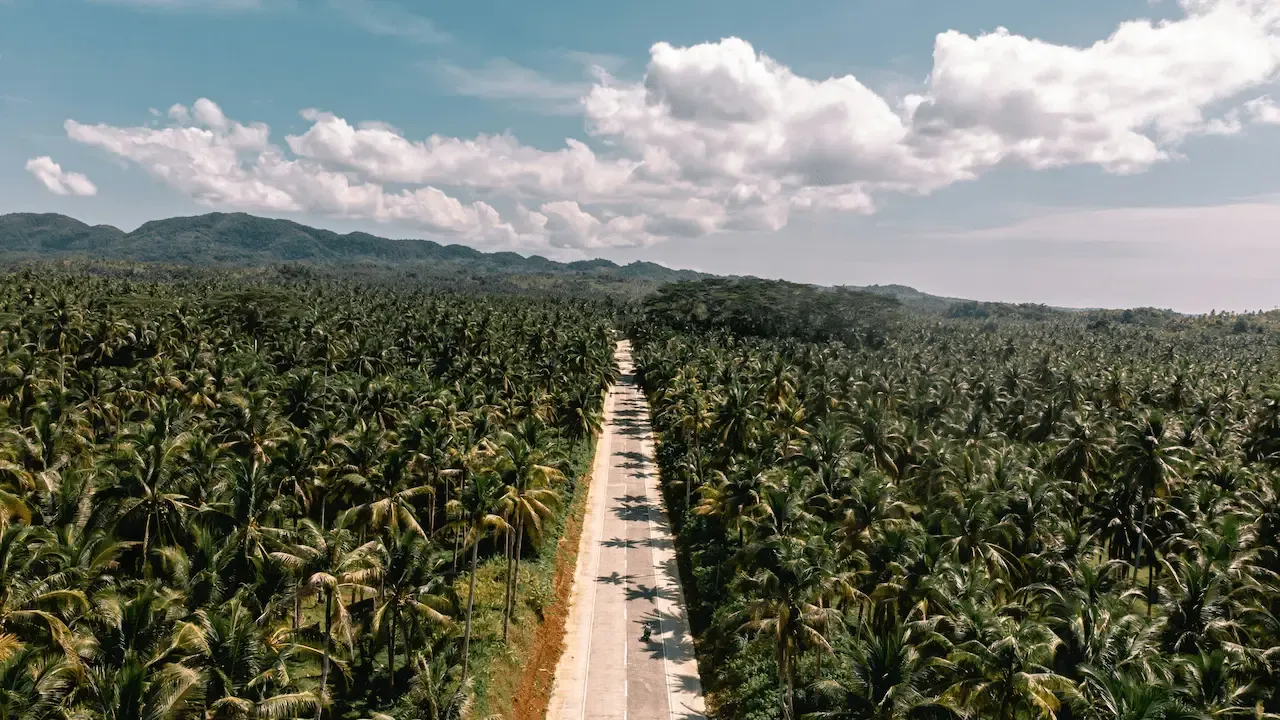
Most people first encounter Siargao's coconut roads through a drone shot: a ribbon of asphalt cutting through an ocean of palms. The strange thing is that the famous image is not a landmark in the usual sense. There is no gate, no ticket booth, no viewpoint. It is just an ordinary road that locals use to get to work, transport coconuts, and move between villages. The reason it became famous is simple. Few places still look this agricultural from the air while remaining easy for visitors to access.
The best version is not the one on social media. It is riding through the interior early in the morning when the traffic is light, the roadside stores are opening, and the smell of damp earth mixes with woodsmoke from breakfast fires. The palms stretch for kilometers because coconut farming still shapes much of the island's landscape. What visitors photograph as scenery is, for many families, a working crop. That context makes the view more interesting than another drone video ever could.
The roads also reveal something many travelers miss about Siargao. Outside General Luna, the island is less a surf destination than a patchwork of farming villages connected by narrow highways and shaded lanes. Spend enough time on the inland routes toward Pacifico or Del Carmen and the cafes, surf shops, and beach bars start to feel like a small layer sitting on top of a much older place. The coconut roads are not famous because they are extraordinary. They are famous because they show the island as it actually is.
Where to Stay in Siargao
- Nature, mangroves, quiet
Del Carmen
Del Carmen is better known for mangrove forests and Sugba Lagoon departures than for tourism infrastructure. Accommodation here puts you closer to local daily life and closer to the airport, but far from the surf-town energy of General Luna. Evenings are quiet and dining options are limited. Choose it for nature access rather than beach culture.
Good for: Mangrove tours, lagoon trips, local atmosphere.
Skip if: You want nightlife, surf schools, or lots of restaurant choice.
- Remote, beaches, quiet
Santa Monica
Santa Monica occupies the island's far north, where development remains sparse and the coastline feels noticeably emptier. Days revolve around beaches, surf checks, and long scooter rides rather than organized activities. Services are limited and distances are greater than they appear on a map. The isolation is the reason to stay here.
Good for: Remote beaches, seclusion, slow travel.
Skip if: You rely on restaurants, nightlife, or easy logistics.
- Local life, ferry, practical
Dapa
Dapa is the island's commercial center rather than its tourist center. Markets, banks, ferry traffic, and day-to-day island business dominate the town, giving it a more local feel than the beach areas. Accommodation is functional and nightlife is minimal. It works best for travelers arriving by ferry or prioritising convenience over scenery.
Good for: Ferry arrivals, local life, practical long stays.
Skip if: You want beachfront accommodation or a surf-town atmosphere.
- Off-grid, surfing, nature
Burgos
Burgos sits on the island's northeastern edge and feels disconnected from the Siargao most visitors know. Accommodation is sparse, the coastline is exposed to the Pacific, and infrastructure remains limited. Days here revolve around surf, waterfalls, and long stretches without much commercial activity.
Good for: Remote surf trips, nature, escaping the crowds.
Skip if: You need reliable services, coworking spaces, or a social scene.
- Surfing, remote, beaches
San Isidro (Pacifico)
San Isidro is the gateway to Pacifico, the island's second surf center and a completely different proposition from General Luna. The beaches are longer, the roads are quieter, and the crowds are far thinner. Surf breaks draw committed surfers, while restaurants and services remain limited compared with the south. Most people who stay here are deliberately avoiding General Luna.
Good for: Surfing, quiet beaches, slower island life.
Skip if: You want nightlife or a large choice of cafes and restaurants.
- Beachfront, quiet, couples
Malinao
Malinao sits just west of General Luna but feels noticeably calmer once the evening traffic fades. The beachfront is wider, accommodation is more spread out, and mornings are quieter than in the island's main hub. You will still need a scooter for most restaurants, bars, and surf schools. It strikes a useful balance between convenience and breathing room.
Good for: Beach stays, couples, quieter long stays.
Skip if: You want restaurants and bars outside your doorstep.
- Surfing, nightlife, social
General Luna
General Luna is where most visitors end up, whether they planned to or not. Tourism Road is lined with surf shops, cafes, coworking spaces, bars, and restaurants, making it the island's social and practical center. The trade-off is constant scooter traffic, ongoing construction, and noise that carries late into the evening. Stay here if you want the widest choice of everything and do not mind sharing it with everyone else.
Good for: Surf trips, nightlife, coworking, meeting other travelers.
Skip if: You want quiet evenings and empty beaches.
Frequently Asked Questions
Planning & moving around
-
How many days should I spend in Siargao?
Five to seven days is enough to combine surfing, island hopping, inland sights, and some downtime. Shorter trips often feel rushed because transport takes longer than visitors expect. Many remote workers and surfers end up staying longer than planned.
-
What are the best day trips from Siargao?
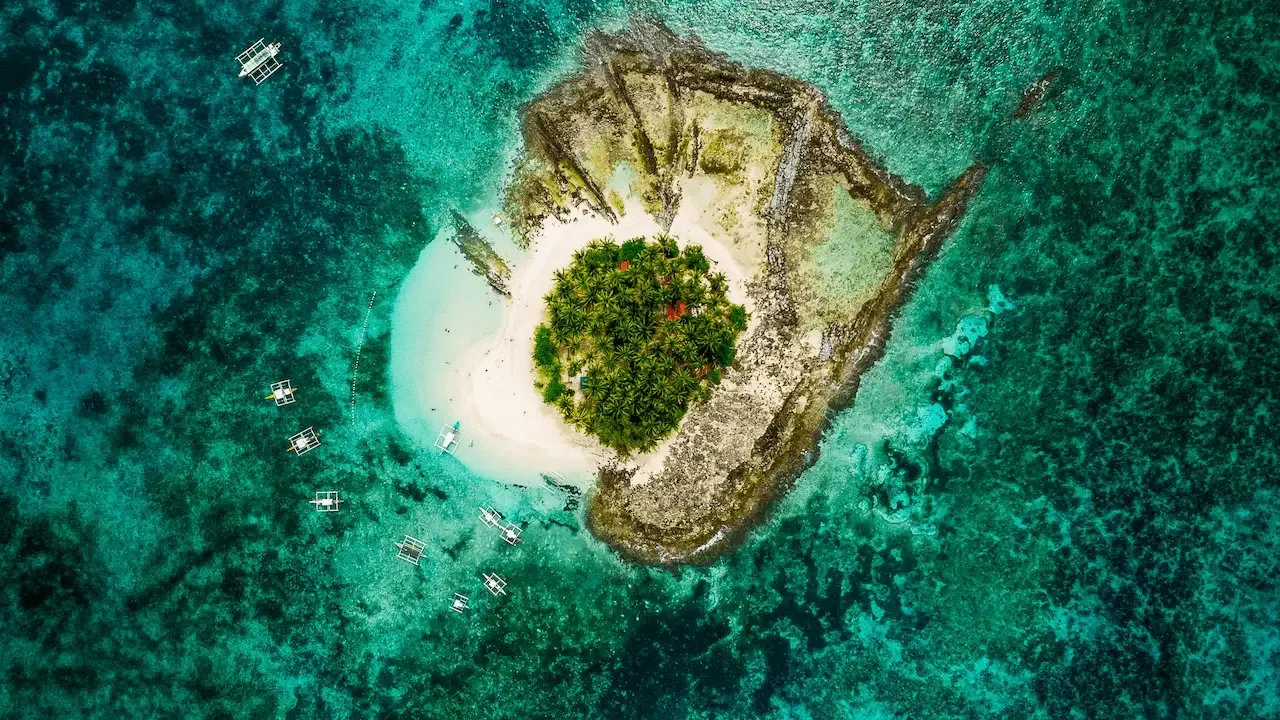
The classic Tri-Island tour to Naked, Daku, and Guyam Islands remains popular because it is easy and close to General Luna. Sugba Lagoon, Magpupungko Rock Pools, and the coconut-lined inland roads are the other standout trips. Renting a scooter gives you more flexibility than joining organized tours for inland sights.
-
Is Siargao a good place for digital nomads?
If you can tolerate occasional power cuts and patchy infrastructure, yes. General Luna has coworking spaces, cafes geared toward remote workers, and a ready-made social scene. The lifestyle is the draw, not the reliability.
-
Do you need a license to rent a scooter in Siargao?
Rental shops may hand over a scooter without asking many questions, but that does not make it legal. You should have a valid motorcycle license and any required international permit. Police checkpoints are common and insurance problems usually appear after an accident, not before.
-
Are there ride-hailing apps in Siargao?
No. Most transport is handled by tricycles, habal-habal motorcycle taxis, private drivers, and shared vans. Many visitors end up arranging rides directly through accommodation staff or drivers they meet during their stay.
-
What's the best way to get around Siargao?
A scooter gives the most freedom and is how most visitors explore the island. Tricycles work for shorter trips around General Luna, while private vans make more sense for airport transfers and families. Walking is practical only in parts of General Luna.
-
What's the internet situation like for remote work?
Internet is good enough for most remote workers but not consistently reliable. Several coworking spaces have fibre or Starlink connections, while accommodation Wi-Fi varies widely. Keeping a mobile data backup is still sensible.
-
What's the most common mistake first-time visitors make?
Treating the island as a quick checklist of attractions. The best trips leave time for surf sessions, weather changes, and slow days rather than trying to cram everything into a packed schedule. Siargao works better when you slow down.
Safety & medical
-
Is Siargao safe for solo female travelers?
Yes, by regional standards it is one of the easier island destinations for solo travelers. General Luna has a large international visitor community and people are often out late. The bigger risks are scooter accidents, poorly lit roads, and drinking too much rather than street crime.
-
What are the main safety risks in Siargao?
Scooter accidents cause far more problems than crime. Reef cuts, strong currents at some surf spots, and dehydration are also common issues. If locals tell you sea conditions are poor, listen to them.
-
What should I do if I get sick or injured?
There are clinics, pharmacies, and basic medical services on the island for minor problems. Serious injuries or complex medical issues may require evacuation to Cebu. Travel insurance is worth having because medical transfers are expensive.
-
Can you drink the tap water in Siargao?
No. Most residents and visitors rely on filtered or bottled water for drinking. Ice from established cafes and restaurants is usually fine, but drinking straight from the tap is an easy way to ruin a short trip.
-
Are mosquitoes and dengue a concern in Siargao?
Yes. Mosquitoes are present year-round and dengue exists in the region. Repellent is most useful around sunrise, sunset, and after rain, especially outside built-up areas.
Laws & local norms
-
How do I extend a tourist visa in Siargao?
Tourist visa extensions can be processed through the local Bureau of Immigration office. Bring your passport and allow extra time rather than waiting until the final days of your stay. Requirements and fees can change, so check the latest rules before visiting the office.
-
What are the drug laws in Siargao?
Drug laws are the same as elsewhere in the Philippines and penalties are severe. Arrests can lead to long prison sentences and foreign visitors are treated the same as locals under the law. It is not an area where travelers should take chances.
-
What's the local etiquette in Siargao?
Respect goes a long way on an island where tourism and local communities mix closely. Avoid littering, treat staff politely, and ask before photographing people. The fastest way to annoy locals is acting as if the island exists only for visitors.
-
What should I wear at churches or community events?
Beachwear is fine around surf areas and resorts, but churches and local events call for more modest clothing. Covering shoulders and knees is the safest approach. The expectation is respect rather than strict enforcement.
Money & costs
-
Is Siargao mostly cash or card?
Cash still dominates outside larger businesses in General Luna. Many restaurants, transport providers, and tour operators prefer cash, while card acceptance drops sharply away from the main tourist areas. Carrying enough pesos saves a lot of hassle.
-
Are there ATMs that accept international cards?
Yes, mainly in General Luna and Dapa. Machines occasionally run out of cash during busy periods, so avoid waiting until your last few notes. Visa and Mastercard are widely supported, though local ATM fees usually apply.
-
Is tipping expected in Siargao?
No. Rounding up a bill or leaving a small amount for good service is appreciated, but nobody expects North American style tipping. Guides and boat crews often receive small tips when service is particularly good.
Culture & etiquette
-
Is Siargao LGBTQ+ friendly?
By Philippine island standards, Siargao is relatively welcoming and accustomed to international visitors. General Luna in particular has an open and diverse visitor community. Public attitudes tend to be more relaxed than many travelers expect.
-
What does almost every tourist get wrong about Siargao?
Many visitors expect a remote castaway island and are surprised by how developed General Luna has become. The social scene, traffic, construction, and crowds are part of the experience now. If you want complete isolation, you need to stay well outside the main hub.
Food & drink
-
Where do locals eat in Siargao?
For everyday Filipino food, look for carinderias rather than the restaurant strip aimed at visitors. Dapa and parts of General Luna have plenty of simple eateries serving local dishes and fresh seafood. The food is often better and more representative of daily life on the island.
-
What local dishes should I try in Siargao?
Fresh seafood is the obvious choice, especially grilled fish, squid, and prawns when available. You will also find Filipino staples such as adobo, kinilaw, and sinigang in local eateries. The best meals are often in simple places rather than trendier cafes.
Families & kids
-
Is Siargao good for families with young children?
It can work, but it is not the easiest island destination for young kids. Most transport relies on scooters or tricycles, roads can be rough, and serious medical facilities are limited. Families who enjoy slower beach days tend to have a better experience than those expecting resort-style convenience.
Staying longer
-
What's the best area to stay in Siargao?
Most first-time visitors should stay in General Luna, where the majority of restaurants, surf schools, coworking spaces, and nightlife are concentrated. Malinao suits travelers who want a quieter beachfront setting without being far from the action. Pacifico is a better fit if you are deliberately avoiding General Luna and do not mind fewer services.
After dark
-
What's the nightlife like in Siargao?
Most nightlife revolves around General Luna, where bars, beach clubs, and restaurants stay active after dark. The atmosphere is social rather than hard-partying, with many people planning their nights around the next morning's surf. Different venues host busy nights on different days of the week.