

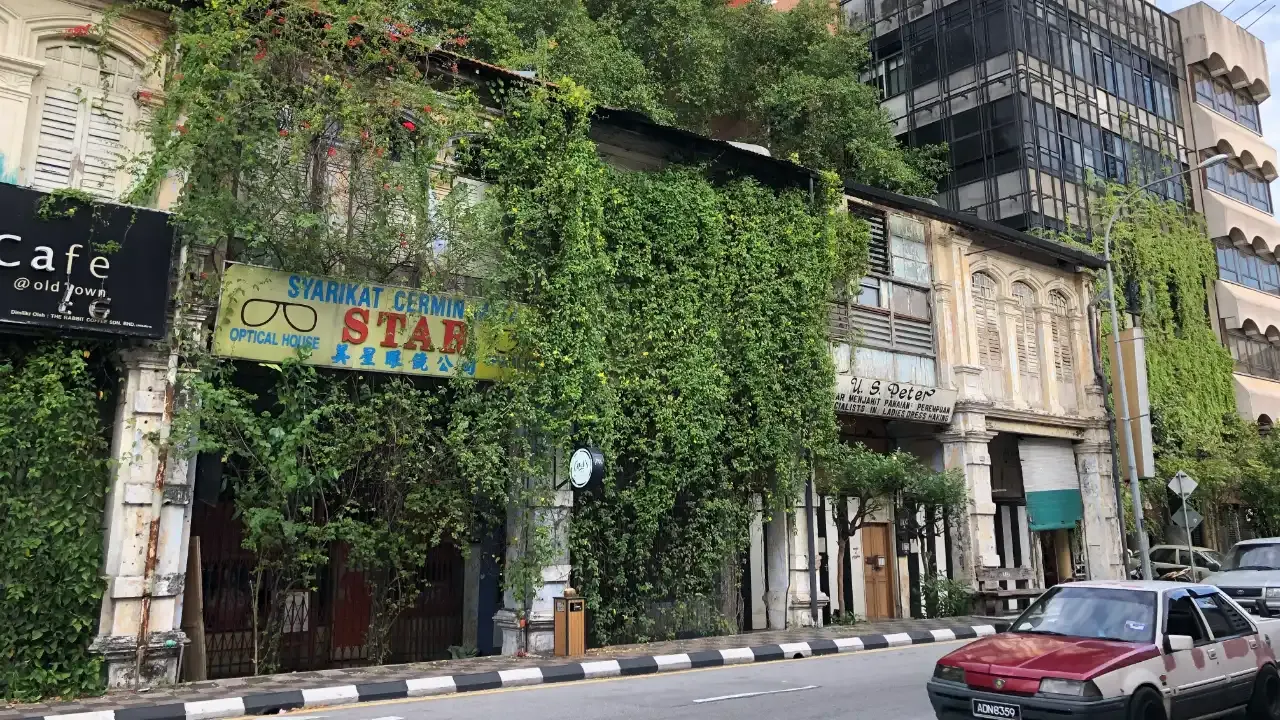
Ipoh Right Now
Air quality is moderate in Ipoh, but can fluctuate to unhealthy levels due to haze.
Interest in travel to Ipoh remained about the same as a year ago, suggesting demand is holding steady.
Best time to visit Ipoh
Not the best time to visitInter-monsoon rains
October is among the wettest months, with near-daily thunderstorms and brief street flooding in low-lying areas; keep plans flexible.
Score by month
Ipoh is inland in the Kinta Valley, so it's humid year-round with two wetter peaks: the inter-monsoons around April to May and again from September to November, when afternoon thunderstorms are frequent. The drier, easier months are January and February and the June-to-July stretch. Crowds track the Malaysian calendar more than the weather, filling Old Town on weekends and public holidays, so come midweek if you want the food streets to yourself.
Day-to-day in Ipoh
Walkability
46/100
Walking in Ipoh's heritage district means dodging scooters and uneven sidewalks to reach the famed eateries. Beyond the main streets, you'll need transport for most errands.
Sidewalks are often narrow, discontinuous, and frequently obstructed by parked motorcycles and street vendors.
The old town core is walkable for heritage sites and food, but amenities like groceries require a short taxi or Grab.
Motorbikes are everywhere, often using sidewalks, and drivers show little deference to pedestrians at crossings.
Heat and humidity make twenty-minute walks uncomfortable for most of the year, and wet months pile on top.
-
Monthly cost
$726 / month
VERY AFFORDABLESolo mid-range stay including rent, daily eating out, groceries, and routine costs.
-
Hiking
Kledang Hill is a popular spot with locals, offering various trails for all fitness levels. Expect panoramic city views from the summit.
-
Coworking
$90 / month
VERY AFFORDABLEThe coworking scene is small, with a few dedicated spaces. Look in the city center and areas like Meru Raya for options. Expect around five distinct choices.
-
Local gym
$34 / month
VERY AFFORDABLEGym memberships are around average. You'll find commercial chains like Anytime Fitness and smaller, independent gyms. Options are spread across the city, including Canning Garden and Greentown.
Need to Know
- Currency
- Malaysian Ringgit (MYR)
- Language
- Malay (official), English is common in urban areas, but Cantonese is more prevalent in Ipoh.
- Tap water
- Not safe
- Time zone
- GMT+8 (MYT)
- Power plug
- Type G, 240V
- Dialing code
- +60
- Driving side
- Left
- Tipping
- Tipping is not customary; a 10% service charge is often included in bills. Small tips for exceptional service are appreciated.
- Internet
- Mobile 4G/5G coverage is widespread across major providers, and free Wi-Fi is available in many tourist areas, cafes, and hotels.
- Emergency
- 999 (all services), 112 (mobile emergency), 994 (fire), 991 (civil defense)
When not to go
-
Avoid the weekend and holiday crush
Fri – Sun & public holidaysIpoh is a weekend break for Kuala Lumpur and the surrounding towns. From Friday the Old Town food streets and Concubine Lane fill up, the kopitiams run long lines, and parking near the heritage core becomes a hunt. Public holidays and Chinese New Year are busier still, with room rates climbing to match. The weekend is also when the lane stalls and street vendors are busiest. If you mainly want the food and the temples, come midweek for shorter lines and quieter streets, and don't be surprised if a few kopitiams take a rest day early in the week.
-
Skip the wettest months for the cave temples
Apr – May & Sep – Nov · inter-monsoon stormsIpoh is inland in the Kinta Valley, so it's humid all year, but the heaviest rain comes in the inter-monsoons around April to May and again from September to November. Afternoon thunderstorms roll off the hills on many days in those stretches, and the worst of them flood low-lying streets briefly and make the hillside temple and quarry roads slick. The storms usually hit late in the day and pass fast, so mornings stay workable for the caves and Old Town. The driest, most reliable months are January and February and the June-to-July window.
Upcoming Events & Holidays in Ipoh
Upcoming events, next 30 days
On the horizon
Public holidays & observances, next 12 months
Dates are researched and checked, but events move. Always confirm with the official source before you book anything around them.
Getting To Ipoh
-
Sultan Azlan Shah Airport (IPH)
6 km southeast of Ipoh city center, limited international flights.
Ipoh's local airport is small and convenient. It handles domestic flights and some international routes, primarily to Singapore and Johor Bahru. Scoot is currently the sole international airline operating here. A taxi or Grab ride to the city center takes about 10-15 minutes and costs around RM15-25 (approximately $3-5 USD). Public buses are available but run sporadically and take longer, around 20-30 minutes.
Direct flights to Ipoh
Serves 2 direct destinations, 1 international and 1 domestic, about 5 flights a day.
International 1- Singapore SIN Singapore
 Scoot 4/day
Within Malaysia 1
- Senai JHB
 AirAsia ~1/day
Nonstop routes only. Flights per day are an average, each way. Data: AeroDataBox, updated August 2026.
Visa rules apply at the country level. See the full Malaysia visa guide, with every visa and its official do-it-yourself cost. -
-
Kuala Lumpur International Airport (KUL)
Malaysia's main international gateway, 200 km south of Ipoh.
KUL, including KLIA1 and KLIA2, is the largest airport in Malaysia. To reach Ipoh, you can take a direct bus from either terminal. The journey takes about 3.5-4 hours and costs around RM42-52 (approximately $9-11 USD). Alternatively, take the KLIA Express train to KL Sentral (30 minutes, RM55 or $12 USD), then an ETS train to Ipoh (2 hours 40 minutes, RM30-65 or $6-14 USD).
-
Penang International Airport (PEN)
North of Ipoh, 155 km away, with regional international connections.
Penang International Airport serves as another option for international arrivals. The most straightforward way to Ipoh is by bus, which involves a transfer at Terminal Sungai Nibong. The total bus journey takes around 3 hours 21 minutes and costs RM18-45 (approximately $4-10 USD). You can also take a taxi or private transfer, which is faster at about 1 hour 50 minutes but significantly more expensive.
Safety Advice
Traffic is the main risk here: scooters run onto the narrow sidewalks and drivers give pedestrians little room. Petty theft is uncommon but turns up in the weekend crowds, so keep bags zipped. Scams are minor and mostly about taxi fares and unpriced menus, easily headed off by asking first. Beyond heat and the odd flash flood in heavy rain, there are no serious natural hazards.
Common Scams in Ipoh
-
ATM Skimming and Card Traps
HIGH RISKTrigger:An ATM looks tampered with, or a stranger offers to 'help' with a seemingly malfunctioning card.
Scammers fit ATMs with card-skimming devices to steal card information. There are also reports of 'mule accounts' where syndicates recruit individuals to open digital bank accounts which are then misused for fraud.
How to avoid: Only use ATMs located inside reputable banks or secure premises. Cover the keypad when entering your PIN.
-
Taxi Refusal to Meter
MEDIUM RISKTrigger:A driver refuses the meter and quotes a flat price, or claims the meter is broken.
Taxi drivers, especially those waiting at tourist hotspots like Ipoh Railway Station or popular food streets, often refuse to use the meter. They quote inflated flat fares or claim the meter is broken to overcharge tourists. This is a common issue across Malaysian cities.
How to avoid: Use the Grab app for all rides to get a predetermined price and track your journey.
-
Overpriced Food at Eateries
LOW RISKTrigger:A menu has no prices listed, or the server avoids answering direct questions about costs.
Some local eateries, particularly in tourist-heavy areas, do not display food prices. They then charge tourists significantly more than locals, especially for popular dishes.
How to avoid: Always ask for the price of each item before ordering, or choose eateries with clearly displayed prices.
-
Fake Donations and Beggars
LOW RISKTrigger:Someone approaches you with a clipboard or in robes, asking for money for a cause.
You might be approached by individuals carrying clipboards or dressed as monks asking for donations to fake charities or temples. Organized begging rings also use children to solicit money.
How to avoid: Politely decline and keep walking. Do not engage or give money to beggars or those soliciting donations on the street.
Mistakes to Avoid
-
Drinking tap water
SERIOUS CONSEQUENCEWhile tap water in Ipoh is treated to national standards, aging pipes and infrastructure can introduce contaminants before it reaches your tap. This can lead to stomach upset or illness.
Fix: Stick to bottled water or use a reliable water filter.
-
Disregarding drug laws
SERIOUS CONSEQUENCEMalaysia has extremely strict drug laws. Possession, trafficking, or even use of illegal drugs carries severe penalties, including lengthy prison sentences and even the death penalty.
Fix: Do not bring any illegal drugs into Malaysia or accept anything from strangers.
-
Ignoring conservative dress codes
Malaysia is a Muslim-majority country with conservative cultural norms. Wearing overly revealing clothing, especially outside major tourist areas or when visiting religious sites, can be seen as disrespectful and attract unwanted attention.
Fix: Dress modestly by covering shoulders, knees, and cleavage, particularly in public places and religious sites.
-
Public displays of affection
Public displays of affection, such as kissing or hugging, are generally frowned upon in Malaysia, especially in more conservative regions. This applies to all couples, regardless of sexual orientation.
Fix: Keep public displays of affection discreet to respect local customs.
-
Not booking popular attractions in advance
MINOR CONSEQUENCEIpoh's popular attractions and highly-rated food establishments, especially in Old Town, can get very crowded, particularly on weekends and public holidays. This leads to long lines and difficulty getting in.
Fix: Book tickets for museums and tours, and make reservations for popular restaurants, especially if traveling during peak times.
Money & Payments
Carry Malaysian Ringgit cash for street food and smaller shops, but cards and mobile payments are widely accepted in larger establishments and urban areas.
-
Cash for hawkers and markets
While Ipoh is modernizing, cash remains essential for hawker stalls, wet markets, smaller independent shops, and some local taxis. Keep RM1, RM5, RM10, RM20, and RM50 notes handy for everyday transactions. RM100 notes can be difficult to break at smaller vendors.
-
Cards Accepted, Surcharges Prohibited
Visa and Mastercard are widely accepted in major hotels, malls, and larger restaurants. Contactless payments like Apple Pay and Google Pay also work where card terminals support NFC. Legally, merchants are not allowed to impose surcharges for card payments or set minimum purchase amounts, though some smaller businesses still try.
-
Reliable ATMs are Plentiful
ATMs are easy to find in Ipoh, particularly in Old Town and New Town, with major banks like Maybank, CIMB Bank, Public Bank, RHB Bank, and Hong Leong Bank being reliable. Most Malaysian bank ATMs do not charge a direct transaction fee for foreign cards. Withdrawal limits typically range from RM1,500 to RM3,000 per transaction, though some allow up to RM4,000.
-
Always Pay in Local Currency
When using your card at an ATM or point of sale, always choose to be charged in Malaysian Ringgit (MYR). If you are offered the option to pay in your home currency, decline it. This dynamic currency conversion (DCC) often comes with unfavorable exchange rates and hidden fees.
-
Mobile Payments for Visitors
Malaysia's DuitNow QR is widely used, and tourists can often pay by scanning DuitNow QR codes with international e-wallets like AlipayCN, Alipay+ partner wallets, and Weixin Pay. This system is interoperable with over 2.5 million merchants, including restaurants, hotels, and market stalls.
-
Tourism Tax on Accommodation
Foreign passport holders staying at registered accommodations in Malaysia are subject to a Tourism Tax (TTx) of RM10 per room per night. This tax is collected by the accommodation operator or, for online bookings, by the digital platform service provider. It applies regardless of nationality or trip purpose.
-
International Transfers
To send money to a bank account in Malaysia, for things like rent or day-to-day expenses, services like Wise or Remitly usually offer better rates than traditional banks and faster delivery.
You'll typically need the recipient's full name, account number, and SWIFT/BIC code. Some banks may also require a local address.
Costs in Ipoh
Ipoh is one of the cheaper cities in Malaysia. Kopitiam meals run a couple of ringgit, rooms are inexpensive, and there are no pricey signature activities to blow the budget. A comfortable day is about $50 to $80 including a decent hotel. Prices barely move with the seasons; the only real jumps are hotel rates over major holidays and Chinese New Year.
Save money?
Sign up for our guide on how to save money on your next trip.
SIM Cards & Data
Best option for most travelers: an eSIM you set up before you arrive. You'll be online the moment you land, with no airport line and no tourist pricing.
Travel eSIMs Connect the second you land. Zero hassle. Skip the airport line and paperwork. Activate before you fly and land connected. Find the best eSIM →Prefer a local SIM?
You can easily buy a physical local SIM card in Ipoh from carrier shops, convenience stores like 7-Eleven, or major malls. You will need your passport for registration, and the process usually takes only a few minutes. While 5G coverage is expanding, it is still somewhat limited and sporadic, concentrated mostly in the city center around Jalan Sultan Iskandar and Jalan Sultan Idris Shah.
What Ipoh is Like
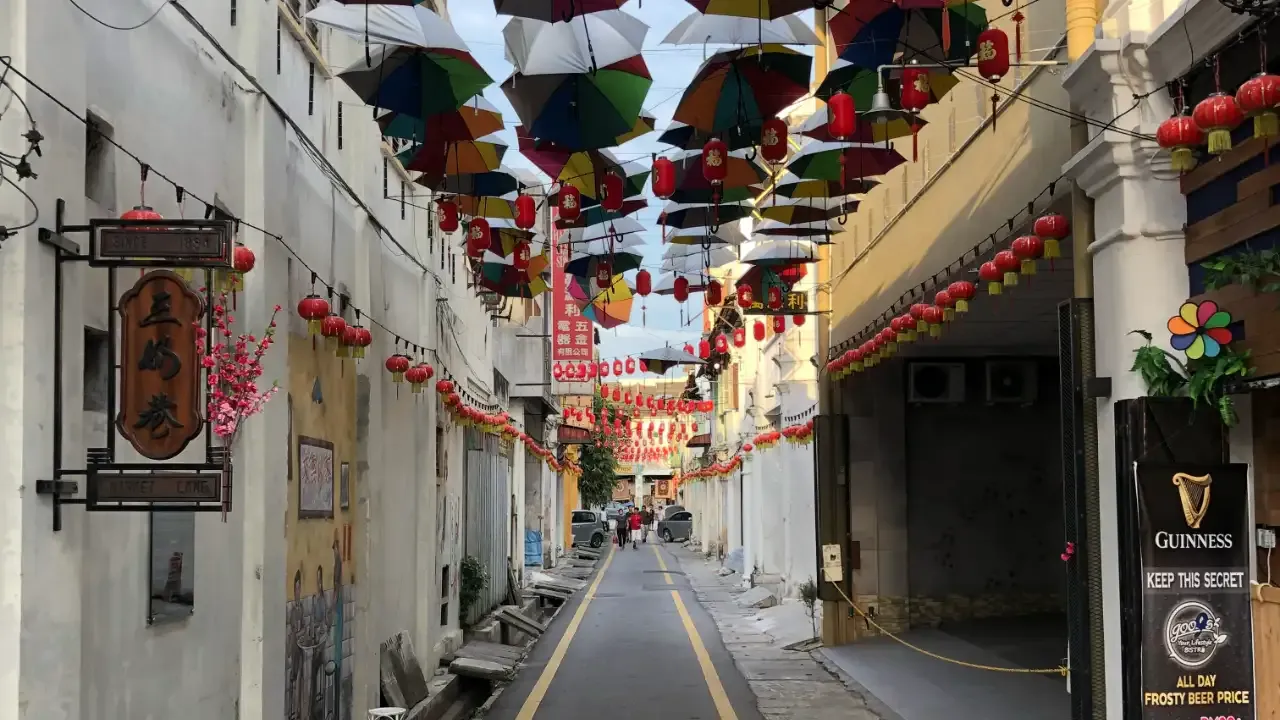
Ipoh is the capital of Perak, a mid-sized city in a valley ringed by dramatic limestone hills, about two and a half hours north of Kuala Lumpur on the ETS train. It grew rich on tin in the colonial era, and that money built the grand Old Town: wide streets of Straits-eclectic shophouses, a domed railway station locals half-jokingly call the Taj Mahal of Ipoh, and old clan and merchant buildings. The Kinta River splits the compact Old Town from the busier New Town across the water.
Most people come for the food, and Ipoh delivers. This is Cantonese kopitiam country: white coffee, bean sprout chicken, kai see hor fun, Hakka mee, and caramel custard, eaten at marble-table coffee shops that have run for generations. Concubine Lane, a narrow heritage alley, has been done up with souvenir stalls and photo spots and gets packed on weekends. Beyond the food, the pace is slow and the city is easy on you: you can cover the Old Town core on foot in a day.
The other reason to come is what lies outside town. The limestone hills are riddled with cave temples: Buddhist shrines built into the rock at Sam Poh Tong, Kek Lok Tong, and Perak Tong. Some hide gardens and ponds behind them. Kellie's Castle, an unfinished colonial mansion, and the Lost World of Tambun hot-springs park round out the day trips, and the cool tea plantations of the Cameron Highlands are a couple of hours up the road. You'll need a Grab or a car for most of these.
Ipoh is a quiet town, and it doesn't pretend otherwise. Old Town shops shut early and the nightlife is thin, so if you want bars and late energy you'll be let down, and two or three days is enough for most visitors. It's a weekend break for Malaysians, which means weekends and holidays bring crowds and traffic to the same few streets. Come for the food and the slow pace, not a beach or a party.
White coffee
Ipoh white coffee is the town's most famous export, and it's nothing like a flat white. The beans are roasted in palm-oil margarine rather than with sugar, which gives a paler, smoother brew, and it's served with sweetened condensed milk. The 'white' refers to the roast, not the color in the cup. You drink it at an old kopitiam, a Chinese coffee shop with marble-top tables and stools, and the two originals, Nam Heong and Sin Yoon Loong on Jalan Bandar Timah, still pull crowds every morning.
The coffee is just the doorway into Ipoh's real draw, which is old-school Cantonese kopitiam food. Kai see hor fun is silky rice noodles in a clear chicken-and-prawn broth topped with shredded chicken. Bean sprout chicken pairs poached chicken with the fat, stubby local bean sprouts that Ipoh's limestone water is said to plump up, served alongside a bowl of that same hor fun. Add kaya toast, half-boiled eggs, and a caramel custard for dessert, and you've had the classic Ipoh breakfast.
What makes it work is that these are living businesses, not heritage exhibits. Many are still run by the families that opened them, the recipes haven't been tuned for tourists, and prices stay closer to local than tourist. Ipoh trades on food the way Penang does, but quieter, cheaper, and slower.
Where to Stay in Ipoh
- Shopping malls, local dining
Station 18
Station 18 is a commercial and residential area anchored by AEON Mall Ipoh Station 18. It offers a range of accommodation, from hotels to larger holiday homes suitable for families. While a bit further from the historic center, it provides convenient access to shopping and local restaurants.
Good for: Budget-conscious travelers and families seeking shopping and local food
Skip if: You prioritize proximity to Ipoh's heritage attractions
- Theme parks, government offices
Bandar Meru Raya
This is a newer, developing area further from the city center, known for the Movie Animation Park Studios (MAPS) and various government buildings. It offers a mix of hotels and homestays, with several dining options around the Bulatan Sultan Azlan Shah roundabout. The area is generally quieter and more spread out.
Good for: Families visiting theme parks or travelers with their own transport
Skip if: You rely on public transport or want to walk to major attractions
- Heritage, cafes, street art
Ipoh Old Town
This is the historic heart of Ipoh, characterized by narrow streets and beautifully preserved Chinese shophouses. It has a relaxed, creative atmosphere, similar to George Town, with numerous trendy coffee shops and street art murals. While lively during the day, it becomes quiet at night as most businesses close.
Good for: History buffs and foodies who enjoy exploring on foot
Skip if: You want a lively late-night scene
- Quirky shops, street food
Concubine Lane
Part of Ipoh Old Town, this narrow, historic alley is packed with souvenir shops, cafes, and street food stalls. It is very popular and can get crowded, especially on weekends, with people stopping for photos and snacks. The lane retains its old-world charm while offering modern treats like rainbow cheese toast and ice balls.
Good for: Tourists seeking Instagrammable spots and local delicacies
Skip if: You dislike crowds or prefer a quiet experience
- Shopping, modern hotels
Ipoh New Town (Taman Jubilee)
Located across the Kinta River from Old Town, New Town is a more modern commercial area with larger hotels, shopping malls, and a wider range of dining options. It has a lively local feel, especially good for shopping and experiencing local culture. You will find many established hotels here.
Good for: Shoppers and those seeking modern conveniences and diverse accommodation
Skip if: You prefer historical charm over contemporary amenities
- Business, family stays
Greentown
Greentown is a central area often chosen for business travelers and families, featuring serviced apartments and hotels. It is close to Ipoh Parade and the Ipoh Convention Center, offering spacious accommodations with amenities like pools and fitness centers. The area is more residential and commercial than tourist-focused, with easy access to main roads.
Good for: Families and business travelers needing space and modern facilities
Skip if: You want to be among the historical sights and street life
- Residential, local experience
Bercham
Bercham is primarily a residential neighborhood located a bit outside the main tourist zones. Accommodation here often comes in the form of vacation houses or smaller hotels, offering a more local experience. It is a good base if you have a car and want to explore beyond the immediate city center.
Good for: Longer stays, budget travelers with a car, and those seeking a local vibe
Skip if: You prefer being within walking distance of tourist attractions
Frequently Asked Questions
Planning & moving around
-
How many days should I spend in Ipoh?
Two to three days is ideal for a good overview. This gives you enough time to explore the Old Town, enjoy the food scene, and visit some of the cave temples without feeling rushed. You can certainly do a day trip from Kuala Lumpur, but an overnight stay lets you soak in the atmosphere.
-
Which neighborhood is best to stay in Ipoh?
Old Town is your best bet for a first visit. It puts you within walking distance of most heritage sites, street art, and many famous eateries. New Town, while less atmospheric, also has good accommodation options and is well connected. For a more relaxed stay with access to nature, consider areas closer to the limestone hills.
-
What are the best day trips from Ipoh?
Consider a trip to the Cameron Highlands for cooler weather and tea plantations, about two hours away. Gua Tempurung offers caving and whitewater rafting for the adventurous. Hoga Gaharu Tea Valley in Gopeng is another option, though you will need to arrange private transport as Grab cars are hard to find for the return journey.
-
How do you get around Ipoh without a car?
Ipoh Old Town is very walkable. For longer distances, Grab is reliable and affordable, especially for reaching cave temples or the Lost World of Tambun. There are also local buses, like the F100 route which circles Old Town and the administrative area, with a single fare costing around RM2.
-
Do you need a license to rent a scooter in Ipoh?
While scooters are a common mode of transport for locals, there is no specific information available about scooter rental requirements for tourists in Ipoh. Cars and motorcycles are the main transport for locals. However, generally in Malaysia, you need a valid international driving permit or a Malaysian license to legally ride a scooter.
-
What travel apps are useful in Ipoh?
Grab is essential for ride-hailing and food delivery, functioning much like Uber. For public transport, while not as comprehensive as in larger cities, local bus information might be found through general mapping apps. Booking train tickets in advance through the official KTMB website is also recommended.
Safety & medical
-
Is Ipoh safe at night?
Ipoh is generally a safe city. Like any urban area, it is wise to be aware of your surroundings, especially in less crowded areas or late at night. The main nightlife areas like Concubine Lane and the streets around Jalan Dato Tahwil Azar and Jalan Yau Tet Shin are usually lively on weekends.
-
What kind of travel insurance do I need for Malaysia?
While not mandatory for entry, comprehensive travel insurance is highly recommended. Look for policies that cover medical emergencies, emergency evacuation, trip cancellation or interruption, and baggage protection. Coverage limits of at least $100,000 for medical expenses and $500,000 for evacuation are good benchmarks.
Laws & local norms
-
What are the drug laws in Malaysia?
Malaysia has extremely strict drug laws. Possession and use of drugs like cannabis, heroin, and opium can lead to severe penalties, including imprisonment and whipping. Drug trafficking carries a mandatory death penalty, although judges now have discretion in imposing it. Even kratom, traditionally used as a herbal remedy, is classified as a dangerous drug.
-
Can you vape in Ipoh?
Malaysia's Act 852 (in force since 2024) bans smoking and vaping in many public places, including restaurants, government premises, and public transport, with fines up to RM5,000. A May 2026 court ruling left the sale of nicotine vapes legally unsettled while the government appeals, so the rules are in flux. Wherever you vape, check for no-smoking signage and keep it out of enclosed public spaces.
-
What are the laws for LGBTQ+ travelers in Malaysia?
Same-sex sexual activity is criminalized in Malaysia under federal law, with penalties up to 20 years imprisonment and whipping. State-level Sharia laws also prohibit same-sex acts for Muslims, and transgender people can be criminalized under these laws for gender expression. Discrimination and violence against LGBTQ+ individuals are prevalent.
Money & costs
-
Are there any common scams to watch out for in Ipoh?
Ipoh is generally a safe city with low crime rates. Be aware of common travel scams that can occur anywhere, such as inflated prices for tourists or taxi drivers refusing to use meters. Always confirm prices beforehand and use reputable ride-hailing apps like Grab. No specific Ipoh-centric scams are widely reported.
-
Is Ipoh more cash or card based?
While major hotels and larger restaurants accept cards, many hawker stalls, smaller eateries, and local shops operate on a cash-only basis. It is always wise to carry sufficient Malaysian Ringgit (RM) for daily expenses, especially when exploring local markets and street food. Maybank and CIMB ATMs are widely available.
-
Do you tip in Ipoh?
Tipping is not customary in Malaysia and is not expected in Ipoh. Service charges are often included in restaurant bills. If you receive exceptional service, a small gratuity is always appreciated but not a requirement.
Culture & etiquette
-
What should I wear when visiting temples in Ipoh?
When visiting cave temples like Sam Poh Tong or Kek Lok Tong, dress respectfully. This means covering your shoulders and knees. Sleeveless tops, shorts, and short skirts are not allowed. You will also need to remove your shoes at the entrance of all temples.
-
Is it okay to take photos inside Ipoh temples?
Photography is generally permitted inside temples, but be mindful and respectful of worshippers. Avoid using flash photography near altars or during religious services. Some inner halls, like at Kek Lok Tong, may have explicit 'no photos' signs, which you should always follow.
Food & drink
-
Where do locals eat in Ipoh?
Locals frequent kopitiams like Thean Chun and Ipoh Kong Heng for breakfast and lunch, known for dishes like kai see hor fun and creme caramel. Lou Wong Bean Sprout Chicken is another popular spot for its signature chicken and bean sprouts. For Hakka Mee, try Paris Restaurant (Yin Yau Kui).
-
What are the must-try foods in Ipoh?
Ipoh is famous for its 'white coffee', a creamy, aromatic brew. You should also try Nga Choy Kai (bean sprout chicken), Kai See Hor Fun (chicken and prawn rice noodle soup), Hakka Mee, and Yong Tau Foo. Don't miss the local snacks like kaya puff and Funny Mountain Soya Beancurd.
-
Are there good vegetarian or vegan options in Ipoh?
Yes, Ipoh has a growing vegetarian and vegan scene. Restaurants like Fu Tien Vegetarian Restaurant, Thin Hei Vegetarian Restaurant, Vegan Life, and YC Vege Life Vegetarian Cafe offer a range of plant-based dishes, from Chinese and Malay-inspired cuisine to Western options. Krishna Bhawan is a good choice for Indian vegetarian food.
Families & kids
-
Is Ipoh good for families with kids?
Ipoh can be a good family destination, offering attractions like the Lost World of Tambun theme park with water activities. Many of the cave temples are also accessible and interesting for children. The city's laid-back atmosphere makes it less overwhelming than larger cities.
-
Is Ipoh stroller friendly?
Ipoh Old Town is generally walkable, but sidewalks can be uneven in some areas. Public transport is not always ideal for strollers. Grab cars are a convenient option for getting around with a stroller, especially to attractions outside the immediate city center.
Staying longer
-
Can I work remotely from Ipoh as a digital nomad?
Ipoh offers a more relaxed pace than larger Malaysian cities, with affordable accommodation and food. Reliable internet is generally available in cafes and hotels. It can be a good base for digital nomads seeking a quieter environment, though the coworking scene is less developed.
After dark
-
What's the nightlife like in Ipoh?
Ipoh's nightlife is more low-key than Kuala Lumpur or Penang, but there are options. Concubine Lane transforms into a lively hub with bars and street vendors. Other areas with bars and clubs include Bandar Baru Medan and near the Greentown Business Centre, with venues like Healy Mac's, The Muse, and Bricks & Barrels.