
The Philippines Budget Calculator
- Housing + utilities $443 33%
- Food & drink $511 38%
- Getting around $138 10%
- Work + connectivity $127 9%
- Health, gym, fun $137 10%
These are mid-market figures. Paying with a typical bank card in The Philippines adds roughly 3% on top, about $41 a month on this budget. Find the best travel card for The Philippines →
A solo digital-nomad month, per person, side by side with places in the region.
A month here is about 49% of a mid-size US city.
See the cost breakdown
- Rent (1-bed) 1× 1-bed $348
- Utilities + internet flat estimate $95
- Eating out (local) 32 × $3.83 $123
- Eating out (mid-range) 16 × $11 $172
- Groceries (cooking in) 32 meals × $2.05 $66
- Coffees 45 × $2.93 $132
- Beers out 10 × $1.93 $19
- Getting around scooter + 12 taxis $138
- Coworking $106/mo $106
- SIM / data 7-day SIM × 4 $21
- Gym $32/mo $32
- Massages 2 × $11 $22
- Health (amortised) GP + dentist ÷ 12 $2.98
- Nightlife / buffer flat estimate $80
Figures assume a long-term stay (30+ days) and cover rent, food, transport, internet and everyday spending. Flights, visas and insurance aren't included. Rent, utilities and internet are shared across the household; everything else is per person. Rent, food and transport use the prices listed below. Utilities, health costs spread over the year and a buffer for extras are estimates.
Prices last checked between June and September 2026
Average prices in The Philippines
The Philippines is one of the cheapest countries in the region, and the easiest if you speak English. Rent, local food and a scooter cost little. What costs more is flights between the islands, imported goods, and resort spots like Boracay and El Nido.
Groceries and fuel
Where a business publishes a price we use it and name it: 69 of them sit behind the rows above, last checked between June and September 2026, and the i beside a price shows which. Where no business publishes one, a taxi fare or a long-term rent, the figure is an estimate drawn from published local sources. How these prices are collected ↗
Rent in The Philippines by city
Rent is what differs most between the islands. Below are the places we track, from Manila down to the cheap islands, against the national average, using our own estimates from local listings.
- Manila Pricier Manila has by far the highest rents in the country and some of the worst traffic in the region. Makati and BGC are the modern, walkable, expensive parts where most expats land. It is a hard city to love, but it is where the jobs, flights and hospitals are.
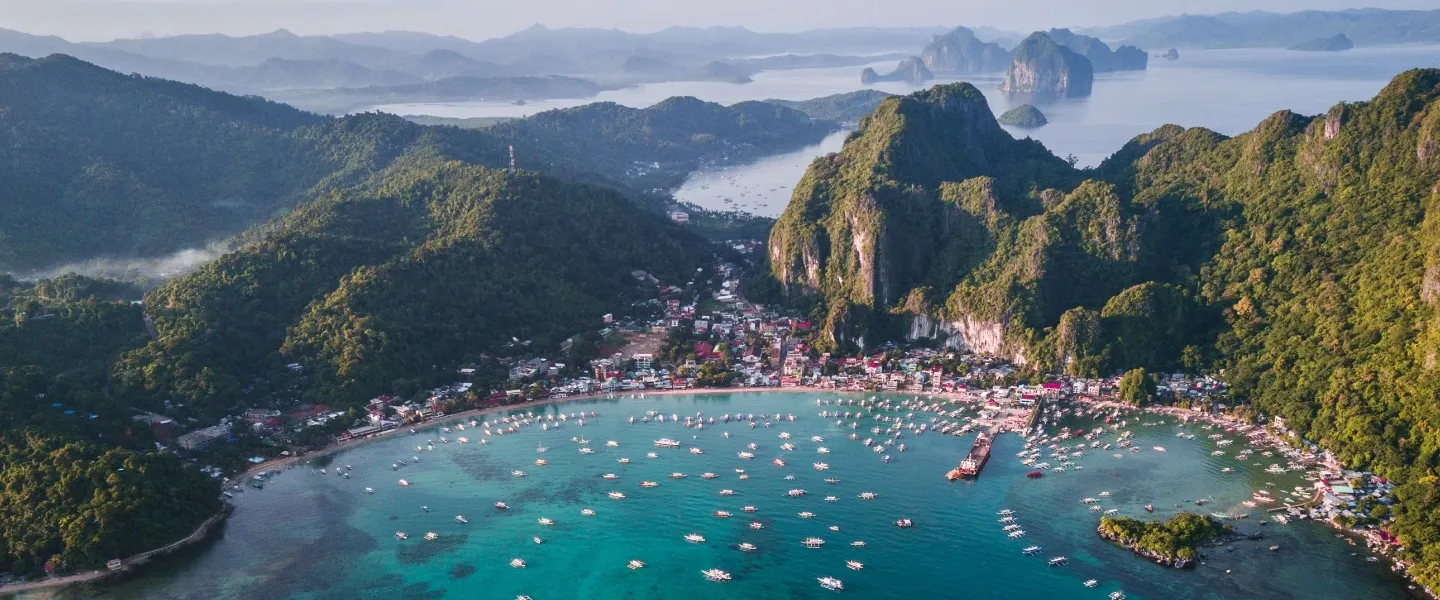
- El Nido Pricier El Nido is the lagoons-and-limestone corner of Palawan. Rent and food cost more than the mainland because everything is shipped in, and the internet is patchy. It is a place to visit more than a base.
- Cebu Mid Cebu is the second city and a real one, with cheaper rent than Manila and an airport that reaches the islands. It is the practical base in the Visayas, close to diving and beaches without living on a tiny island.
- Siargao Mid Siargao is the surf-and-nomad island, with cafes and coworking that barely existed a few years ago. Rent is reasonable and the pace is slow. The trade-off is getting there, and storms in the wet season.
- Bohol Cheaper Bohol is a cheap, green island with the Chocolate Hills and good beaches on Panglao. Rent is low and it is quieter than Cebu, a short ferry away. Expect fewer cafes and coworking spaces than the bigger spots.
- Puerto Princesa Cheaper Puerto Princesa has the lowest rents on this list and works as a cheap Palawan base. It is more a working town than a resort, and the famous spots like El Nido and Coron are a long drive or a short flight away.
Is The Philippines expensive?
No. The Philippines is cheap, close to Vietnam and Indonesia on a monthly budget. Rent, local food and a scooter cost little. What adds up is domestic flights between islands, imported goods, and resort-island prices in places like Boracay and El Nido.
On the Digital Nomad setting the national average is about $1,360 a month, a touch under Thailand and around Indonesia. Manila is what makes it expensive; Cebu and the islands bring it down. Cheap rent, easy English and the beaches are the draw. Inter-island flights and the storm season are the downside.
Sending money to The Philippines
If you earn abroad, you are converting to pesos for rent and daily spending. A weak rate plus a transfer fee can cost 3 to 5% each time. The Philippines runs on remittances, so there are many ways to send money; compare them and pick the cheapest.
Landlords usually want cash or a bank transfer, often a month or two up front. Find the cheapest way to move money before you sign a lease. Compare different providers below, then the full Philippines money guide covers ATMs, cards and GCash.
What you'll receive today


Compare Providers









Paying rent, using ATMs, tapping a card? See the full The Philippines money guide.
Thinking about the move?
Sign up for our guide on living well abroad for less.
Frequently Asked Questions
-
How much do you need per month to live in the Philippines?
About $650 a month for a basic setup, $1,360 for a digital-nomad month with a one-bed and coworking, and $2,220 for a condo-and-flights lifestyle, per person at the national average. Manila costs more; Cebu and the islands cost less. Use the calculator above for your own city and currency.
-
Is the Philippines cheaper than Thailand?
Just about. A nomad month averages around $1,360 here against $1,540 in Thailand, mostly on rent. The big difference is English: it is the default second language, which makes daily life and paperwork easier than most of the region.
-
Can you live in the Philippines on $1,000 a month?
Yes, outside Manila. In Cebu, Siargao or the cheaper islands, $1,000 covers a one-bed, local food and a scooter with room to spare. In Makati or BGC it is tight once rent is paid.
-
Where is the cheapest place to live in the Philippines?
The quieter islands and second cities. Puerto Princesa, Bohol and parts of Cebu have the lowest rents, often near $250 to $350 for a one-bed. Manila and the resort islands like Boracay and El Nido are the most expensive.
-
What costs surprise people in the Philippines?
The flights. Getting between islands means domestic flights and ferries, which adds up fast over months. After that it is imported goods, health insurance, and the storm season, when travel stalls and some months you stay put.