
Colombo Right Now
Air quality is unhealthy for sensitive groups, with moderate to poor levels of pollution expected to continue.
Guy J in Colombo · Port City Colombo, Colombo
Binara Full Moon Poya Day
Best time to visit Colombo
Good time to visit
Rain builds again ahead of the October peak, and it is a quiet month for hotels.
SCORE BY MONTH
December to March is the dry stretch and the easiest time to walk the city, and it is also when hotels fill and rates go up. May, October and November are the wettest months, when downpours flood low roads and traffic slows to a crawl. July and August sit in between, with rain most weeks but plenty of dry days.
Visitor data: RoamFX seasonal estimate
Day-to-day in Colombo
Walkability
40/100
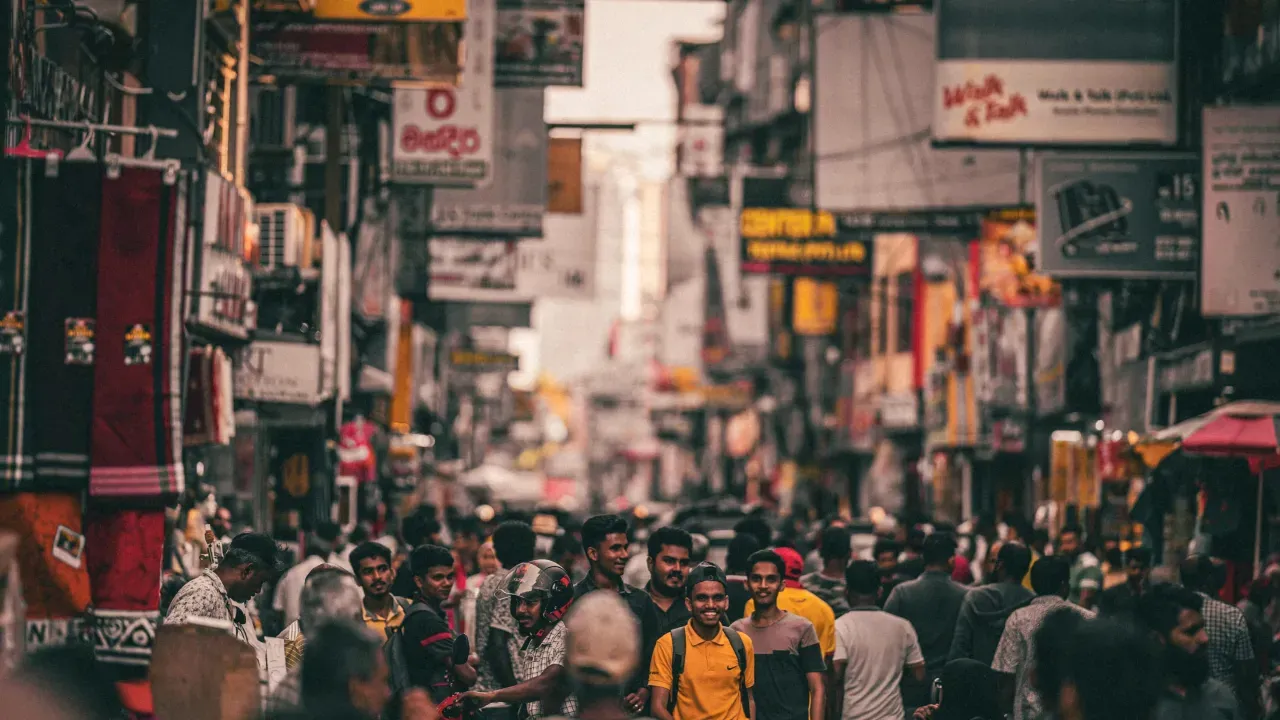
Walking in Colombo means broken sidewalks, vendors in the way and motorbikes cutting across them. Crossing Galle Road is hard work, and continuous sidewalks are rare outside Colombo 7 and the Galle Face promenade.
Sidewalks are broken or blocked by vendors, and on many streets they stop altogether.
Basic services are reachable within 15 minutes in central areas, but require more effort elsewhere.
Motorbikes ride on the sidewalk, and drivers rarely stop at pedestrian crossings.
Climate works against walking for much of the year. Plan around weather windows.
-
Monthly cost
$1,062 / month
AFFORDABLESolo mid-range stay including rent, daily eating out, groceries, and routine costs.
-
SPECIALTY COFFEE
Temple Grounds and Soul Coffee roast locally. Cafe Kumbuk in Colombo 7 brews Temple Grounds beans, and Department of Coffee, also in Colombo 7, is the other serious espresso stop.
-
Coworking
$67 / month
VERY AFFORDABLEHUB9 has two spaces, in Colombo 7 and 8, and Regus has several offices around the center. Most coworking spaces are in Fort and Colombo 3 to 7.
-
Local gym
$8 / month
VERY AFFORDABLEPower World is the biggest chain, with branches across the city, and hotel health clubs like the Shangri-La are the premium option. Most gyms sell annual memberships rather than monthly ones.
Need to Know
- Currency
- Sri Lankan Rupee (LKR)
- Language
- Sinhala and Tamil; English is widely spoken in Colombo.
- Tap water
- Not safe
- Time zone
- GMT+5:30 (SLST)
- Power plug
- Type D / G / M, 230V
- Dialing code
- +94
- Driving side
- Left
- Tipping
- Not expected at small local eateries. Restaurants in Colombo usually add a 10% service charge, and a little extra is welcome if the service was good.
- Internet
- 4G is good across Colombo, with 5G in parts of the city. Most hotels and cafes have Wi-Fi.
- Emergency
- 119 (Police), 110 (Fire and rescue), 1990 (Suwa Seriya ambulance)
When not to go
-
Expect flooded roads in the monsoon months
May – Jun · again Oct – NovHeavy downpours in May, June, October and November flood low-lying roads across Colombo, and a ten-minute tuk-tuk ride can take an hour. Walking between sights stops being practical, and trains and buses out of the city run late. If Colombo is only a stopover, pass through between December and April, or head straight out of the airport and save the city for the end of the trip.
Go here instead:
- Trincomalee The east coast is dry in May and June.
Upcoming Events & Holidays in Colombo
Upcoming events, next 30 days
Public holidays & observances, next 12 months
Dates are researched and checked, but events move. Always confirm with the official source before you book anything around them.
Getting To Colombo
Safety Advice
Traffic is the biggest everyday risk, especially crossing Galle Road. Pickpockets work Pettah and the bus and train stations, tuk-tuks without meters overcharge, and a friendly stranger announcing a temple festival today is walking you to a gem shop.
Common Scams in Colombo
-
Tuk-tuk overcharging and detours
HIGH RISKTrigger:A driver refuses the meter, quotes a flat price, or suggests an unscheduled stop at a shop or 'special event'.
Tuk-tuk drivers in Colombo often refuse to use the meter, quote inflated flat fares, or claim a 'special festival' is happening to take you to commission-paying shops. Some also take the long way round to push up the fare.
How to avoid: Book tuk-tuks on PickMe or Uber, or insist on the meter before you get in.
-
Gemstone investment scam
HIGH RISKTrigger:A stranger initiates a conversation about gems, offers a 'special deal', or suggests visiting a gem shop for an 'investment opportunity'.
A friendly local, often a tuk-tuk driver or tout, says he has a connection to a gem trader and pushes sapphires or other stones as an 'investment' you can resell at home for a big profit. The stones are often treated or worth far less than the price, and a certificate from the seller proves nothing.
How to avoid: Don't buy gems to resell. If you want a stone, buy from a licensed dealer and have it tested at the National Gem and Jewellery Authority's lab before you pay.
-
Unofficial guides and touts
MEDIUM RISKTrigger:Someone approaches you uninvited at a tourist site and starts explaining things or offers to guide you without you asking.
Men posing as official guides attach themselves to visitors around Fort and at the temples, give unasked-for history or say a site is closed, then ask for a fee or steer you to a shop or tuk-tuk that pays them commission.
How to avoid: Say no and keep walking. If you want a guide, book one through your hotel.
-
Spiked drinks and inflated bar bills
MEDIUM RISKTrigger:A new acquaintance insists on taking you to a specific bar or offers to buy you drinks, then leaves you alone with the bill.
A friendly stranger invites you to a bar, orders several rounds, then leaves before the bill arrives, and the bill is far higher than the menu prices.
How to avoid: Be cautious of strangers offering free drinks or insisting on taking you to a particular bar. Keep an eye on your drinks and never leave them unattended.
Mistakes to Avoid
-
Disrespecting Buddha statues
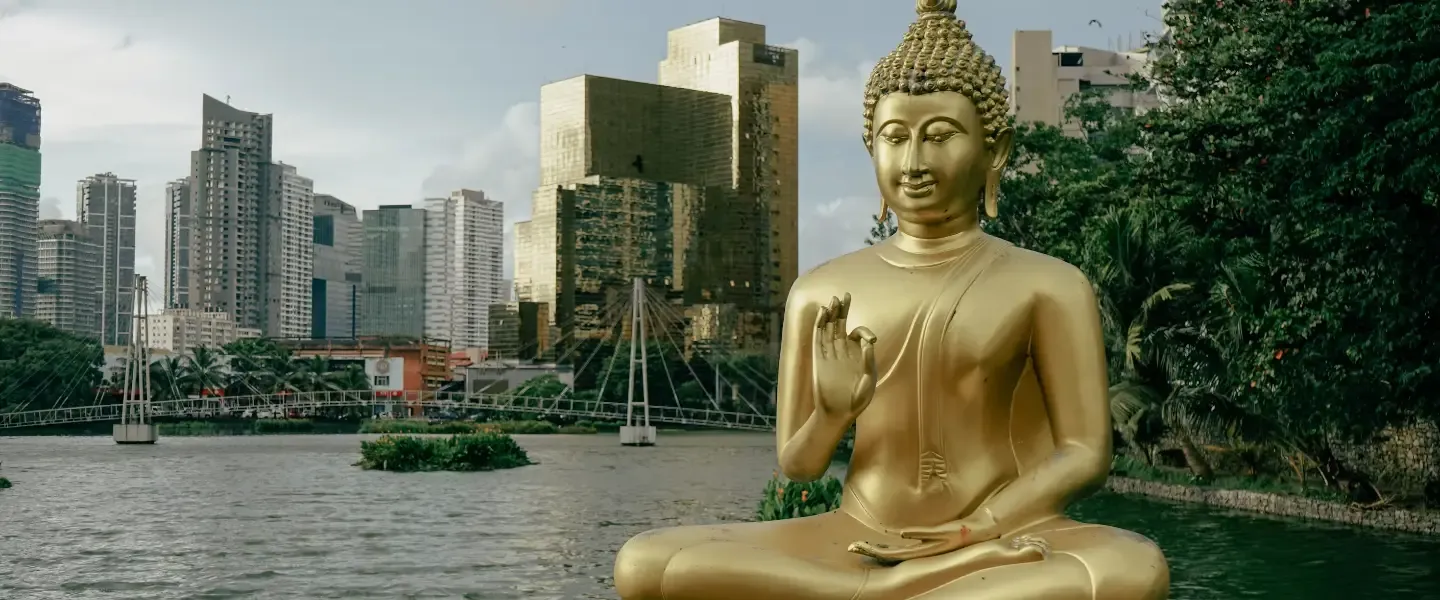
SERIOUS CONSEQUENCEPosing with your back to a Buddha statue, sitting on it, or using it as a casual photo backdrop is a criminal offense in Sri Lanka. Several tourists have been arrested and deported for this.
Fix: Don't pose with your back to a Buddha statue, and don't climb on or touch one. Take photos facing it, or skip the selfie.
-
Drinking tap water
SERIOUS CONSEQUENCEWhile some locals may drink tap water, it is not considered safe for tourists. The tropical climate and inconsistent treatment can lead to microbial contamination, causing traveler's diarrhea or other illnesses.
Fix: Stick to bottled water, or use a reliable water filter or purification tablets. Avoid ice in drinks unless you are sure it was made from purified water.
-
Public drinking and drug use
SERIOUS CONSEQUENCEDrinking alcohol in public places like streets, parks, or buses is prohibited and can result in fines. Alcohol sales are also banned on Poya (full-moon) days and other religious holidays. Sri Lanka has extremely strict drug laws, with severe penalties for possession or use of any illegal drug, including cannabis.
Fix: Consume alcohol only in licensed restaurants, bars, hotels, or private settings. Buy alcohol in advance if your stay includes a Poya day. Do not possess or use any illegal drugs.
-
Ignoring temple dress codes
Entering temples or sacred sites with uncovered shoulders or knees will get you turned away at the entrance.
Fix: Carry a light shirt or shawl to cover your shoulders and ensure your shorts or skirts fall below the knee. Remove shoes and hats before entering temple grounds.
-
Photographing sensitive sites or people without permission
Military sites, checkpoints and government security buildings are off limits for photos. People praying, and monks in particular, may not want a camera pointed at them.
Fix: Ask before photographing people, and keep your camera away from anything military.
Money & Payments
Carry cash for tuk-tuks, street food and small shops. Cards work at hotels, supermarkets and larger restaurants.
-
Cash for tuk-tuks and small shops
Street food stalls, market shops in Pettah, small eateries and tuk-tuks you flag down take cash only. Keep 100 and 500 rupee notes, since drivers often cannot break a 5,000.
-
Cards at bigger places, watch for surcharges
Visa and Mastercard work at hotels, supermarkets and larger restaurants, and Amex is taken in fewer places. Some merchants add a 2.5% to 3% card fee, which the Central Bank does not allow. Ask before you pay, and if it is added anyway, keep the receipt and report it to your card issuer.
-
ATMs all over the center
ATMs are easy to find across central Colombo. Commercial Bank, Sampath Bank, HNB and DFCC are the usual picks for foreign cards. The per-withdrawal limit depends on the bank, and DFCC allows up to 200,000 rupees.
-
ATM Fees
Most machines charge a fee on foreign cards, usually 200 to 1,000 rupees a withdrawal, and your own bank may add another. Taking out more at once keeps the total down.
-
Always Pay in LKR
When using an ATM or paying with a card, always choose to be charged in Sri Lankan Rupees (LKR), not your home currency. This avoids Dynamic Currency Conversion (DCC) fees, which often come with unfavorable exchange rates.
-
Mobile Payments
Contactless cards work at supermarkets and many cafes in Colombo 3 and 7. Local wallets like eZ Cash need a Sri Lankan phone number, so they are not much use to visitors, but Alipay+ partner wallets can pay at shops that show a LANKAQR code.
-
International Transfers
To send money to a bank account in Sri Lanka, for things like rent or day-to-day expenses, services like Wise or Remitly usually offer better rates than traditional banks and faster delivery.
You'll typically need the recipient's full name, account number, and SWIFT/BIC code. Some banks may also require a local address.
Costs in Colombo
A comfortable mid-range day is about $60 to $110, more than most of the island because city hotels cost more. Food stays cheap, but hotel restaurants and tuk-tuks without meters add up, and room rates rise from December to March.
Save money?
Sign up for our guide on how to save money on your next trip.
SIM Cards & Data
Best option for most travelers: an eSIM you set up before you arrive. You'll be online the moment you land, with no airport line and no tourist pricing.
Travel eSIMs Connect the second you land. Zero hassle. Skip the airport line and paperwork. Activate before you fly and land connected. Find the best eSIM →Prefer a local SIM?
Dialog and SLT-Mobitel have counters in the arrivals hall at Bandaranaike International Airport in Katunayake, and you register the SIM with your passport. Coverage across Colombo is good.
What Colombo is Like
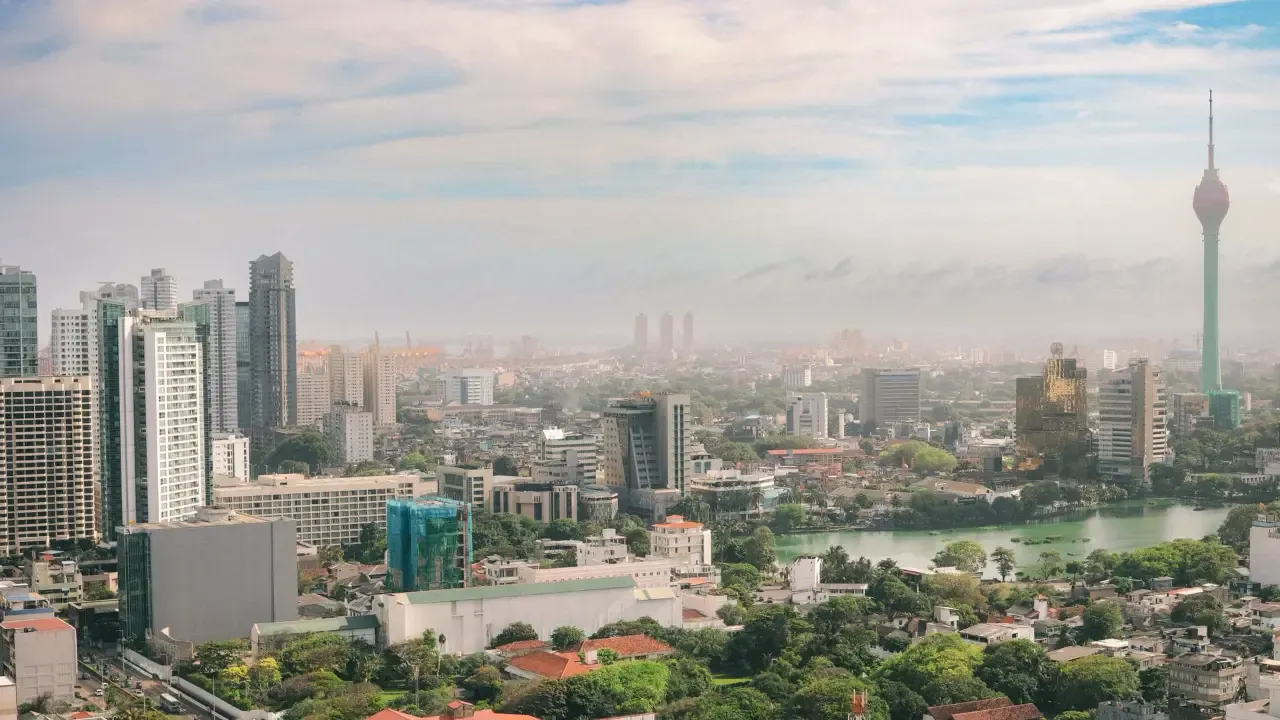
Around sunset, Galle Face Green fills with families on the grass, kids flying kites and food carts selling isso vadai (lentil fritters topped with whole prawns), with the towers of Fort behind them. Kottu roti (chopped flatbread fried with egg or meat) keeps going after dark along Galle Road, chopped on steel griddles with a metal scraper you can hear from the sidewalk. South of the green, the local trains to Mount Lavinia run along the seafront for much of the way, past fishing boats pulled up on the sand and the backs of houses facing the sea.
Pettah, the old market district next to Fort, is still sorted by trade. Keyzer Street is lined with fabric shops, the wholesalers on Fourth Cross Street stack sacks of onions and dried chilies out front, and handcart pullers push loads through traffic that barely moves. At lunch, office workers eat string hoppers and short eats (a plate of pastries and patties, and you pay for the ones you eat) in small canteens. Go in the morning, before the heat builds and the streets around the bus stands jam solid.
Cinnamon Gardens (Colombo 7), south of Beira Lake, has wide leafy roads, big walled houses, the National Museum and Viharamahadevi Park, and it is where you go when you need an hour without a bus horn in your ear. The museum is worth a morning before you head inland to Kandy, since it holds the throne and crown of the last Kandyan king.
Gangaramaya temple crams rows of Buddha statues, vintage cars and donated curiosities around a working shrine. A short walk away, the Seema Malaka (a hall for monks' ceremonies) designed by Geoffrey Bawa stands on platforms in Beira Lake.
Where to Stay in Colombo
- Commercial, dining, seafront
Kollupitiya (Colombo 3)
Colpetty, as most people call it, lines Galle Road just south of Galle Face Green, with the big hotels, embassies and Liberty Plaza mall, and the sea one block west. It has more restaurants and bars within a short tuk-tuk ride than anywhere else in the city. Galle Road traffic is loud day and night.
Good for: First-timers who want Galle Face and plenty of restaurants close by
Skip if: You want quiet nights or a cheap room
- Historic, business, port
Fort (Colombo 1)
Fort is the old colonial core and the business district, with the Old Parliament building, the restored Dutch Hospital shopping arcade and Fort railway station on its edge. It empties after office hours, and most of the evening life is inside the Dutch Hospital courtyard.
Good for: Early trains out of Fort station and short stays
Skip if: You are looking for nightlife or a quiet evening stroll
- Local life, shopping, food
Bambalapitiya (Colombo 4)
Bambalapitiya is the stretch of Galle Road with fewer tourists: Majestic City mall, fabric and electronics shops, rice and curry places and bakeries, with quiet residential lanes running down toward the sea. Rooms cost less than in Colpetty, and the coastal train stops at Bambalapitiya station.
Good for: Cheaper rooms on the same Galle Road strip
Skip if: You want a beach or a polished hotel district
- Busy, local, commercial
Wellawatte (Colombo 6)
Wellawatte is the center of Colombo's Tamil community, with sari and textile shops, South Indian vegetarian restaurants like Shanmugas on Ramakrishna Road, and small guesthouses. Galle Road here is crowded and noisy, and few foreign tourists stay.
Good for: Tamil food and a cheap everyday base
Skip if: You want quiet streets or tourist services nearby
- Coastal, zoo, local
Dehiwala
Dehiwala is a busy suburb south of Wellawatte, best known for the national zoo, the oldest in Sri Lanka. It is mostly residential and a long tuk-tuk ride from Fort in traffic, though the coastal train stops here.
Good for: Families visiting the zoo
Skip if: You want to be in the heart of Colombo's main attractions
- Beach, relaxed, seafood
Mount Lavinia
Mount Lavinia is the nearest beach to the center, about 20 minutes by train from Fort, and grew up around the old colonial Mount Lavinia Hotel. Local families crowd the sand on weekends and seafood places line the beach, but the sand is often littered.
Good for: A beach evening close to the city
Skip if: You expect a clean, quiet beach
- Upscale, green, quiet
Cinnamon Gardens (Colombo 7)
Colombo 7 is the leafy, expensive part of town: wide roads, big walled houses, embassies, the National Museum and Viharamahadevi Park. Cafes and restaurants are spread out, so you take more tuk-tuks here than in Colpetty.
Good for: A quieter base near the museum and the park
Skip if: You're on a budget or want to walk to dinner
Frequently Asked Questions
Planning & moving around
-
Which neighborhoods are best for tourists in Colombo?
Colombo 3 (Kollupitiya) and Colombo 7 (Cinnamon Gardens) are the easiest bases for a first visit. Kollupitiya puts you near Galle Face Green and the big hotels, and Cinnamon Gardens is quieter, with wider streets, the park and the National Museum. Both are central.
-
How many days should I spend in Colombo?
One full day covers Fort, Pettah, Gangaramaya temple and a sunset on Galle Face Green. A second day leaves time for the National Museum and for eating your way around Colombo 3 and 7.
-
Are there good day trips from Colombo?
Galle Fort is the best one, about two hours each way on the Southern Expressway, and the coastal train is slower but cheaper. Kandy is about three hours each way by road, so it works better as an overnight stop than a day trip. Closer in, the beach at Mount Lavinia is 20 minutes south by train.
-
Do you need a license to rent a scooter in Colombo?
Yes. A home license alone is not enough. You need a temporary Sri Lankan driving permit from the Department of Motor Traffic, or an International Driving Permit endorsed by the Automobile Association of Ceylon. Few visitors ride in Colombo itself, where traffic is heavy and tuk-tuks booked on PickMe are cheap.
-
What ride-hailing apps work in Colombo?
PickMe and Uber both work in Colombo. PickMe has more tuk-tuks, and Uber is handy for cars. Both show the fare before you book, so there is no argument about the meter.
Safety & medical
-
Is Colombo safe to walk around at night?
Galle Face Green and the main streets of Colombo 3 and 7 have people around until late. For longer trips or quiet side streets after dark, book a PickMe. Bag snatching by thieves on motorbikes is the main risk, so carry your bag on the side away from the road.
-
What are common health concerns for travelers in Colombo?
Dengue is a risk all year, so use repellent, especially around dawn and dusk. Heat and humidity wear people down faster than they expect, and upset stomachs usually come from tap water or ice. Pharmacies are everywhere, and the private hospitals (Asiri, Lanka Hospitals and Nawaloka) handle anything serious.
Laws & local norms
-
What are the drug laws in Sri Lanka?
Very strict. Possession of even a small amount, cannabis included, can mean heavy fines and prison, and trafficking carries far longer sentences.
-
Can you vape in Sri Lanka?
Treat vapes as banned. Sri Lanka prohibits importing and selling e-cigarettes, so customs can confiscate one from your bag, and you cannot legally buy refills. Leave it at home.
-
Is Sri Lanka safe for LGBTQ+ travelers?
Same-sex acts are still illegal under Sections 365 and 365A of the Penal Code, though prosecutions of foreign visitors are rare. Attitudes are conservative, and Colombo, particularly Colombo 3 and 7, is more relaxed than the rest of the country. Couples who are openly affectionate in public will draw attention.
Culture & etiquette
-
What is the dress code for visiting temples in Colombo?
When visiting Buddhist temples, both men and women must cover their shoulders and knees. Avoid sleeveless tops, tank tops, shorts, and short skirts. It is also customary to remove shoes and hats before entering temple grounds.
-
What is the etiquette for taking photos at religious sites?
Never pose for a photograph with your back to a Buddha statue, as this is considered deeply disrespectful and can lead to legal trouble. Avoid touching statues and remember that temples are places of worship, so keep noise to a minimum.
Food & drink
-
Where do locals eat in Colombo?
Around Pettah, small canteens serve rice and curry and short eats (pastries and patties you pay for by the piece) at lunch. Wellawatte has South Indian vegetarian places like Shanmugas on Ramakrishna Road. In the evening, the food carts on Galle Face Green sell fried seafood snacks.
-
What Sri Lankan dishes should I try?
Kottu roti (chopped flatbread fried with vegetables and egg or meat) is the late-night staple, and hoppers (bowl-shaped rice pancakes) are an evening dish. At lunch, rice and curry comes with dhal, polos (young jackfruit curry) and mallum (shredded greens with coconut).
-
Is Colombo good for vegetarians and vegans?
Very good. Most rice and curry spreads are mostly vegetables, Wellawatte is full of South Indian vegetarian restaurants, and The Commons on Flower Road in Colombo 7 has a long meat-free menu.
Families & kids
-
Is Colombo good for families with kids?
Colombo offers a mix of activities for families. Viharamahadevi Park has playgrounds and open spaces, and Galle Face Green is popular for evening strolls and street food. The city can be noisy and chaotic, so plan activities around traffic and heat.
-
Is Colombo stroller-friendly?
Colombo is moderately stroller-friendly. Areas like Galle Face Green, Viharamahadevi Park, and new shopping malls have good facilities. However, sidewalks can be uneven and traffic is intense. Consider a baby carrier for some areas.
After dark
-
What is the nightlife like in Colombo?
Colombo has the most nightlife in Sri Lanka, which is not saying much. Rooftop bars like ON14 at the Radisson on Clifford Place and the hotel bars around Galle Face are where most evenings start, and Barefoot Garden Cafe on Galle Road in Colombo 3 has live jazz at Sunday lunch. Alcohol sales stop on Poya days (the monthly full-moon holiday).
-
What is the dating scene like in Colombo for foreigners?
Tinder and Bumble have the most users, nearly all of them in Colombo. Sri Lanka is conservative about public affection, so keep dates low-key in public.